
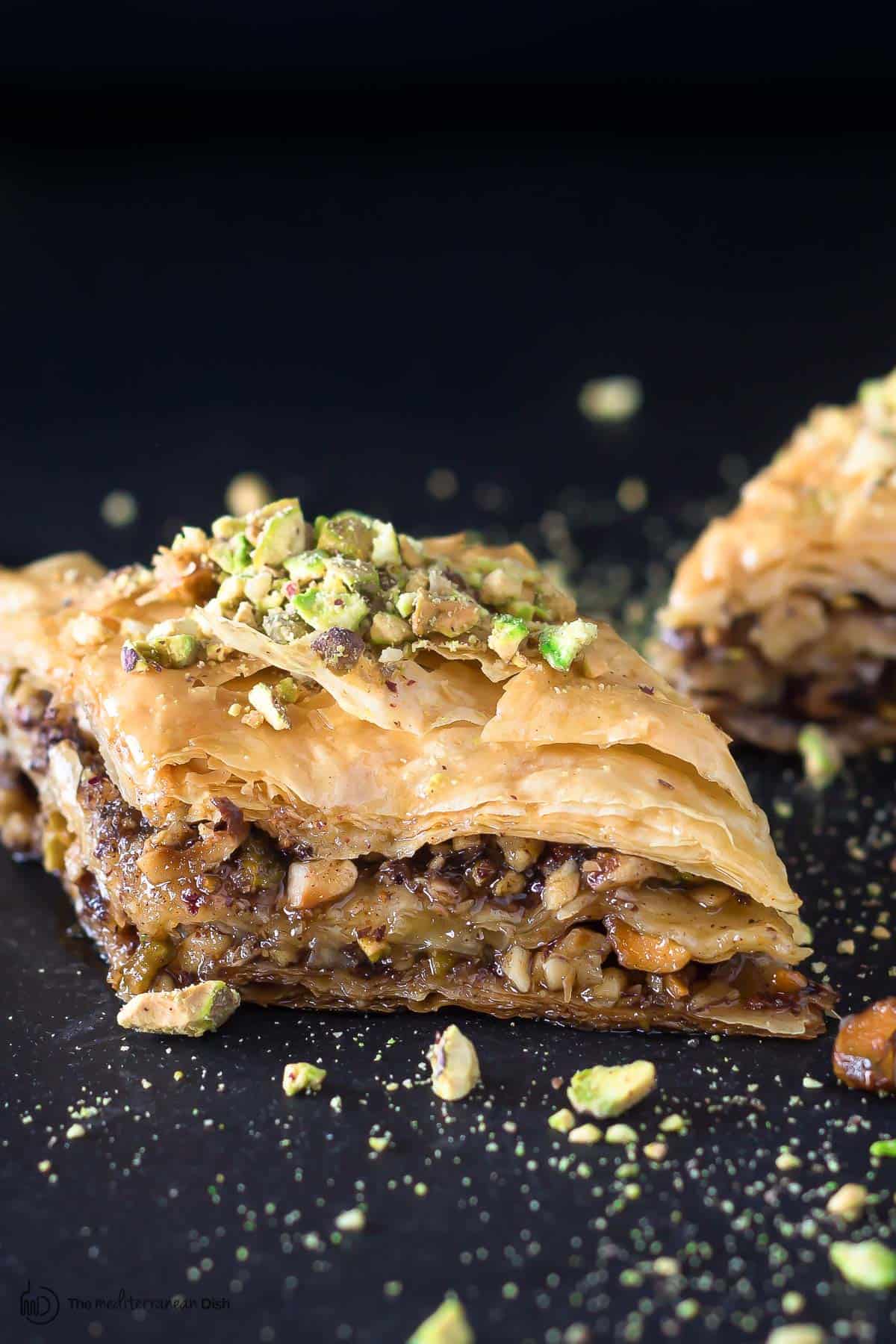
My family’s baklava recipe layers crisp, buttery phyllo pastry with pistachios, walnuts, and hazelnuts, then finishes with honey syrup—a make-ahead dessert that’s even better the next day.
My Family’s Honey Baklava Recipe
When you grow up eating baklava at every gathering, you become a bit of a baklava snob—at least I did. To me, nothing rivals homemade baklava: crisp, flaky pastry, a crunchy nut filling, and honey syrup tucked into the layers.
My recipe leans toward Greek baklava, with cinnamon and honey, but I give it my own Egyptian twist with a generous mixture of pistachios, walnuts, and hazelnuts. A little ground clove adds another layer of warm spice.
If you’ve never worked with phyllo—the paper-thin pastry sheets that give baklava its flaky layers—the assembly may look intimidating. You’ll brush the sheets with melted butter and build three sections of pastry with two layers of nuts between them. Take it one sheet at a time, and keep the remaining pastry covered while you work.
The recipe lists about 30 minutes of preparation and 40 minutes of baking, but allow extra time to thaw the phyllo beforehand and let the finished baklava rest. It needs at least an hour after you add the syrup, preferably several hours. I like to make it the night before serving so the layers have plenty of time to absorb the honey syrup.
What is Baklava?
Baklava is a sweet pastry made with layers of thin phyllo dough and chopped nuts. After baking, syrup is poured over the pastry and allowed to soak into the layers.
You’ll find different versions across the Mediterranean and Middle East. Turkish pistachio baklava typically uses a sugar syrup made with water and lemon juice, while Greek versions often feature walnuts, cinnamon, and honey. Some Middle Eastern versions perfume the syrup with rosewater.
This honey baklava brings together three nuts rather than just one. I love that combination and the texture it gives the filling, but you can use walnuts or pistachios instead. Keep the total amount of nuts the same.
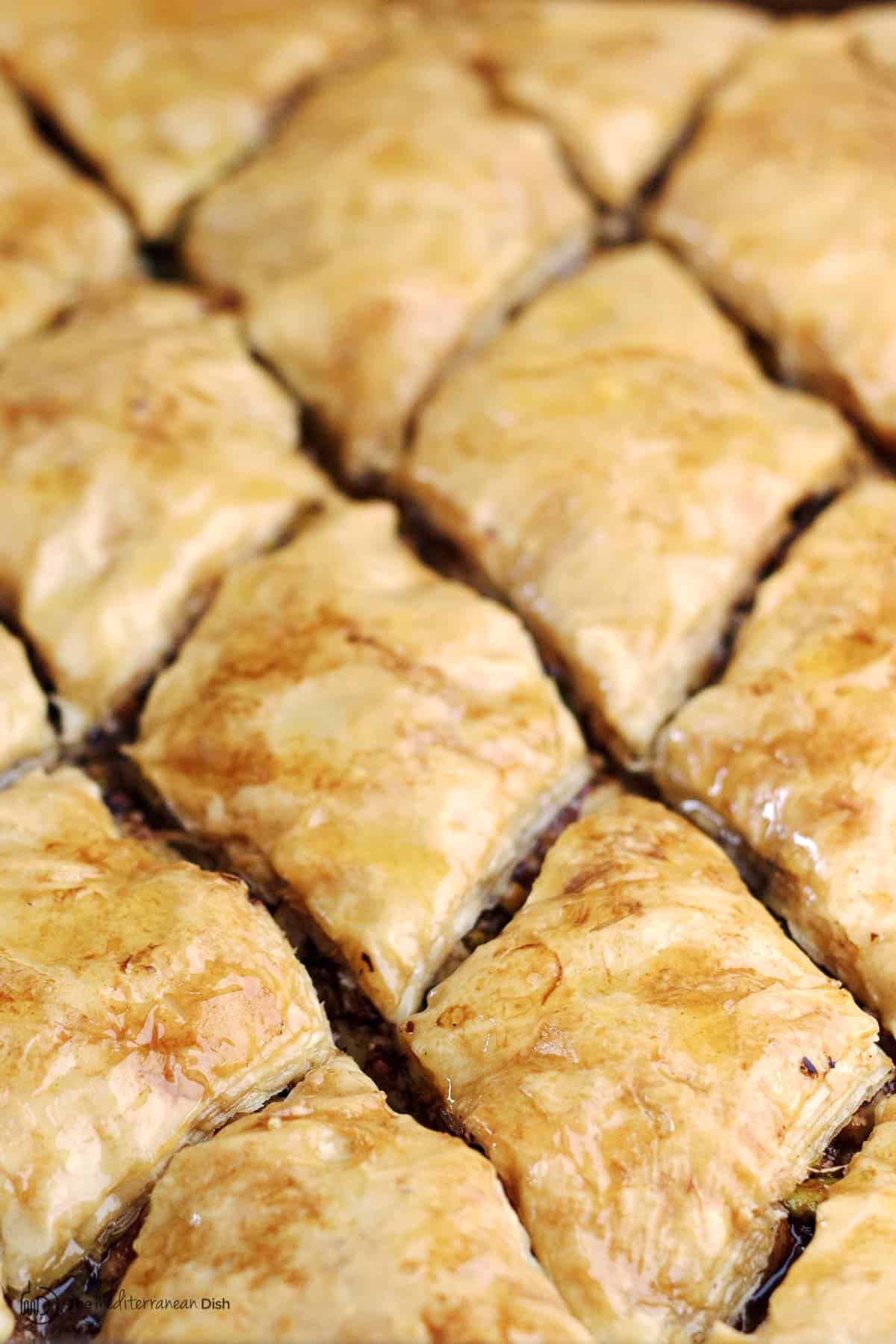
Baklava Ingredients
It helps to think of this recipe in three parts: the buttered phyllo layers, the spiced nut filling, and the honey syrup.
For the Pastry Layers
- Phyllo dough: You’ll need one 16-ounce package, thawed according to the package instructions. Look for it in the freezer section near the pie crusts. Keep the sheets covered between two clean kitchen towels during assembly so they don’t dry out and become brittle.
- Unsalted butter: Melted butter is brushed onto the pan and each sheet of phyllo. It gives the pastry its buttery flavor and helps build the crisp layers. Have it melted and ready before you uncover the dough.
For the Nut Filling
- Pistachios, walnuts, and hazelnuts: My mixture uses 6 ounces of each. Chop them small enough to distribute evenly, but stop before they become a powder or paste. You want to taste the nuts and enjoy their texture in every bite.
- Sugar: A little sugar sweetens the filling alongside the honey syrup.
- Ground cinnamon: This gives the nut mixture its warm, familiar flavor. The recipe allows 1 to 2 tablespoons; start with the smaller amount if you’re unsure how much you like.
- Ground cloves: A large pinch adds a deeper spice note alongside the cinnamon.
For the Honey Syrup
- Honey: Honey gives this syrup its distinctive flavor. You can browse the Mediterranean honeys in our shop.
- Sugar and water: These form the syrup’s base. Dissolve the sugar in the water before adding the honey and bringing the mixture to a boil.
- Lemon juice: Added after the syrup has cooled to lukewarm, lemon juice brings a citrus note to the honey mixture.
- Orange extract: This is optional, but it adds orange flavor to the syrup.
- Whole cloves: These perfume the syrup as it simmers and are removed afterward. If you like, you can omit them.
How to Make Baklava: Step-by-Step
Start by thawing your phyllo dough in its unopened package in the refrigerator overnight, following the package instructions. Take it out of the refrigerator 1 hour before you begin.
Have your nuts chopped and butter melted before you uncover the pastry. Once you start layering, keeping the unused phyllo covered will make it much easier to handle.
Make the Honey Syrup and Nut Filling
- Heat the oven. Preheat your oven to 350°F.
- Make the honey syrup. In a saucepan, combine ¾ cup sugar and 1 cup cold water. Heat, stirring occasionally, until the sugar dissolves. Add 1 cup honey, 1 tablespoon orange extract if using, and 5 whole cloves if using. Stir, bring to a boil, then lower the heat and simmer for about 25 minutes.
- Cool the syrup. Remove the saucepan from the heat and let the syrup cool to lukewarm. Add the juice of 1 lemon and remove the whole cloves. Set aside to cool completely while you assemble the baklava. The syrup should be cool when you pour it over the hot pastry.
- Prepare the filling. Add 6 ounces each of shelled pistachios, walnuts, and hazelnuts to a food processor fitted with a blade. Pulse a few times until chopped, keeping some texture rather than grinding them into powder. Transfer to a mixing bowl and stir in ¼ cup sugar, 1 to 2 tablespoons ground cinnamon, and a large pinch of ground cloves.
Layer the Phyllo and Nuts
Brush the bottom and sides of a 9 x 13 x 2-inch baking pan with some of the melted butter. Carefully unroll the thawed phyllo and keep the sheets between two clean kitchen towels, uncovering only what you need as you work.
For this pan, I typically fold each phyllo sheet in half to fit. Depending on the size of your sheets, you can also trim them with kitchen shears.
You’ll use the full 16-ounce package in three sections, with half the nut filling between each section:
- Build the bottom pastry layer. Place one sheet of phyllo in the pan, folding or trimming it to fit. Brush the top with melted butter. Continue adding and buttering each sheet until you have used about one-third of the phyllo.
- Add the first nut layer. Distribute half the nut mixture evenly over the pastry.
- Build the middle pastry layer. Add another third of the phyllo, brushing each sheet with butter.
- Add the remaining nuts. Spread the other half of the nut mixture evenly over the pastry.
- Finish with phyllo. Add the remaining third of the pastry, buttering each sheet as before. Brush the very top sheet with butter.
Phyllo sheet sizes and counts vary by brand, so divide your package into thirds rather than relying on a fixed number of sheets.
Cut and Bake
- Mark the pieces before baking. With a sharp knife, cut the assembled pastry into diamond-shaped pieces about ½ inch deep. Aim for 24 pieces, or up to 36 smaller pieces. Watch the video below for a closer look at how I cut mine.
- Bake until golden. Place the pan on the middle rack of your heated oven and bake for 35 to 45 minutes, until the top turns golden. Check halfway through baking, since ovens vary.
Add the Syrup and Let the Baklava Rest
- Pour cooled syrup over hot baklava. As soon as the pan comes out of the oven, pour the cooled honey syrup evenly over the pastry.
- Let it cool completely. Leave the baklava for several hours if possible, or at least 1 hour, so the phyllo layers can absorb the syrup. This is a good dessert to make the night before serving.
- Finish cutting and serve. Cut all the way through the pieces you marked before baking. Garnish with chopped pistachios, if you like.
Tips for Crispy, Flaky Baklava
- Thaw the phyllo in its package. Follow the package directions and allow an overnight thaw in the refrigerator. Too much moisture can make the sheets sticky and difficult to separate. The recipe also calls for taking the package out of the refrigerator 1 hour before assembly.
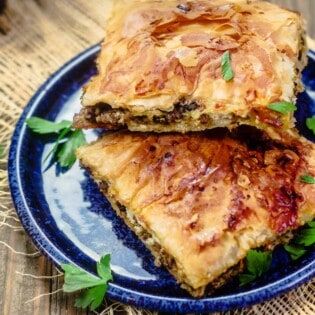
- Keep the unused sheets covered. Paper-thin phyllo becomes brittle as it dries out. Keep it between two clean kitchen towels and uncover it only to remove the next sheet. I use the same approach when making spanakopita, my Greek spinach pie.
- Keep some texture in the nut filling. I use pistachios, walnuts, and hazelnuts because I love a generous, nutty filling. Pulse them into small pieces that distribute evenly between the pastry layers, stopping before they become powder or paste. Large chunks make the baklava harder to bite through, but grinding too finely loses the crunch.
- Make the syrup first. It needs time to cool before the baklava comes out of the oven. To save time, you can begin assembling the pastry while the syrup simmers.
- Cut before baking, then finish cutting after resting. Marking the pieces while the pastry is still soft helps you avoid crushing the crisp top layers later. Once the baklava has absorbed its syrup and cooled, follow those cuts all the way through.
- Give it time to rest. Don’t rush to serve it straight from the oven. The layers need time to absorb the syrup, and the baklava is even better the next day. Cool it completely before covering.
How to Keep Baklava from Getting Soggy
For this recipe, pour cooled honey syrup over the baklava as soon as it comes out of the oven. That hot-pastry, cool-syrup combination helps the layers absorb the syrup while keeping their crisp texture.
Make the syrup before assembling the pastry so it has time to cool. Then distribute it evenly over the hot baklava and leave the pan to cool completely before covering or storing.
What to Serve with Baklava
Serve the baklava once it has cooled and the syrup has had time to settle into the layers. A sprinkle of chopped pistachios is all it needs.
For an afternoon treat or the end of a meal, pair it with Arabic tea with fresh mint. The warm tea and crisp, honey-soaked pastry make a lovely combination to share around the table.
If you enjoy working with phyllo, try my apple strudel with phyllo dough for another pastry dessert. For the same honey-and-nut flavors in a different form, make a baklava ice cream sundae.
Make Ahead, Storage, and Freezing
Make ahead: Prepare the baklava the night before serving. It tastes even better the next day, once the pastry has had more time to absorb the honey syrup. Let it cool completely before covering.
Store: Keep cooled baklava in an airtight glass container at room temperature or in the refrigerator for up to 2 weeks. Room-temperature storage preserves the crisp texture better. Personally, I move any leftovers to the refrigerator after a few days.
Freeze: Freeze baked, completely cooled baklava for up to 4 months. Divide it into smaller batches so you can thaw only what you need.
Thaw: Thaw frozen baklava overnight in the refrigerator or for a few hours at room temperature before serving.
More Phyllo Recipes to Try
Baklava Recipe
Add As A Trusted Google Source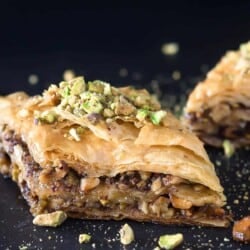
Ingredients
For the Baklava and Nut Filling
- 6 ounces shelled pistachios, coarsely chopped
- 6 ounces walnuts, coarsely chopped
- 6 ounces hazelnuts, coarsely chopped
- 1/4 cup sugar
- 1 to 2 tablespoons ground cinnamon, start with less if you’re not sure
- Large pinch of ground cloves
- 1 (16-ounce) package phyllo dough, thawed
- 1 1/2 to 2 sticks of unsalted butter, (12 to 16 tablespoons), melted
For the Honey Syrup
- 3/4 cup sugar
- 1 cup cold water
- 1 cup honey
- 1 tablespoon orange extract, optional
- 5 whole cloves, optional
- 1 lemon, juiced
Instructions
- Preheat the oven. Heat the oven to 350°F.
- Make the honey syrup. Combine the sugar and water in a saucepan. Heat, stirring occasionally, until the sugar dissolves. Add the honey, orange extract if using, and whole cloves if using. Stir to combine, bring to a boil, then lower the heat and simmer for about 25 minutes. Remove from the heat and let cool to lukewarm. Add the lemon juice and remove the whole cloves. Set aside to cool completely while you assemble the baklava. The syrup should be cool when you pour it over the hot pastry.
- Prepare the nut filling. Place the pistachios, walnuts, and hazelnuts in a food processor fitted with a blade. Pulse a few times until chopped, without grinding them into a powder or paste. Transfer to a large mixing bowl and stir in the sugar, cinnamon, and ground cloves.
- Prepare the phyllo and pan. Carefully unroll the thawed phyllo and keep the sheets between two clean kitchen towels while you work. Brush the bottom and sides of a 9 x 13 x 2-inch baking pan with some of the melted butter.
- Build the bottom pastry layer. Place one sheet of phyllo in the pan, folding it in half or trimming it with kitchen shears as needed to fit. Brush the top with melted butter. Repeat, adding and buttering each sheet, until you have used about one-third of the phyllo.
- Add the first nut layer. Distribute half the nut filling evenly over the pastry.
- Build the middle layers. Add another third of the phyllo, one sheet at a time, brushing each sheet with melted butter. Spread the remaining half of the nut filling evenly over the pastry.
- Finish with phyllo. Add the remaining third of the phyllo, brushing each sheet with melted butter. Brush the very top sheet with butter.
- Cut before baking. Using a sharp knife, cut the pastry into 24 diamond-shaped pieces about ½ inch deep. You can cut up to 36 smaller pieces if you prefer.
- Bake until golden. Place the pan on the middle rack of the oven and bake for 35 to 45 minutes, until the top turns golden. Check halfway through baking, since ovens vary.
- Add the syrup. As soon as you remove the baklava from the oven, pour the cooled honey syrup evenly over the hot pastry.
- Cool and serve. Let the baklava cool completely and rest for several hours if possible, or at least 1 hour, to absorb the syrup. Cut all the way through the pieces you marked before baking. Garnish with chopped pistachios, if you like, and serve.
Video
Notes
- Plan ahead: Thaw the unopened phyllo package overnight in the refrigerator, following the package instructions. Take it out of the refrigerator 1 hour before starting. The listed total time excludes thawing and the resting period after baking.
- Save time: Begin assembling the baklava while the syrup simmers. Keep unused phyllo covered between two clean kitchen towels as you work.
- Phyllo sheets: Use the full 16-ounce package, dividing it into three sections. Sheet sizes and counts vary by brand, so use thirds of the package rather than a fixed sheet count.
- Nut variations: You can use just walnuts or pistachios, or adjust the combination of nuts, keeping the total at 18 ounces. You can also omit cinnamon if you like.
- Make ahead: Baklava is even better the next day, after the layers have had time to absorb the syrup. Cool completely before covering.
- Storage: Store completely cooled baklava in an airtight glass container at room temperature or in the refrigerator for up to 2 weeks. Room-temperature storage preserves the crisp texture better; I usually refrigerate leftovers after a few days.
- Freezing: Freeze baked, completely cooled baklava for up to 4 months. Freeze in small batches so you can thaw only what you need. Thaw overnight in the refrigerator or for a few hours at room temperature.
- Shop this recipe: Visit The Mediterranean Dish shop for quality Mediterranean ingredients, including the honey used in this recipe.
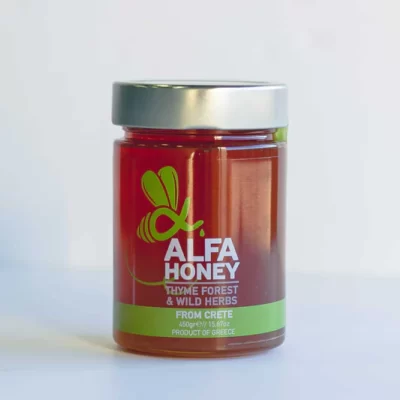
Try Our Authentic Greek Honey!
This award-winning honey from the Fragiadakis family in Crete is sustainably harvested from the island’s bio-diverse mountains, where bees feast on wild aromatic herbs.
This post first appeared on The Mediterranean Dish in 2014 and has been recently updated with new media and information for readers’ benefit. Enjoy!

It Looks “YUMMY” hope mine will be just as nice Hold thumbs for me Ria Olivier
This is a fabulous Baklava recipe. Yes, baklava takes time but this recipe is well written and easy to follow. I used a good quality honey from the hills of Currumbin, Queensland. It looks and tastes stupendous! Thank you 🙏
Thank you so much for the great review, Judy!
This is such an amazing recipe. I made it three times so far and it has been a hit every single time. This is a holiday staple in our house now. Thank you so much for sharing.
That’s wonderful to hear! Thanks, Rajani!
This works better if you establish a few sheets for the base, then do just a few tablespoons of nuts every two or three sheets, rather than the big layers of nuts, topping with 3 or 4 sheets of phyllo. It holds together much better and is very little more work. Otherwise, I don’t like cloves but do everything else as in this recipe! A family favorite.
I have put off making Baklava for years.
I made it today and was amazed at how easy it is and yummy! I’ll definitely make it again and again.
I’m so glad this was successful for you, Pamela! Yay!
I have made this a couple times once with the orange extract, once without. It is better with. I also use the Wonderful brand sweet cinnamon pistachios along with walnuts and hazelnuts. My family asks me to make it all the time. Excellent recipe! Thank you for sharing.
This recipe looks fabulous! Is there any way you can alter it to exclude refined sugar and rely solely on honey?
Hi, Audrey. That may be possible, but it’s not something we’ve tested ourselves. If you decide to give it a try, please stop back and share your thoughts. We’d love to know how it worked out for you!
Love all the details but 1-2 questions: 1 the package comes with 2 sleeves of do you use both rolls. You said use a 1/3 before adding nuts. How many sheets approx is a 1/3. I used both sleeves seems too much.
Hi, Margaret. You’ll want to use 1 lb. of phyllo for this recipe. The number of sheets in a package can really depend on the brand you are using. Typically, though, it’s around 20 sheets. In that case, 1/3 the package would be 6-7 sheets
Hi! I am excited to try this recipe. I know Suzy said it is best made the night before, but how long does this last, and after day 1 does it get worse? (The best time for me to make in advance is 2 days before my dinner party)
Hi, Clara. It should be fine for 2 days if stored properly. Please see the section of the post titled “How to store baklava?” for some great suggestions. Enjoy!
This is the best recipe. I.havebused it numerous times & each time the baklavas were fabulous. Thank you !
Excellent recipe. I felt like I was “adulting” 🙂 when making it. As I have always been intimidated about tackling a Baklava recipe. Between your very detailed instructions and the video, there was no way to fail. As a bonus, the house smelled so good while the baklava was baking.
1 Tbsp of orange flavoring really gave the recipe a nice citrus scent. Thank you so much for sharing this recipe.