Easy Homemade Spaghetti Sauce Recipe

This post may contain affiliate links. Please read our disclosure policy.
My family’s homemade spaghetti sauce starts with one can of crushed tomatoes and finely grated carrots for sweetness and body. With garlic, fresh herbs, and a short simmer, it’s ready in about 35 minutes.
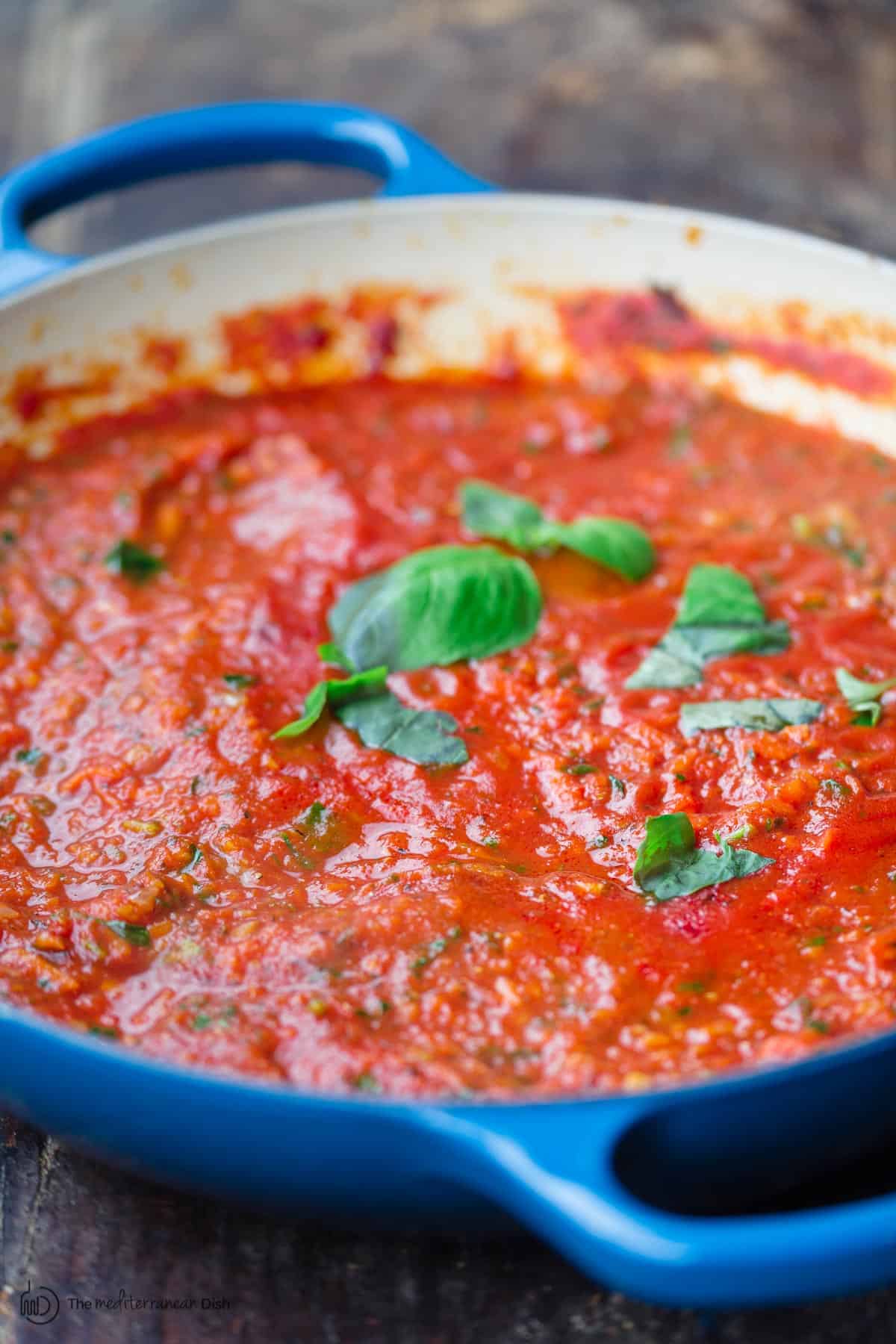
My Any-Time Homemade Spaghetti Sauce
I call this my any-time spaghetti sauce. It’s easy. Unfussy. You can make it any night of the week, starting with one can of crushed tomatoes. I’ve found that crushed tomatoes give me just the right consistency without combining several different kinds of canned tomatoes.
The carrots are my little secret for sweetness and body. I finely grate them so their small pieces blend into the sauce. I’ve tried both a grater and a small food processor, and I prefer the results with the food processor. Whichever you use, pay attention to the size: you want finely grated carrots rather than long, coarse shreds.
The sauce takes about 35 minutes, including prep. When serving it with pasta, allow another 5 minutes to cook the two together. That little finishing step gives the pasta time to absorb some of the sauce’s flavor.
I make this sauce meatless most often because it’s so versatile. Toss it with spaghetti for dinner, with some garlic bread alongside to catch the sauce, or use it in your favorite baked pasta.
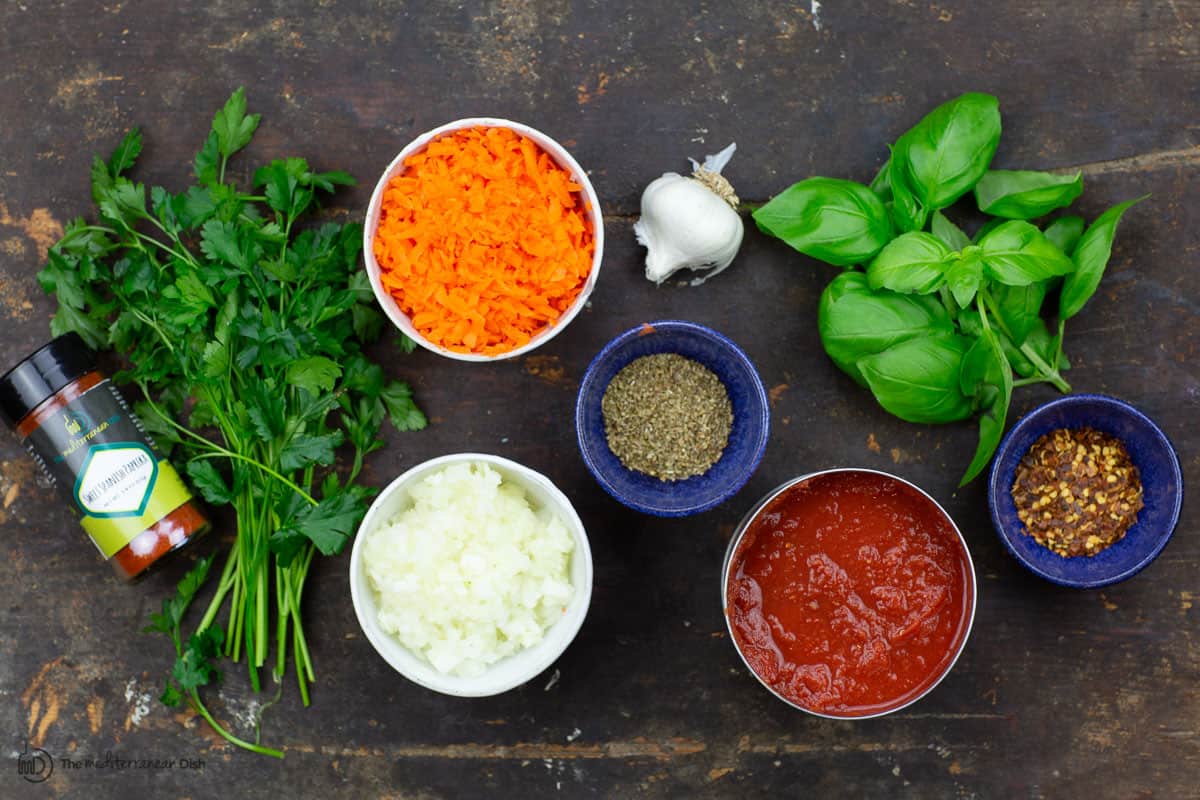
What You Need to Make Homemade Spaghetti Sauce
Crushed tomatoes provide the base, but the vegetables, olive oil, and herbs all contribute to the flavor. Here’s what to look for and how to prepare them:
- Extra virgin olive oil: The vegetables soften in olive oil to build the sauce’s flavorful base. I use Private Reserve Greek extra virgin olive oil.
- Yellow onion and garlic: Grate the onion and finely mince the garlic so you don’t have large pieces throughout the sauce. Give them time to soften with the carrots before adding the tomatoes.
- Carrots: Finely grate 2 carrots using a grater or small food processor. Their sweetness balances the tomatoes’ tart flavor, and the small pieces give the sauce body. Pay attention to the size here; you want finely grated carrots rather than coarse shreds.
- Canned crushed tomatoes: One 28-ounce can is all you need. I like the consistency of crushed tomatoes for a thick sauce with some texture.
- Water: Start with ½ cup to loosen the tomatoes. Pasta cooking water is my preference when I have it ready, but plain water works too. Keep a little more nearby so you can adjust the consistency as the sauce simmers.
- Dried oregano and sweet paprika: Dried oregano brings a savory, herbal flavor, while sweet Spanish paprika adds mild pepper sweetness. Choose sweet paprika here; smoked paprika would give the sauce a different flavor.
- Red pepper flakes: An optional pinch adds a little heat.
- Fresh basil and parsley: Use about ½ cup packed of each, tearing the basil and chopping the parsley. They cook with the tomatoes, and you can finish with a little more basil if you like.
- Kosher salt and black pepper: Season the sauce when you add the tomatoes.
How to Make Spaghetti Sauce
Use a large pan or braiser with a lid. The vegetables cook first, followed by a brief boil and a gentle, covered simmer.
- Prepare the vegetables and herbs. Grate 1 medium yellow onion, finely mince 3 garlic cloves, and finely grate 2 carrots. Tear about ½ cup packed fresh basil leaves and chop about ½ cup packed fresh parsley.
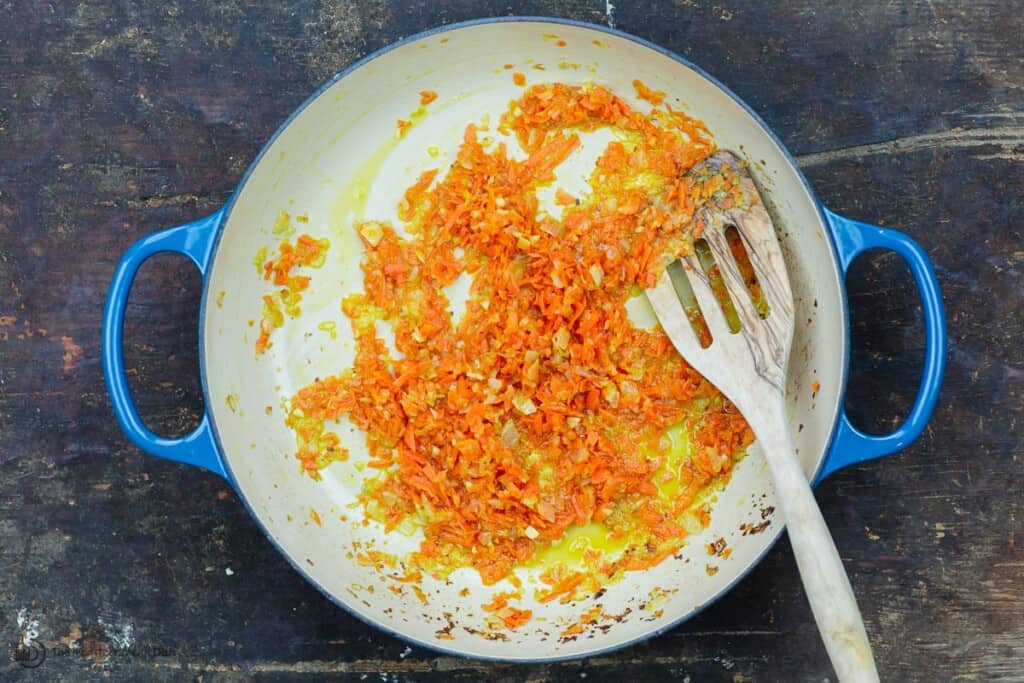
- Soften the vegetables. In your pan, heat ¼ cup extra virgin olive oil over medium heat until just shimmering. Add the onion, garlic, and carrots. Cook, stirring regularly, for about 5 minutes, until softened. Check the vegetables before moving on; they should be soft rather than still firm.
- Add the tomatoes and seasonings. Stir in one 28-ounce can of crushed tomatoes and about ½ cup water, using pasta cooking water if you have it ready. Add a generous pinch of kosher salt and black pepper, 1 tablespoon dried oregano, 1 teaspoon sweet Spanish paprika, and a pinch of red pepper flakes, if using. Stir in the basil and parsley.
- Simmer the sauce. Bring to a boil, then reduce the heat to low. Cover and simmer for 15 to 20 minutes. Check partway through and give the sauce a stir. If it looks too thick, add a little more water or pasta cooking water, just enough to loosen it. Finish with more fresh basil, if you like.
- Finish and serve. To serve with pasta, add ¾ to 1 pound of cooked pasta to the sauce and mix well. Cook together over low heat for about 5 minutes, allowing the pasta to absorb the flavor of the sauce, then serve.

My Tips for Thick, Flavorful Spaghetti Sauce
A meatless sauce can have plenty of body. The vegetables, the tomatoes, and how much water you add all make a difference.
- Keep the vegetables fine. Grate the onion and finely grate the carrots so their texture blends into the sauce. Larger pieces will leave you with a chunkier result and may still be firm after the initial sauté. Before adding the tomatoes, check that the vegetables have softened rather than relying only on the clock.
- Adjust the water as the sauce simmers. I start with ½ cup, then check the sauce partway through cooking. If it has become too thick, I stir in a little more water and check the consistency before adding another splash. Pasta cooking water is my preference when I have it ready. The goal is to loosen the sauce while keeping the body from the crushed tomatoes and grated carrots.
- Give the sauce its simmer. Bring the tomatoes to a boil, then lower the heat and let them simmer gently. If I’m not in a hurry, I sometimes give the sauce a few extra minutes, watching the consistency and adding a little liquid if needed. I also occasionally add a couple tablespoons of tomato paste for extra body, though the crushed tomatoes and grated carrots usually give me the thickness I want.
- Finish the pasta in the sauce. Allow about 5 minutes for the cooked pasta and sauce to cook together over low heat. Toss well so the sauce coats the pasta and has a chance to flavor it before you bring it to the table.
Want to Add Meat?
I make this sauce meatless most often, but you can easily turn it into a hearty spaghetti meat sauce. Use 1 pound of ground beef, ground turkey, or ground Italian sausage, and allow extra time to cook the meat before starting the vegetables.
- Brown the meat. Heat a little extra virgin olive oil in your large pan over medium heat. Add the meat and cook, breaking it up and stirring regularly, until browned and cooked through. Ground beef or pork sausage should reach 160°F; ground turkey should reach 165°F. Drain and transfer to a plate.
- Cook the vegetables. In the same pan, add a little olive oil and cook the grated onion, minced garlic, and finely grated carrots for about 5 minutes, stirring regularly, until softened.
- Combine and simmer. Return the meat to the pan and stir to combine. Add the tomatoes, water, seasonings, and herbs as directed above. Bring to a boil, then reduce the heat, cover, and simmer for 15 to 20 minutes. Check occasionally, adding a little water if the sauce becomes too thick.

What to Serve With Spaghetti Sauce
For a simple pasta dinner, add a crisp lemon Parmesan lettuce salad alongside. Its lemony dressing and crunchy leaves are a lovely complement to the warm tomato sauce.
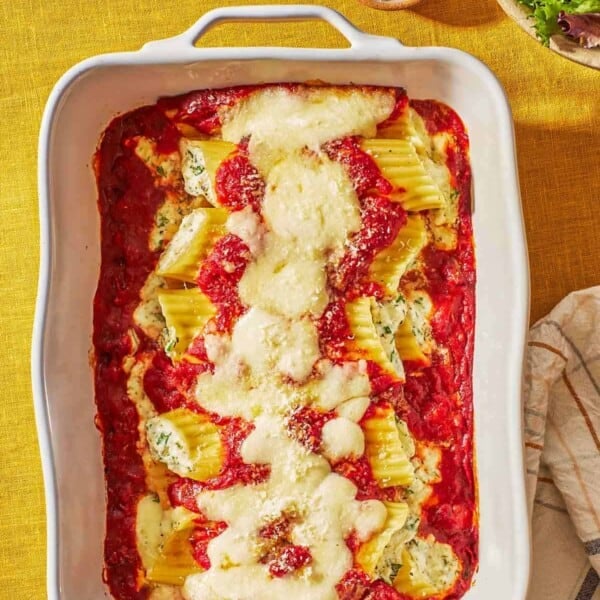
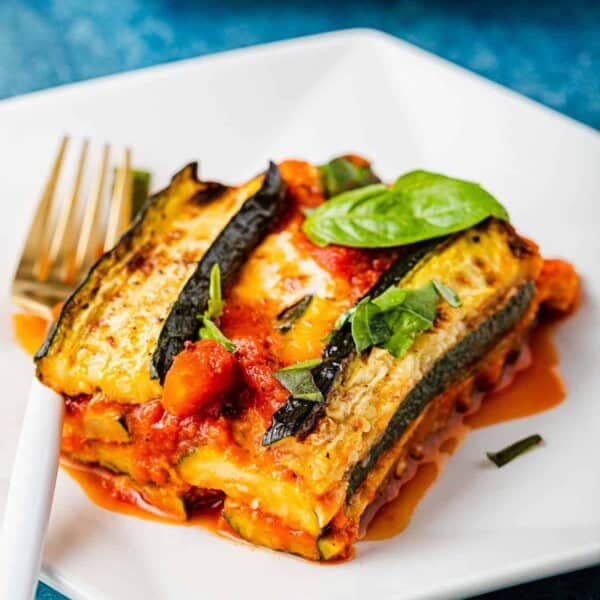
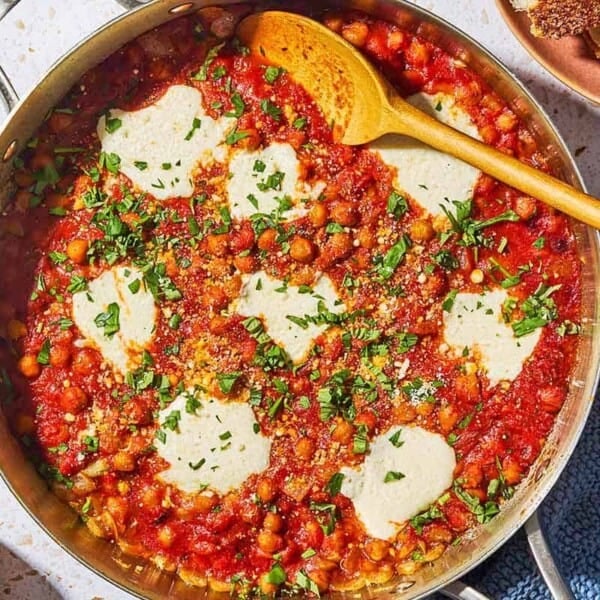
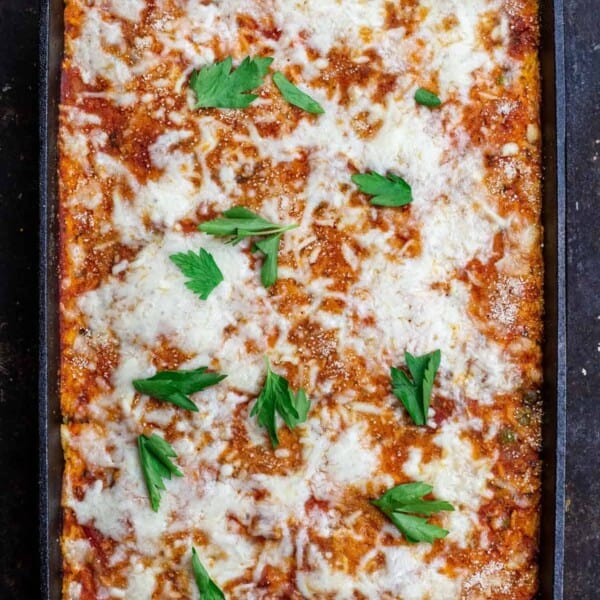
There’s plenty of use for this sauce beyond a bowl of spaghetti, too. Spoon it into vegetable and pasta bakes, bake it with chickpeas, or serve it as a dip for arancini, Italian fried rice balls. You’ll find some of those ideas below.
And if you have leftover spaghetti already tossed with sauce, try my spaghetti pie. Layers of vegetables and cheese turn it into another dinner.
Make Ahead, Store, and Freeze
I often make a few batches of spaghetti sauce to keep in the freezer. Having the sauce ready makes a homemade pasta dinner much easier on a busy night.
Make Ahead and Refrigerate
Cook the sauce ahead and refrigerate it separately from the pasta for up to 3 to 4 days. Divide it into shallow containers and refrigerate promptly, within 2 hours of cooking, or within 1 hour if the temperature is above 90°F. You don’t need to wait for it to cool completely on the counter.
Freeze
Once chilled, transfer the sauce to freezer-safe containers, leaving room for it to expand. Seal tightly, label with the date, and freeze for up to 3 months for best quality. Portioning it before freezing makes it easy to thaw just what you need.
Thaw and Reheat
Thaw frozen sauce overnight in the refrigerator. Reheat in a saucepan over medium heat, stirring regularly, until it reaches 165°F throughout. If it has become too thick, stir in a little water to loosen it before adding your pasta.
Ways to Use Your Homemade Sauce
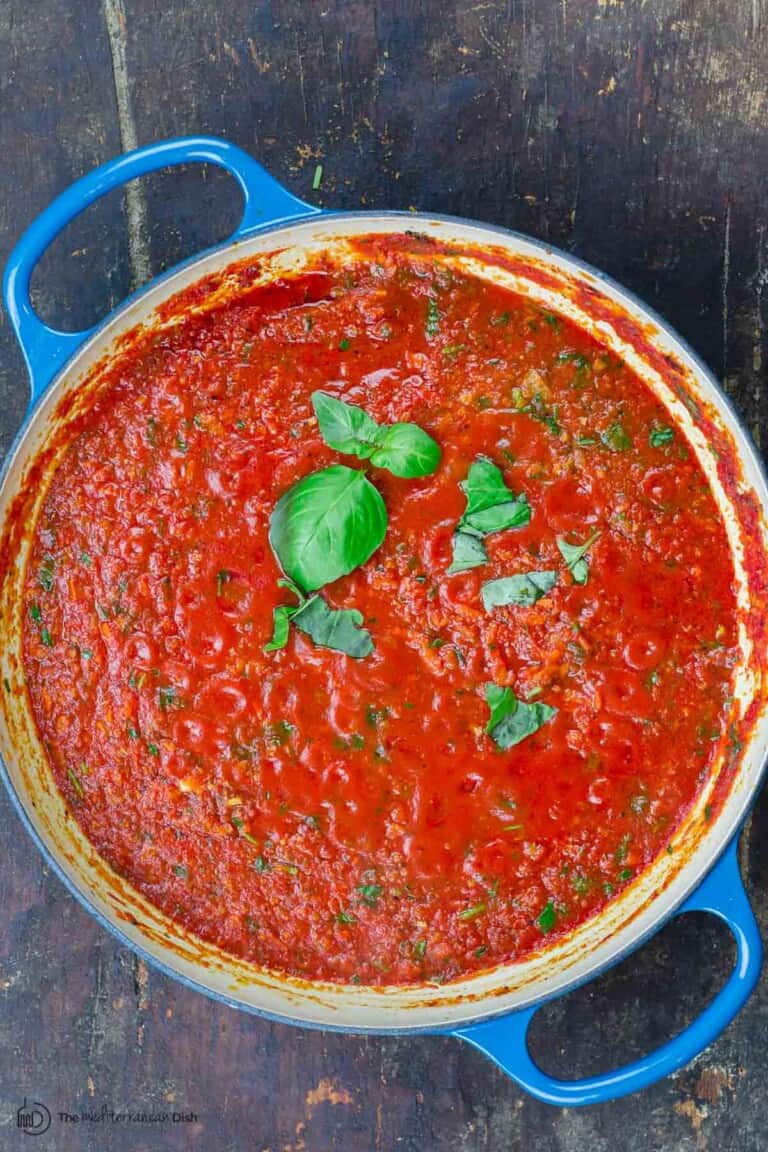
Homemade Spaghetti Sauce Recipe
Ingredients
- 1/4 cup extra virgin olive oil
- 1 medium yellow onion, grated
- 3 garlic cloves, finely minced
- 2 carrots, finely grated using a food processor or grater
- 1 (28-ounce) can crushed tomatoes
- 1/2 cup water, preferably pasta cooking water, plus more as needed
- Kosher salt
- Black pepper
- 1 tablespoon dried oregano
- 1 teaspoon sweet Spanish paprika
- Pinch red pepper flakes optional
- 1/2 cup packed fresh basil leaves, torn, plus more for finishing
- 1/2 cup packed fresh parsley, chopped
To Serve:
- 3/4 to 1 pound cooked pasta of your choice
Instructions
- Soften the vegetables. In a large pan, heat the olive oil over medium heat until just shimmering. Add the onion, garlic, and carrots. Cook, stirring regularly, for about 5 minutes, until softened.
- Add the tomatoes and seasonings. Stir in the crushed tomatoes and ½ cup water. Season with a generous pinch of kosher salt and black pepper. Add the oregano, paprika, and red pepper flakes, if using. Stir in the basil and parsley.
- Simmer the sauce. Bring to a boil, then reduce the heat to low. Cover and simmer for 15 to 20 minutes. Check partway through and stir, adding a little more water or pasta cooking water if the sauce is too thick.
- Finish and serve. Add more fresh basil, if you like. To serve with pasta, add the cooked pasta to the sauce and toss to combine. Cook together over low heat for about 5 additional minutes before serving.
Recipe Notes
- Timing: The 35-minute total is for the sauce alone. Finishing cooked pasta in the sauce adds about 5 minutes, bringing the total to about 40 minutes. Allow additional time if making the meat variation below.
- Prepare the vegetables finely: Grate the onion and finely grate the carrots so you don’t have large pieces throughout the sauce. I’ve used both a grater and a small food processor for the carrots, and I prefer the results with the food processor.
- Finish the pasta in the sauce: Cooking the two together for a few minutes allows the pasta to absorb some of the sauce’s flavor. It’s like the pasta is sauced from the inside out!
- Optional tomato paste: For extra body, you can add a couple tablespoons of tomato paste along with the crushed tomatoes.
- Meat option: Use 1 pound of ground beef, ground turkey, or ground Italian sausage. Heat a little extra virgin olive oil in your pan over medium heat. Add the meat and cook, breaking it up and stirring regularly, until browned and cooked through. Ground beef or pork sausage should reach 160°F; ground turkey should reach 165°F. Drain and transfer to a plate. In the same pan, cook the onion, garlic, and carrots in a little olive oil for about 5 minutes, until softened. Return the meat to the pan, stir to combine, and continue from step 2.
- Refrigerate: Divide the sauce into shallow containers and refrigerate promptly, within 2 hours of cooking, or within 1 hour if the temperature is above 90°F. You don’t need to cool it completely on the counter. Keep refrigerated for up to 3 to 4 days.
- Freeze: Once chilled, transfer to freezer-safe containers, leaving room for expansion. Seal tightly, label with the date, and freeze for up to 3 months for best quality.
- Thaw and reheat: Thaw overnight in the refrigerator. Reheat over medium heat, stirring regularly, until the sauce reaches 165°F throughout. Add a little water if needed to loosen it.
- Shop this recipe: I use Private Reserve Greek extra virgin olive oil to soften the vegetables. Stock your pantry with dried oregano and sweet Spanish paprika for the sauce’s herbal flavor and mild pepper sweetness.
Nutrition
Nutrition information is automatically calculated, so should only be used as an approximation.
Shop Suzy’s curated selection of Mediterranean olive oils, spices, and more.
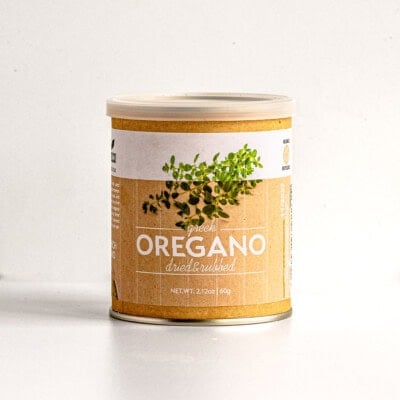
Try Our Greek Oregano!
This dried herb straight from Greece is lemony, fragrant, and perfect for everyday use.










hello! can you let this simmer for a few hours??
Hi, Haley! I have never really tried simmering it for that long… a few hours might be a bit too much. The longer you simmer it, the thicker it may get, so just be aware.
Hi Suzy
We love your recipes and videos!
Would we use pomegranate molasses in this sauce or just the meatball sauce?
Thank you!
Rose
I would just us it in the Cinnamon Braised Meatball sauce you’re referring to.
Wow! This came out so tasty and it was super simple to make. Thank you!!
Suzy, can I use whole , peeled San Marzano canned tomatoes instead of crushed? Would we still add the carrot?
Thank you so much!
Rose
Hi Rose! I only had whole peeled tomatoes, and the recipe worked out for me! I just took a wooden spoon and crushed them in the pot (lol).
@Suzy, this recipe has become my favorite for spaghetti!
Awesome! Thank you, Crystal!
Loved it! I don’t like cooked carrots, surprisingly I couldn’t taste it, it was so good! Thank you!
I am going to try this recipe tomorrow. I plan to make enough to freeze some of the sauce for future use. Should I freeze the spaghetti noodles with the sauce or add noodles when I use the frozen sauce. I think I know the answer but waiting to see what you the expert says!!!
Hi, Ingrid! I recommend only freezing the sauce in this case.
This is a pre-production comment: I’m choosing to make this recipe rather than some other because other spaghetti sauce recipes I looked at (5) called for sugar, which is annoyingly ubiquitous in American cuisine. Using carrots instead just sounds so preferable – still sweet and far more healthy and nutritious. Thanks for that! BTW, one can always adjust the amount of garlic/herbs in a recipe to taste, but 3 cloves is definitely NOT too much for me:)
I’m with you on the garlic. Is there ever too much? LOL! Can’t wait to hear how this turned out for you! Hope you enjoyed it!
If I don’t have the fresh herbs can I substitute dried. how much will that effect the flavor?
I prefer the fresh herbs in this recipe, but you can try dried herbs…remember that substituting dry in place of fresh requires you to use far less since dry herbs are more concentrated. For example, 1 tablespoon of fresh herbs would be substituted with 1 teaspoon of dry herbs.
Hi Suzy, I made this spaghetti sauce using your recipe and all the member of my family enjoyed it. Thanks for sharing.
Best wishes
Sawitre.
I’m so glad, Sawitre! 🙂
Hi Suzy,
Thanks for the easy, healthy and delicious pasta sauce recipe. Today we prepared it for lunch. Me and my four years old son enjoyed our lunch.
I do follow your recipes. Thanks for sharing..!!
My pleasure, Gauri! So glad you liked it!!
Best spaghetti recipe i have ever read so far. Thanks for sharing this post with us. Also sharing here an article on oven baked speghetti squash recipe. Check out the recipe here: https://www.foodybud.com/oven-baked-spaghetti-squash-•-the-healthy-foodie/
So glad you enjoyed it!
Really enjoyed the simple sauce especially since I had everything at home.
I will try making it with meat next time to change it up. Thank you for another amazing recipe.
My pleasure, Maryann! So glad you enjoyed the sauce!
This sauce is perfectly simple and delicious! It really took spaghetti night up a level!
Yay! Thanks Wilhelmina!
I love this recipe! What is the size of the braiser you used for this recipe?
Hi Alexis, this is a 5-quart braiser.
This was so good@ Everyone at my house really loved it!
So glad!
Hello! Absolutely love your recipes. I am looking into buying a braiser but not sure what size to get. What size are you using in the video recipe?