



Labneh, also spelled labnah, labne, or lebne, is a versatile Middle Eastern strained yogurt with a spreadable texture similar to cream cheese. This 2-ingredient yogurt cheese is so easy to make; and I’m excited to share my easy go-to recipe that I’ve been making for 20+ years.
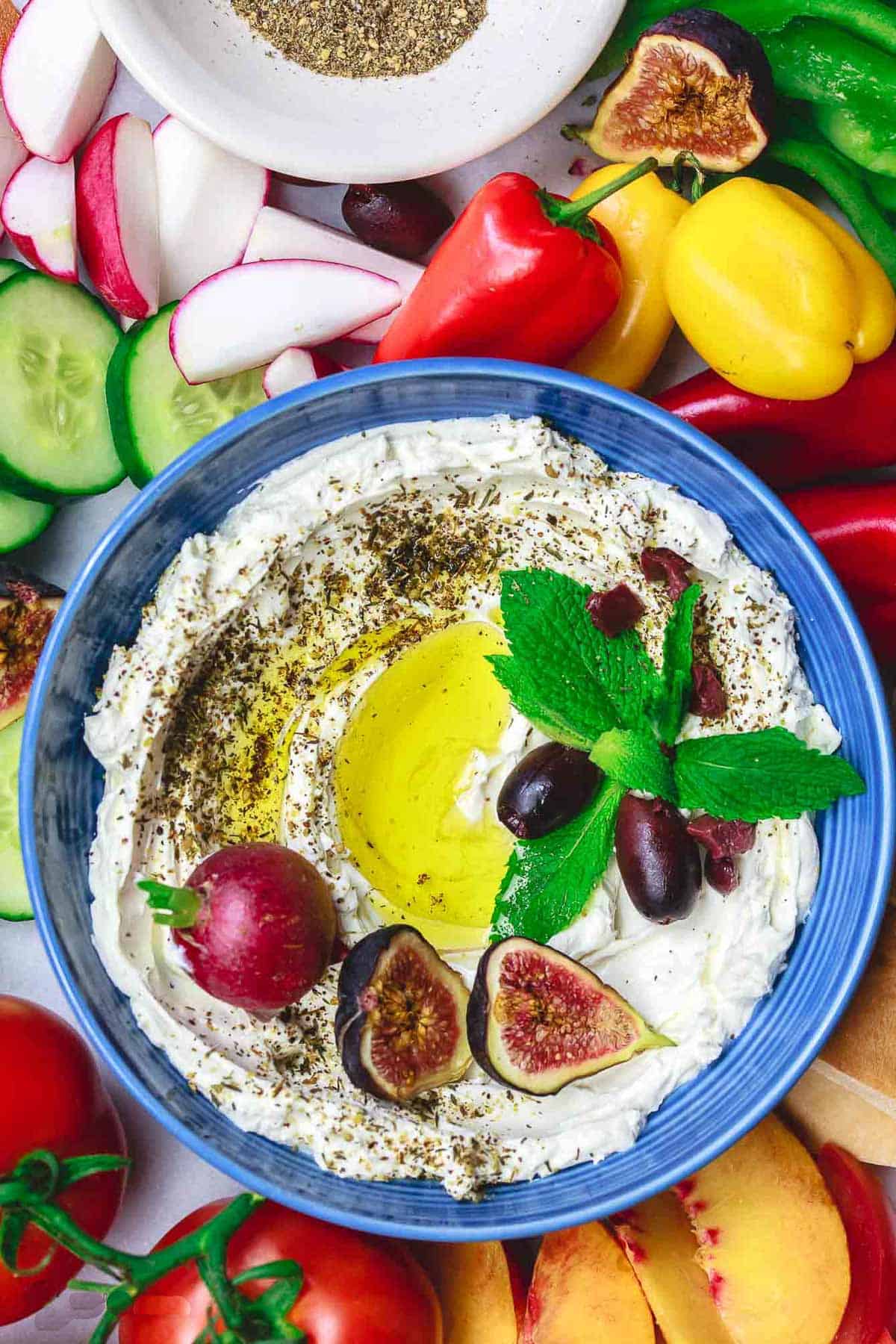
The Labneh Mama Dina Taught Me 20+ Years Ago
I learned how to make Labneh, a creamy, tangy yogurt cheese, from my mother-in-law, Mama Dina. She is an excellent cook, which only makes sense because I met her son at their family restaurant, where she cranked out endless meals that celebrated her Jordanian upbringing.
Labneh is a staple in Middle Eastern cuisine, specifically in the Levant region (Jordan, Syria, Lebanon, Israel, and Palestine). Its thick consistency makes it perfect for spreading on sandwiches or breads like Turkish Simit, creating a dip for fresh veggies, or using it as a base of any number of recipes, as I do with these Roasted Beets. This simple 2-ingredient recipe requires minimal effort or hands-on time; the hardest part of making it is waiting!
Preparing labneh is a straightforward process that involves straining plain whole-milk yogurt seasoned with a little salt. The straining process removes the whey from the yogurt, creating a thick spread that can be enjoyed plain or dressed up with your favorite herbs and spices. Once you make labneh at home, I’m confident you’ll find many ways to enjoy it!
Why I Love This Recipe
- It only requires only two ingredients: whole milk yogurt and salt.
- You can adjust how thick you want it by increasing or decreasing the straining time.
- Use it as a sandwich spread, a dip, or a base for veggies of all kinds. You can even make mainated labneh balls.
What is Labneh (Labne)?
Think of labneh as a type of yogurt cheese. You don’t need rennet or any special cheesemaking equipment to make it, just a fine mesh strainer lined with cheesecloth or a tea towel. If you think of Greek yogurt as strained yogurt, labneh is extra-strained yogurt.
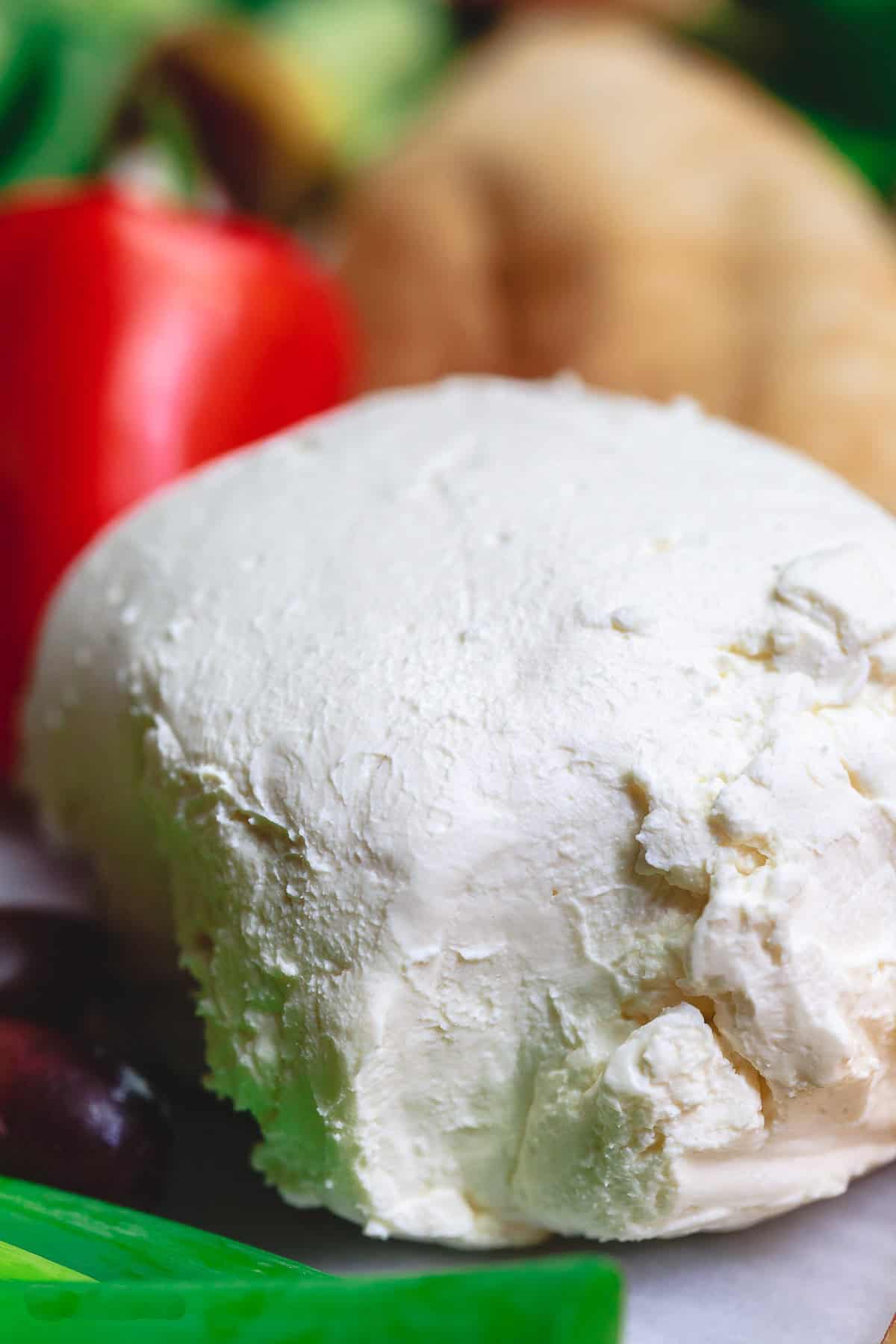
Labneh Ingredients
Making labneh at home requires just two ingredients:
- Yogurt: I recommend starting with high-quality whole milk or goat milk yogurt.
- Salt: Adding a little salt helps draw the whey out of the yogurt, but it’s largely there for flavoring. The yogurt will still release its liquid without adding the salt. If you’re trying to avoid added salt in your diet you can reduce the quantity or omit it altogether.
How to Make Labneh
Making this labneh recipe takes only moments. Most of the time required is hands-off.
- Season the yogurt. Pour 4 cups of yogurt into a large bowl. Stir in 3/4 teaspoon salt.
- Drain the yogurt. Line another large bowl with a linen, flour sack, or muslin towel (or several layers of cheesecloth.) Pour the yogurt mixture into the towel. Pick up the edges of the towel and tie it at the top. Hang from a kitchen sink faucet to drain for 24 to 48 hours. (Set a bowl to capture the whey if desired.) Alternatively, set a large fine mesh sieve, over a deep bowl. Line the sieve with cheesecloth or towel. Add the yogurt mixture. Cover gently with the overhang and set aside on the counter, or in the fridge, to drain for 24-48 hours.
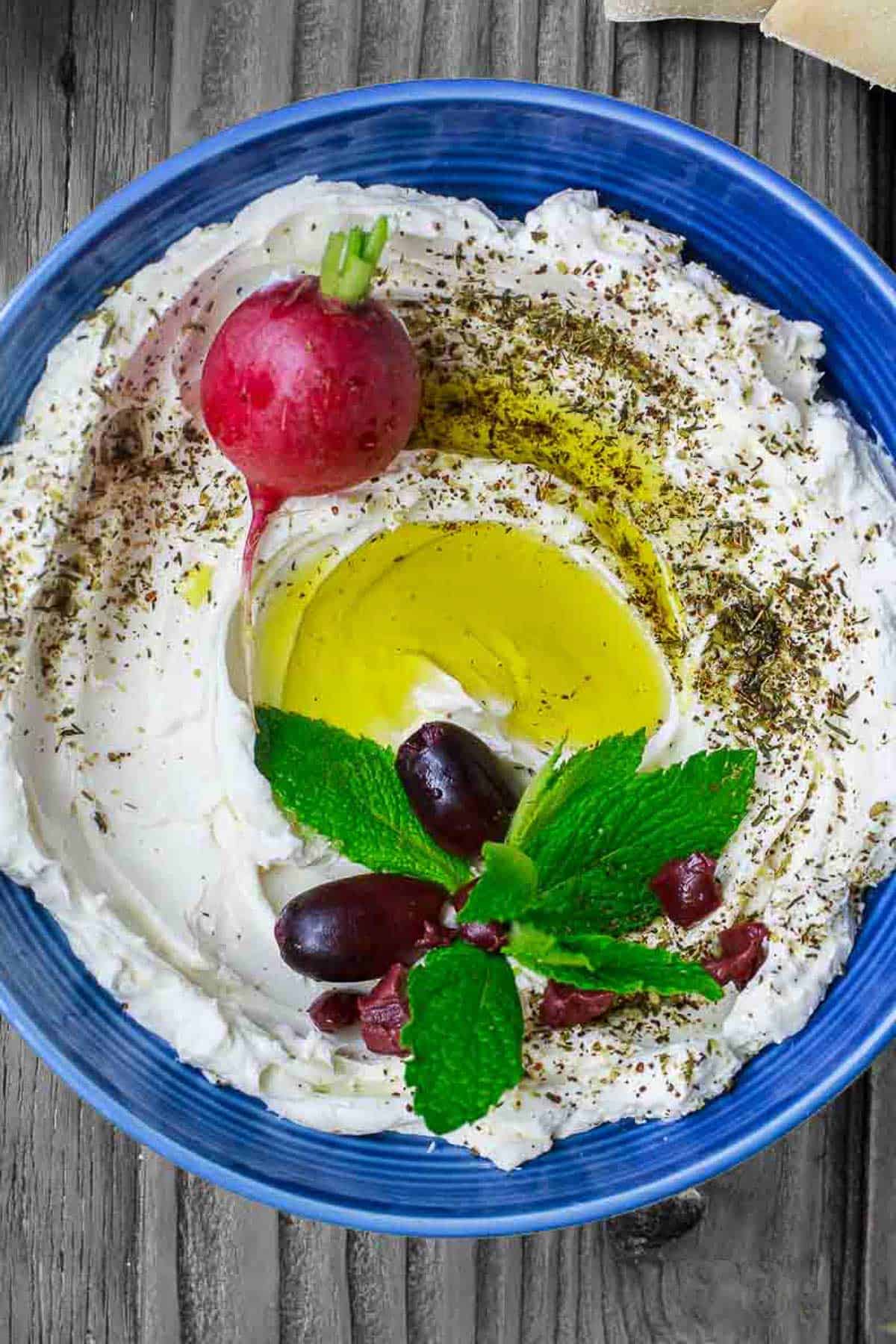
- Serve. Spread the labneh in a bowl and top with extra virgin olive oil, za’atar (or chopped fresh herbs like mint or parsley). Add warm Pita and fresh veggies for dipping. Enjoy!
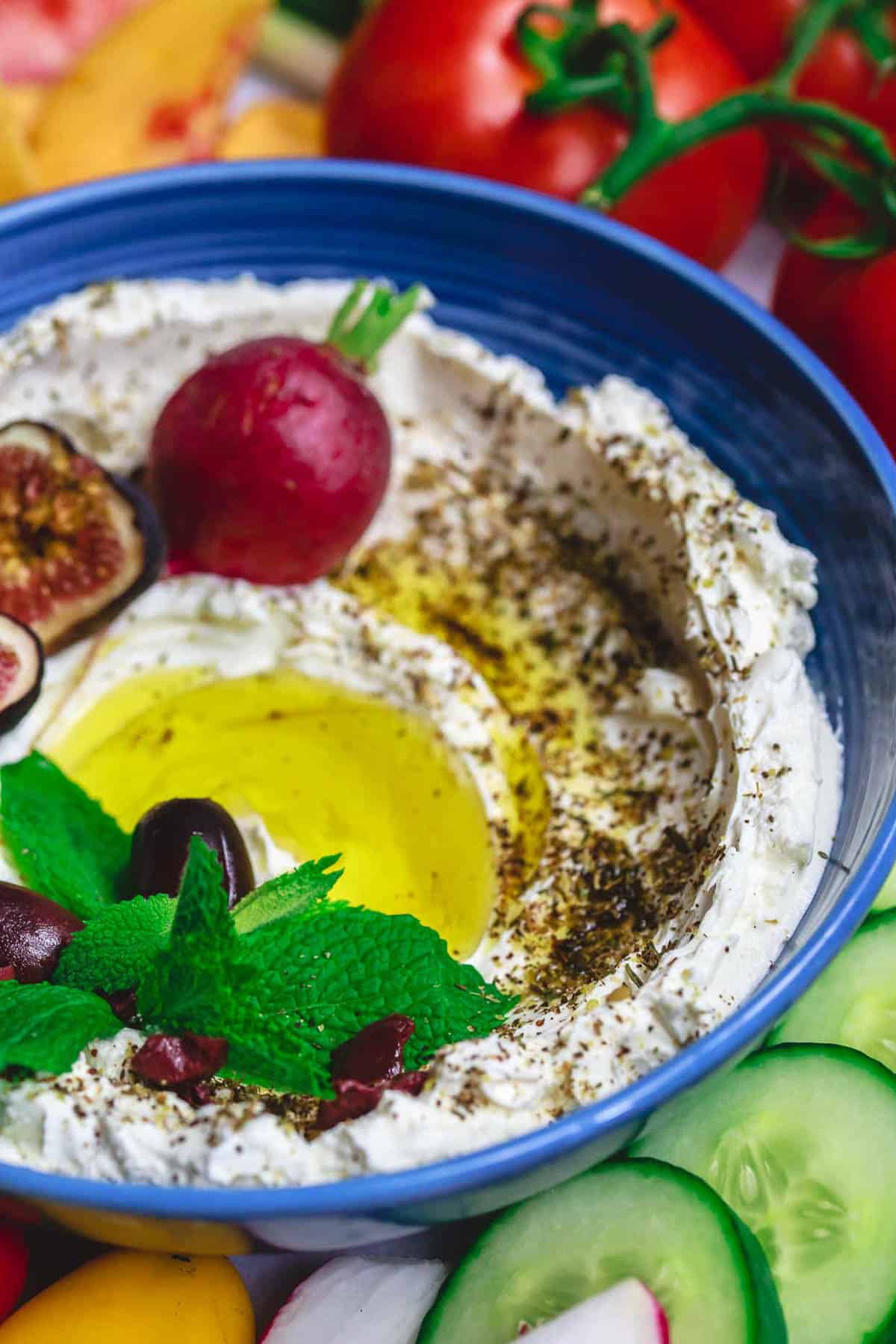
Labneh Recipe Variations
Think of this labneh recipe as a blank slate that can easily accommodate nearly any mix-in, either sweet or savory.
- Fold in herbs or spices: Customize the flavor profile of your labneh to suit a specific recipe by mixing in za’atar, oregano, chopped fresh herbs, or lemon zest.
- Make it spicy: Fold in chili flakes or hot sauce to make a smoky, spiced labneh that’s particularly good with grilled chicken or vegetables.
- Add some sweetness: Drizzle with or fold in some honey, fig jam, date syrup, or pomegranate molasses to make a base for roasted fruit or to spread on a slice of toast.
- Swirl in something: Add any savory condiment to transform labneh into a complex dip. Sun-dried tomato pesto or Olive Tapenade are particularly good.
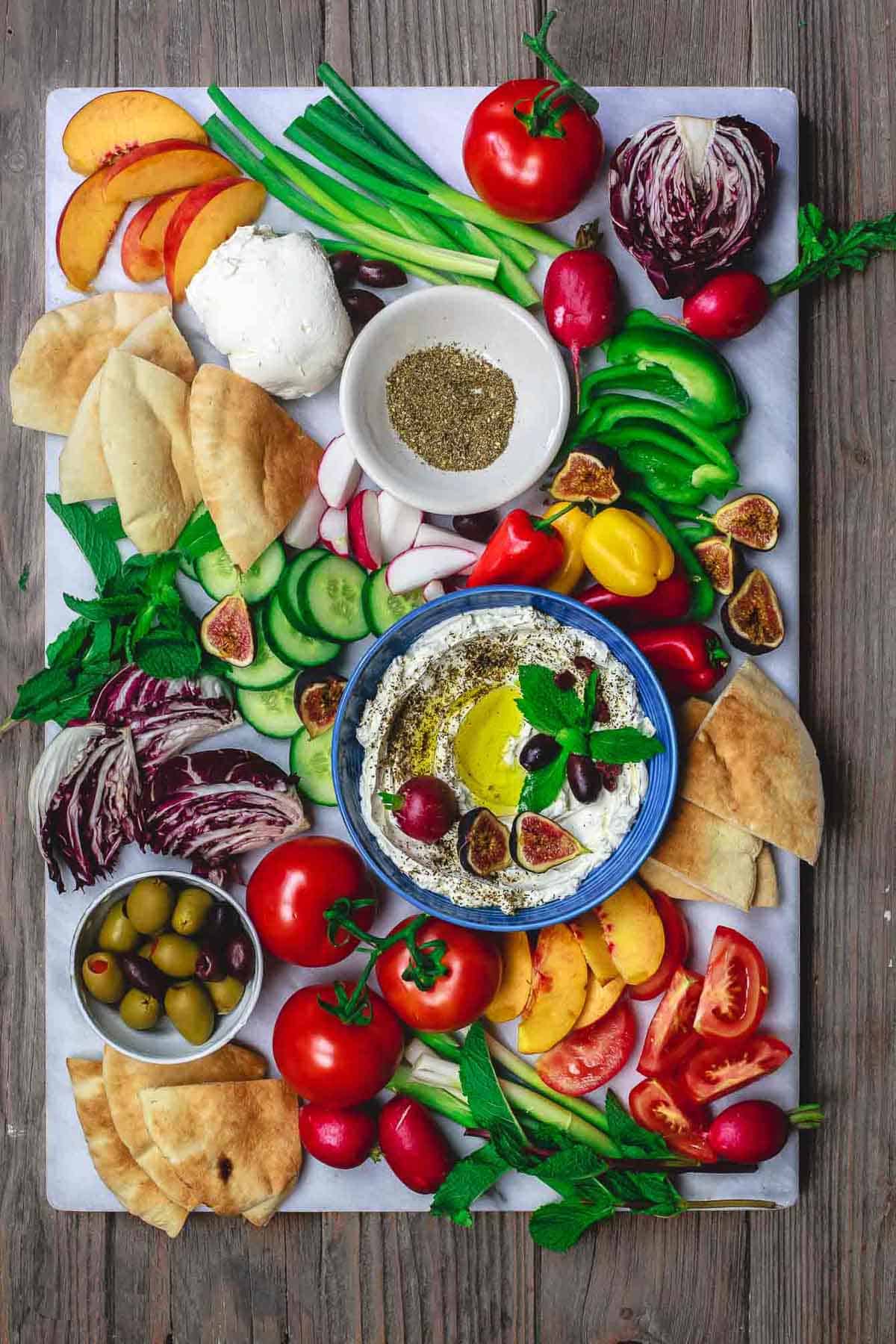
Labneh Recipe Tips
My mother in law made labneh by starting with milk. My shortcut is to start with yogurt. Here are a few things I’ve learned over the years.
- I prefer whole milk plain yogurt to make labneh, but you can use any plain yogurt you like.
- I personally don’t use Greek yogurt but you can. Starting with Greek yogurt means that there will be less moisture to drain away, so depending upon how thick you want your labneh to be you might want to reduce the straining time.
- You can make a vegan non-dairy labneh by using plant-based plain yogurt.
- Strain the yogurt using layers of cheese cloth, linen, muslin or flour sack towels. Do not use a terry cloth towel they are too thick and will leave fuzzy towel bits on your cheese.
How to Use the Whey
Whey is the golden, watery liquid that drains out of the labneh. It’s rich in protein and micronutrients. On its own, whey has a tangy, almost lemon-like flavor, and you can cook with it similarly to the way you might use buttermilk. You can discard it, but there are lots of ways to use it in your cooking.
- In cooking: Because of its acidity, whey has the same tenderizing effect that yogurt does on meat, so you can use it in place of yogurt to marinate chicken to make Gyro Bowls or in our Best Chicken Marinade.
- In baking: Use whey to replace the water in bread recipes such as our Easy Homemade Pita Bread, a no-waste kitchen tip to add even more protein and nutrition to your baking!
What to Serve with Labneh
Once you’ve made yogurt cheese, consider it a fridge staple and an ingredient that can easily morph depending on the meal.
- Use it as a base and top with roasted vegetables, grilled asparagus, or blend cultures and top it with Italian sauteed rapini (aka broccoli rabe).
- Mix in some fresh herbs and minced garlic, and you’ve got an easy sauce for Lemon Garlic Chicken or any other grilled chicken recipe. Grate in a cucumber and think of it as a thicker version of Tzatziki.
- Make a mezze platter with labneh, hummus, fresh cut-up veggies, olives, and pita.
How to Store Labneh
Store labneh (and the whey, if you like) in separate, airtight containers in the refrigerator for up to 2 weeks.
Like yogurt, labneh has a relatively long shelf life for a fresh dairy product. Make note of the “use by” date on the yogurt you use to make it as a good general guideline for the resulting labneh, too.
Make Mama Dina’s Labneh Balls: To preserve your labneh, you can form it into balls that are about 1 tablespoon each in size. Place the balls in a large sterilized, airtight jar and pour extra virgin olive oil to cover. Make sure the balls are completely submerged in the oil at all times. Mama Dina keeps them in a cool dark place in the kitchen, but I recommend storing them in the fridge. Complete details for how to do this are in the recipe below.
Cover the jar tightly and store in the refrigerator for up to 2 months. The oil covering the labneh balls will solidify in the fridge. Just set the jar out at room temperature 30 minutes or so before you plan to serve them.
More Ways to Use Labneh
Once you’ve made this labneh recipe, there is no need to worry about how to use it up! We use it in my house all the time, for both sweet and savory dishes. Here are some of my favorite ways to use labneh:
- Whipped Labneh Dip
- Sumac Strawberry Shortcake with Labneh
- Roasted Beets with Labneh
- Cucumber Sandwiches
- Grilled Carrots with Labneh
- Tomato Sandwiches


Ingredients
- 4 cups (32 ounces) whole milk yogurt
- 3/4 teaspoon kosher salt
To Serve (optional)
- Extra virgin olive oil
- Za’atar or chopped fresh herbs
- Warm pita bread
- Sliced vegetables
Instructions
- Season the yogurt. Pour the yogurt into a large bowl. Stir in the salt.
- Drain the yogurt. Line another large bowl with a linen or muslin towel (or several layers of cheesecloth.) Pour the yogurt mixture into the towel. Pick up the edges of the towel and tie at the top. Hang from a kitchen sink faucet to drain for 24 to 48 hours. (Alternatively, set a large sieve, lined with linen towel over a deep bowl. Add the yogurt mixture. Cover gently with the overhang of the linen towel, or another linen towel. Set aside on the counter, or in the fridge, to drain for 24-48 hours.)
- Serve. Spread the labneh in a bowl and top with extra virgin olive oil, za’atar spice (or chopped fresh herbs like mint or parsley). Add warm pita and fresh veggies for dipping.
Video
Notes
- Shop this recipe: Visit our shop to browse quality Mediterranean ingredients including the olive oil and za’atar used in this recipe.
- Store labneh in a tight-lid container in the fridge and use as a spread, like any cream cheese.
- Labneh will keep this way up to 2 weeks. Or, for longer storage, preserve it in olive oil. This more labor intensive option works only if the yogurt has been strained for 48 hours forming thicker labneh. At this point, roll the labneh into 3/4-inch balls. Place them on a large tray lined with a paper towel, cover them with another paper towel and refrigerate them overnight. When ready, place the labneh balls in a clean jar and pour high quality olive oil over them, making sure the labneh balls are completely submerged. Cover and refrigerate until needed; it’ll be good for months this way.
Nutrition
*This post has recently been updated with new information for readers’ benefit.

Try Our Favorite Za’atar!
Jazz up your labneh with this aromatic, tart, and savory spice blend.
Frequently Asked Questions
In a nutshell, labneh is strained yogurt. It’s thick and creamy like cream cheese, and tastes tangy. It’s a common household “cheese” in the Mediterranean and Middle East, where it’s used as a dip or a spread.
Lay a linen, flour sack, or muslin dish towel over a large bowl, and combine the yogurt and salt if using. Pour the yogurt into the center of the cloth. Pull up the corners and tie it together, and hang it over your faucet to drain the liquid for 24 to 48 hours. Alternatively, set a strainer over a bowl, and layer it with cheesecloth. Pour the yogurt into the cheesecloth-lined strainer. Let it sit for 24 to 48 hours.
It’s really up to you. The longer you let it strain, the firmer the labneh will be. I usually let it strain at room temperature for 24 to 48 hours.
It’s commonly enjoyed as a dip, base for other ingredients like roasted vegetables, or a spread. Keep things simple, spread labneh on a plate, drizzle with extra virgin olive oil, and sprinkle with za’atar or Aleppo pepper. Make whipped labneh dip and serve with pita or your favorite veggies. Spread it on a platter and top it with vegetables like roasted beets or carrots.

I am going to make this recipe with goat yoghurt. I have a friend who is dairy intolerant. Just looking at the photo of the roasted carrots makes my mouth water
Hope you enjoy it, Lois! Please stop back and let us know how it turned out for you with the goat milk yogurt!
Hi, can you make this at room temperature even in this very hot summer, or will it spoil? better to use the fridge and sieve version?
Thanks!
Hi, Nico. If it’s very hot in your kitchen, I recommend letting the yogurt drain in the refrigerator just to be on the safe side.
worked perfectly, thanks!
Which kind of yogurt should I use, or does it matter?
I love your recipes!!
Hi, Teresa. You’ll just want to use any whole milk yogurt.
I make my own yogurt with a 1/2 gallon of ultra processed milk a 2 tbls of foge yougurt. I cook for 8 1/2 hours in an instant pot. I drain it over night which makes it very dry and I save the whey. Can I use this to make the Labneh? I am very new to this but have some interesting recipes I would like to try, including this one. Thank you!
I will try making launch. I recently ate it on a Caribbean cruise.