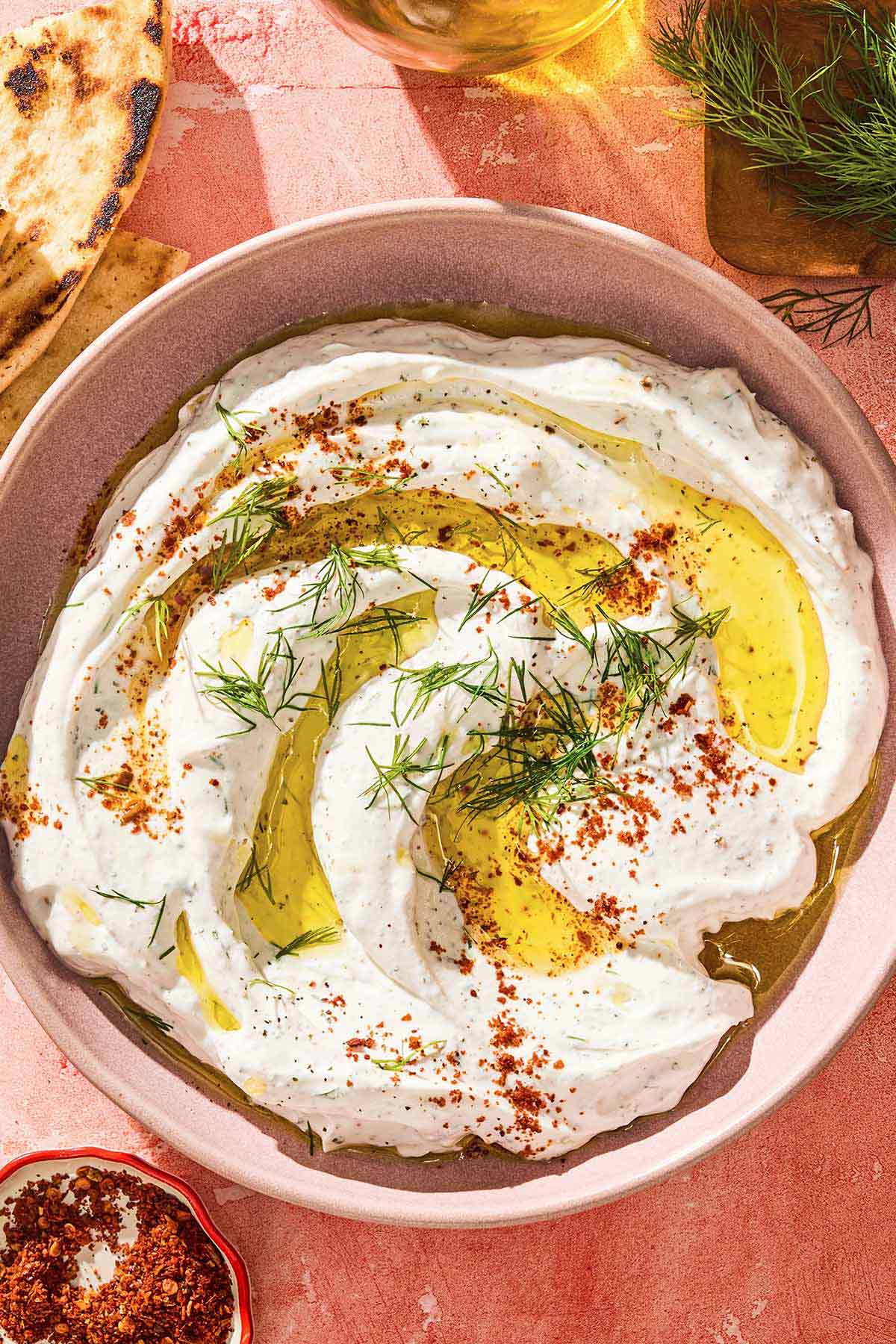
Haydari is a much-loved meze enjoyed throughout my homeland, Türkiye (Turkey). It’s a delicious, thick, yogurt dip and the perfect addition to a mixed grill!
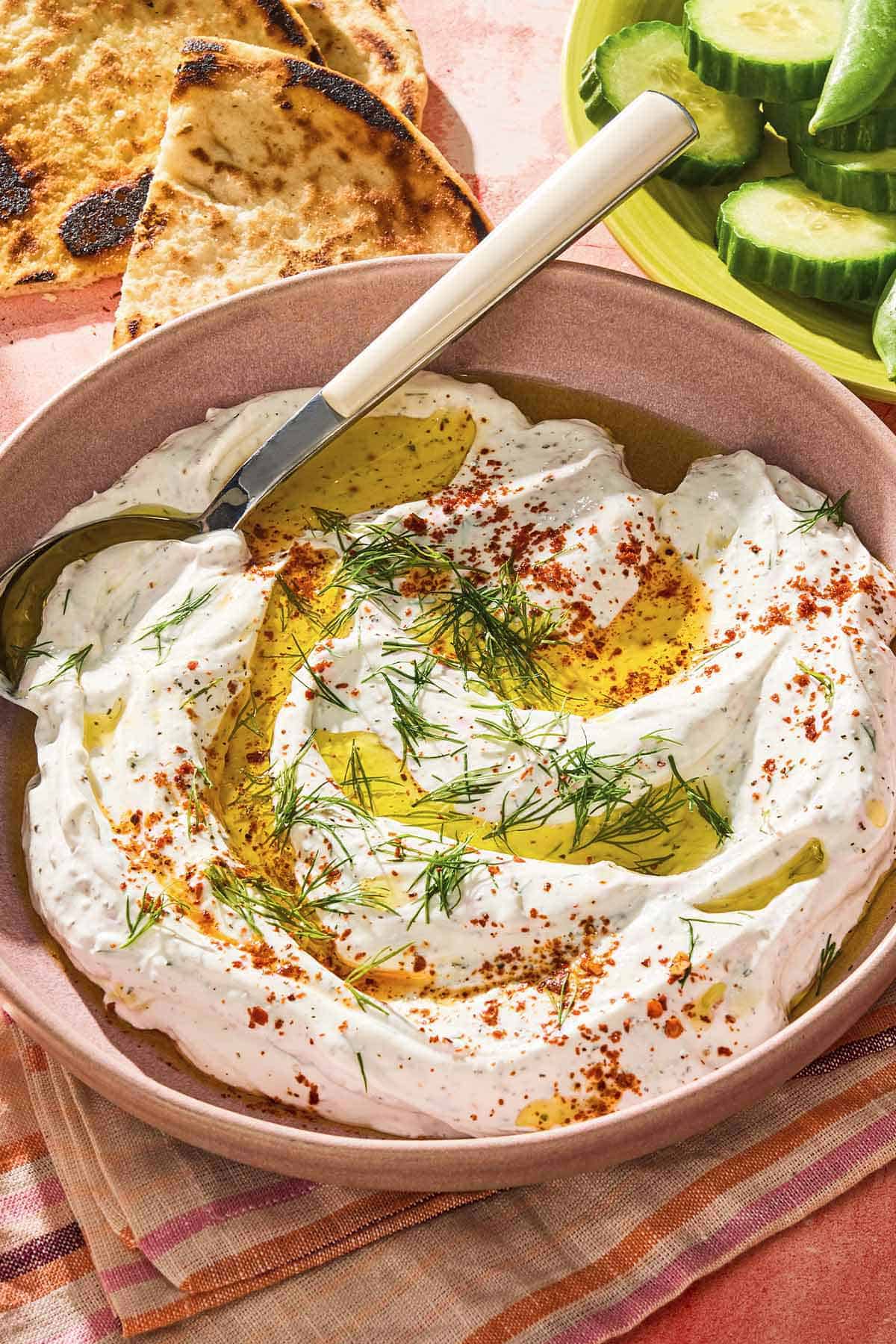
An Extra Creamy Yogurt Dip from Turkey
Haydari (pronounced hai-dari) is one of my favorite dips and a must on the mezze table for us in Turkey. You’ll encounter variations in the Eastern Mediterranean and the Middle East. A lovely combination of extra-thick strained yogurt with garlic and herbs, it’s tangy, punchy, and refreshing.
Haydari differs from the Turkish Cacık as well as Greek tzatziki. Cacık is made with regular yogurt and includes finely chopped cucumbers, along with dried mint. Traditionally, cold water is added too, to make it a chilled soup consistency. Greek tzatziki also includes finely chopped cucumbers with thicker Greek yogurt and herbs. Haydari includes many of these same seasonings, but doesn’t include cucumber, so the garlic and herbs are the primary flavors.
You will need to use strained yogurt or süzme, as we say in Turkish, to achieve the correct thick, creamy texture. Greek yogurt is not thick enough; the most widely available product with a texture similar to Turkish strained yogurt is labneh, which is easy to make at home or is widely available in most grocery stores.
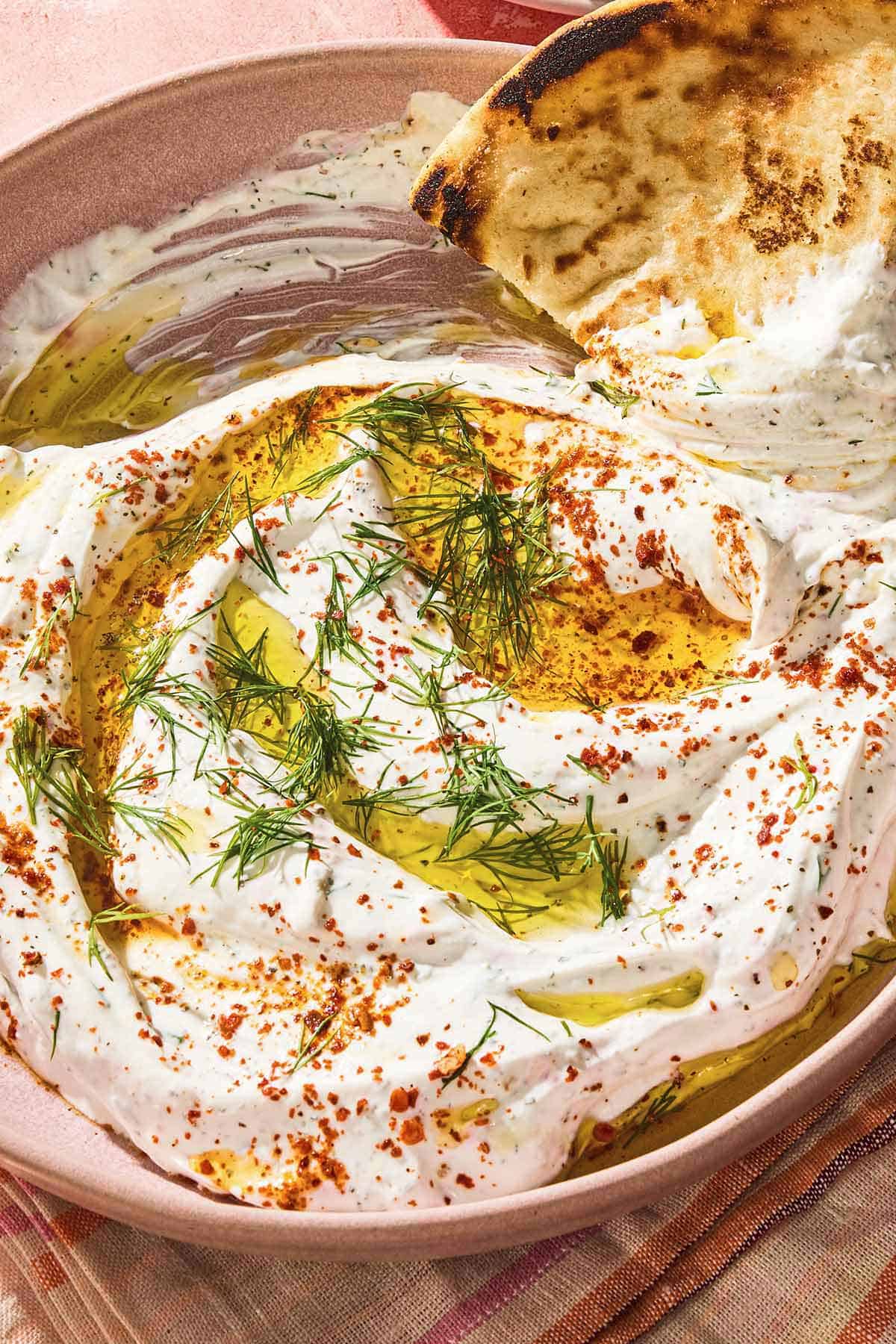
I love the versatility of Haydari. You can serve it alongside grilled meat, spread over bread or on sandwiches, as part of a mezze spread, or with borek.
Key Ingredients
- Garlic: An important ingredient for Haydari, punchy garlic adds a delicious sharpness.
- Labneh, which is strained yogurt, is the main ingredient. It gives haydai its authentic, thick, and creamy texture. Please avoid using regular or Greek yogurt, as that will make the dip watery.
- Fresh dill is a popular herb, especially in the Aegean, Mediterranean, and the Marmara regions of Turkey. It adds a fresh, slightly bitter aroma to the dip and cuts through the richness of the strained yogurt. Please avoid using dried dill, as fresh dill is far more aromatic.
- Dried mint adds a lovely cooling, refreshing, aromatic, and slightly sweet flavour to Haydari and complements the fresh dill. Please avoid using fresh mint here, as dried mint is more aromatic and intense.
- Extra virgin olive oil: Turkey produces some of the finest olive oil in the world, and I use it daily. Its mild, fruity, slightly grassy flavor complements tangy Haydari, and adds lovely richness and shine. Greek Koroneiki Olive Oil is also lovely with this recipe. You want good quality extra virgin olive oil.
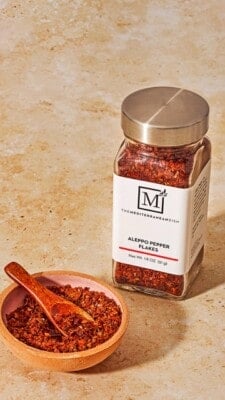
- Aleppo pepper (optional): Known as pul biber in my homeland, Aleppo pepper is a very popular spice for its gentle heat and fruity flavor. Though not traditional to use over Haydari, a pinch can provide a lovely, vibrant color.
How to Make Haydari
- Make the garlic paste. Finely chop 1 large garlic clove and sprinkle a pinch of salt over it. Using the flat side of the knife and the heel of your hand, gently squash the garlic to turn it into a paste.
- Mix the haydari. In a medium bowl, combine 2 cups (450g) labneh with the garlic paste. Stir in 1 tablespoon finely chopped fresh dill and 1 teaspoon dried mint and mix well. Check the seasoning, adding a little more salt if needed.
- Finish and serve. Spoon Haydari onto a serving plate and drizzle with 2 tablespoons extra virgin olive oil. Garnish with more fresh dill and a pinch of Aleppo pepper (if using) and serve with flatbreads on the side for dipping.
Variations for Haydari
- Add cheese: You can make a lovely variation of Haydari, adding some crumbled feta (or Turkish beyaz peynir, about 1 1/2 ounces) when stirring in the garlic paste and herbs. In this case, you may like to use a little less salt, as feta is salty too.
- Garnish with pomegranate seeds. Although not traditional, a few sprinkles of pomegranate seeds to serve over Haydari is a lovely touch; I love the refreshing, sweet and sour flavour pomegranate seeds bring to Haydari and its vibrant colour.
- Top it with nuts: I do love nuts over dips; they provide texture, crunch, depth of flavour, and wholesomeness. We wouldn’t traditionally serve nuts over Haydari, though why not experiment and add a few dried roasted pine nuts or walnuts just before serving? They complement the richness and creaminess of Haydari and provide additional nutritional value, too.
What to Serve with Haydari
In Turkey, we enjoy the deliciously creamy Haydari with flatbreads like lavash or even pita, as part of a meze spread, with grilled meat—including these chicken kabobs—alongside vegetable casseroles, and as part of buffets.
Haydari also goes well with other meze such as muhammara dip, Circassian chicken, pickles, and zesty salads such as our shepherd salad Çoban Salatası, or this very similar shirazi salad. Afiyet Olsun!
More Mediterranean Dip Recipes
- Spinach Greek Yogurt Dip Recipe with Walnuts
- Creamy Whipped Feta Dip
- Spinach Vegetable Dip with Pistachios and Zhoug
- Whipped Ricotta Dip with Pistachios, Olives, and Harissa

Ingredients
- 1 large garlic clove, peeled
- Sea salt to taste
- 2 cups labneh (450g)
- 1 tablespoon finely chopped fresh dill, plus a few sprigs to garnish
- 1 teaspoon dried mint
- 2 tablespoons extra virgin olive oil
- Aleppo pepper, to serve (optional)
Instructions
- Make the garlic paste. Finely chop the garlic and sprinkle a pinch of salt over it. Using the flat side of the knife and the heel of your hand, gently squash the chopped garlic to turn it into a fine paste.
- Mix the haydari. In a medium bowl, combine the yogurt with the garlic paste. Stir in the chopped dill and dried mint and mix well. Check the seasoning, adding a little more salt if needed.
- Finish and serve. Spoon Haydari onto a serving plate and drizzle with extra-virgin olive oil. Garnish with fresh dill and a pinch of Aleppo pepper (if using) and serve with flat breads on the side for dipping.
Notes
- Shop this recipe: Visit our shop to browse quality Mediterranean ingredients, including the olive oil and Aleppo pepper used in this recipe.
Nutrition
Our Favorite
Aleppo Pepper
Mildly spicy, tangy, and fruity, these chile flakes are a versatile way to enhance almost any dish with rich, complex flavor.