Olive Oil 101: Types, Uses, and Buying Tips

This post may contain affiliate links. Please read our disclosure policy.

Learn the differences between the types of olive oil, what to look for on the label, and how to choose a bottle for everything from salad dressing to olive oil cake.

A Mediterranean Cook’s Guide to Olive Oil
Extra virgin olive oil—EVOO, for short—is my most-used ingredient. I whisk it into dressings, drizzle it over hummus, and use it in everything from a pot of stew to cake. As I like to say, it’s the start of everything delicious!
Choosing oils for our shop also gave me the chance to learn more about tasting them. On a sourcing trip to Greece, I watched farmers and professionals swirl their tasting cups, smell the oil, and draw it through their teeth. I share that experience in my guide to tasting olive oil. You don’t need to become a professional taster to choose a bottle you enjoy, but knowing what the labels mean is a good place to start.
But the different types of olive oil can make shopping confusing. Extra virgin and virgin olive oils are unrefined; bottles labeled simply “olive oil,” “pure,” or “light-tasting” generally contain refined olive oil blended with virgin olive oil. Those differences affect the flavor you bring to your food.
My preference is extra virgin olive oil because of that flavor. Some bottles are buttery and gentle, while others have a grassy aroma and peppery finish. There is room for both in a Mediterranean kitchen.

What Is Olive Oil?
Olive oil is oil extracted from the fruit of the olive tree. It is central to Mediterranean cooking, where it serves as both a cooking fat and a source of flavor.
To make virgin olive oil, producers crush olives into a paste, gently mix the paste to help the oil droplets come together, and separate the oil from the water and solids. This mixing stage is called malaxation. The oil must then meet chemical and sensory standards to qualify as extra virgin or virgin.
Refining is an additional process that removes undesirable flavors and aromas from oil that needs further treatment. It also leaves the oil with a much more neutral flavor.

Types of Olive Oil and How to Use Them
The names on bottles aren’t all separate grades. “Extra virgin” and “virgin” describe grades of olive oil, while “light-tasting” describes a milder flavor. Here’s how to make sense of the labels.
| Label | What it means | Flavor and uses |
| Extra virgin | Unrefined; meets extra virgin chemical and sensory standards | Ranges from mild to robust; cooking, baking, dressings, and finishing |
| Virgin | Unrefined; meets a different grade standard | Olive flavor; less commonly sold at retail in North America |
| Olive oil or “pure” | Refined olive oil blended with virgin olive oil | Milder flavor for everyday cooking |
| Light-tasting | Mostly refined olive oil with a small amount of virgin oil | Neutral flavor; “light” does not mean fewer calories |
Extra Virgin Olive Oil
Extra virgin olive oil is unrefined oil extracted by mechanical means. To qualify as extra virgin, it must meet quality standards that include a free acidity of no more than 0.8%, fruitiness, and no sensory defects.
That acidity figure is a laboratory measurement, not a measure of how sour the oil tastes. It is also only one part of assessing quality.
EVOO is my choice for both cooking and finishing dishes. A drizzle over homemade hummus lets its flavor stand out, but you can also sauté, roast, and bake with it. My orange olive oil cake with cardamom uses a fruity, more neutral-tasting extra virgin olive oil.
Virgin Olive Oil
Virgin olive oil is also unrefined and mechanically extracted, but it meets a different grade standard. Its free acidity can be up to 2%, and the grading rules allow some sensory defects that would prevent an oil from qualifying as extra virgin.
Bottles labeled simply “virgin olive oil” are less common in North American supermarkets. You are more likely to see extra virgin olive oil or a blend of refined and virgin oils.
Regular or “Pure” Olive Oil
A bottle labeled “olive oil” or “pure olive oil” generally contains refined olive oil blended with virgin olive oil. The virgin oil adds some flavor and color back to the more neutral refined oil.
“Pure” does not mean it is a higher grade than extra virgin. This is an option for cooking when you want a milder olive flavor.
Light or Extra-Light-Tasting Olive Oil
“Light” refers to flavor, not fewer calories or less fat. These oils are primarily refined olive oil with a small amount of virgin olive oil blended in.
Their neutral flavor can be useful when you don’t want the oil to contribute much taste. But you don’t need to choose light olive oil just because you are baking: a mild, fruity EVOO can work beautifully, too.
What About Olive-Pomace Oil?
You may also encounter olive-pomace oil. Pomace is the material left after the initial oil extraction, including olive flesh, skins, and pits. The remaining oil is extracted from this material, then refined; the edible product is blended with virgin olive oil.
It is a separate category from olive oil and is not interchangeable with extra virgin in terms of flavor or production.

How to Choose Olive Oil
Once you understand the labels, think about freshness, how much oil you will use, and the flavors you enjoy.
- Start with the type. For the flavor I enjoy in Mediterranean cooking, I choose extra virgin olive oil. Look for those words on the label rather than relying on “pure,” “premium,” or an attractive bottle.
- Look for a harvest date. This tells you when the olives were harvested. A best-by date serves a different purpose and does not tell you how recently the olives were picked. Choose fresh oil from a seller with good turnover.
- Check where the olives came from. Look for the origin of the oil, not just where it was bottled. A clearly identified producer or region helps you understand what you are buying, but a blend of origins is not automatically a poor-quality oil.
- Choose protective packaging. Dark glass, opaque containers, and tins help shield oil from light. Packaging protects freshness; it cannot guarantee the quality of what is inside.
- Buy an amount you will use. A large container is only a bargain if you finish it while the oil is fresh. Choose a size you can use within weeks or a few months after opening.
- Let flavor guide you. Some extra virgin oils are mild and buttery; others are more bitter or peppery. Don’t assume the strongest oil is the right choice for every dish.
You can browse the extra virgin olive oils in our shop, with tasting notes to help you choose a flavor you’ll enjoy.
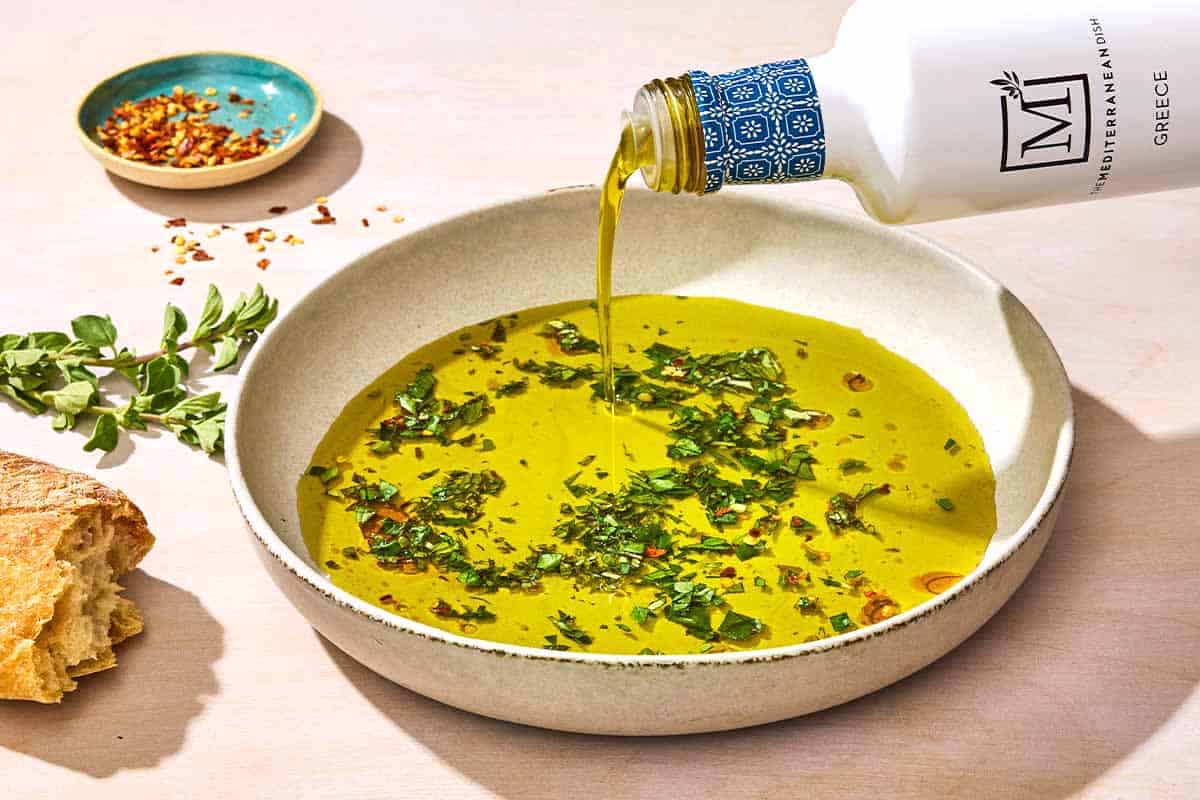
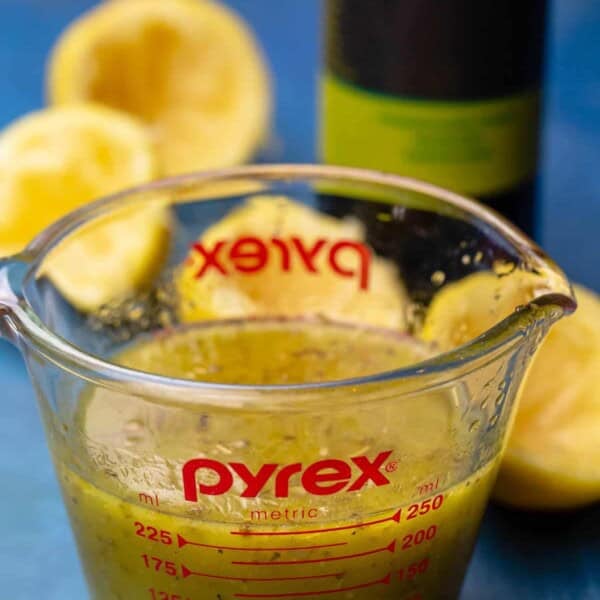
I’ve made my ladolemono, a Greek lemon and olive oil dressing, with different olive oils and enjoyed the variations. With lemon juice, garlic, and oregano alongside the oil, it’s a simple way to appreciate how your choice of bottle contributes to a finished dish.
What Do “Cold-Pressed” and “Cold-Extracted” Mean?
These terms describe extracting oil at low temperatures to help preserve its flavor and aroma. “Cold-pressed” comes from the traditional method of pressing olive paste, while most modern producers use centrifuges to separate the oil. You may see “cold-extracted” on those bottles.
“First cold-pressed” is not a grade above extra virgin. Rather than choosing a bottle based on that phrase alone, look for the extra virgin designation, freshness information, and a producer you trust.
Choosing an Olive Oil by Flavor
Once you’ve chosen extra virgin olive oil, there is still a whole range of flavors to explore. The olive variety, ripeness at harvest, and growing conditions all help shape what you taste.
Think of olive varieties a little like grape varieties in wine: they give you clues about flavor, but they don’t tell the entire story. Two extra virgin oils can taste quite different and both be good choices.
Mild and Fruity Oils
A gentler oil is a useful starting point if you are new to extra virgin olive oil or want the other ingredients in a dish to take the lead.
I like Arbequina extra virgin olive oil for baking. The one in our shop has a mild intensity with notes of tropical fruit and ripe banana. A fruity oil adds another layer of flavor without bringing the pronounced peppery finish of a more robust bottle.
Bold and Peppery Oils
A more intense oil can contribute grassy, bitter, or peppery notes. That peppery sensation at the back of your throat can be a welcome characteristic of fresh extra virgin olive oil, not a sign that something is wrong.
Our Greek Early Harvest extra virgin olive oil is one I especially enjoy on salads and in dishes where the oil’s flavor stands out.
“Early harvest” refers to olives picked earlier in their ripening. These oils often have a more assertive flavor, but harvest timing alone does not tell you everything about a bottle’s quality or nutritional composition.
What Is a Finishing Olive Oil?
A finishing oil is an oil you add just before serving to bring flavor and aroma to the finished dish. It is a use, not a separate grade of olive oil.
You don’t necessarily need a second bottle. An extra virgin olive oil you enjoy cooking with may also be lovely drizzled over vegetables, soup, or a dip. Choose the intensity to suit the food and your taste.
And don’t judge by color alone. Extra virgin olive oil can range from golden yellow to green; a deeper green does not automatically mean better quality or stronger flavor.

Can You Cook with Extra Virgin Olive Oil?
Yes! Extra virgin olive oil works for sautéing, roasting, baking, and pan-frying. It is the main cooking fat in my Mediterranean kitchen.
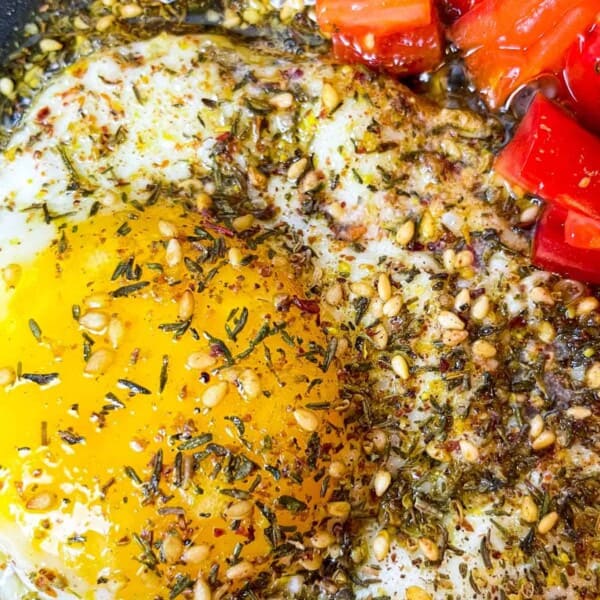
My olive oil fried eggs are a good example of how much it can contribute to a simple meal. I cook the eggs in olive oil and spoon some over the top as they cook. Sometimes I add za’atar, a Middle Eastern blend of herbs, sesame seeds, and sumac, for an earthy, tangy finish.
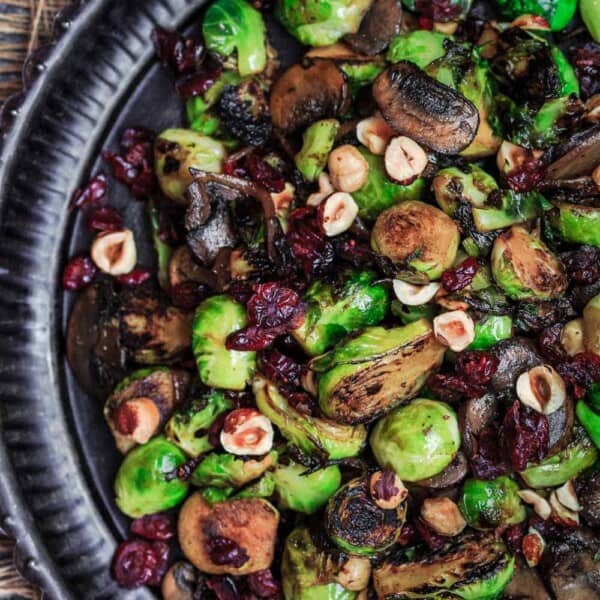
The same oil can help vegetables develop beautifully browned edges. For my fried Brussels sprouts, I start the cut sides against the hot pan and give them time to brown before turning them. The oil contributes flavor as well as helping them cook.
For more on choosing an oil for different cooking methods, see my guide to cooking with olive oil.
What About Olive Oil’s Smoke Point?
The smoke point is the temperature at which an oil begins to smoke. It varies with the oil’s grade, quality, and freshness, so there is no single temperature that applies to every bottle of extra virgin olive oil.
Smoke point also does not tell the whole story about how an oil behaves during cooking. Its fatty-acid composition and natural antioxidants affect its resistance to oxidation—the chemical changes that occur with exposure to oxygen, heat, and light.
For everyday pan cooking, watch the oil rather than relying only on the burner setting. In my Brussels sprouts, for example, I heat it until shimmering but not smoking before adding the vegetables. Letting the pan smoke is not the goal.
Can You Substitute Olive Oil for Vegetable Oil?
Olive oil can replace vegetable oil in many cooking and baking applications, but consider the flavor you want. A robust extra virgin olive oil will be more noticeable than a neutral vegetable oil.
For baking, I generally favor a fruity, milder oil over a strongly peppery one. If you are trying olive oil in desserts for the first time, my orange olive oil cake is a good place to start: it uses a fruity extra virgin olive oil alongside orange zest and cardamom. That gives you a chance to enjoy what the oil contributes without changing the balance of another cake.
Butter is a different substitution question. It contains water and behaves differently from liquid oil, especially when beaten with sugar, so don’t assume that every butter-based cake or cookie will work with a straight swap.
For deep-frying, cost is another consideration. Olive oil can be used, but filling a pot requires much more than sautéing or pan-frying. A more economical oil may make sense for that job.
Olive Oil and the Mediterranean Diet
Olive oil contributes both flavor and predominantly monounsaturated fat to the Mediterranean diet. Extra virgin olive oil also retains naturally occurring plant compounds, including polyphenols, that are reduced during refining.
The overall eating pattern matters. Using olive oil in place of fats higher in saturated fat is different from simply adding more oil to what you already eat. The FDA describes supportive, but not conclusive, evidence that oils high in oleic acid, a monounsaturated fat found in olive oil, may help reduce coronary heart disease risk when they replace fats higher in saturated fat without increasing total calories.
Refined olive oils still contain monounsaturated fats. Choosing extra virgin gives you more of the olive’s natural flavor and retained plant compounds, but “light” olive oil is not lower in calories.
For me, olive oil is first and foremost an ingredient that makes food delicious. There are plenty of ways to enjoy it as part of a meal, from dressing a salad to cooking vegetables and beans.

Does Olive Oil Go Bad?
Yes. Olive oil loses freshness over time and can become rancid as it oxidizes. Heat, light, and exposure to air speed up that process.
Smell a little oil in a small glass or bowl. Fresh extra virgin olive oil may smell fruity, grassy, or herbal. Oil that smells stale or waxy, like crayons or play dough, may have become rancid and is worth replacing.
Don’t confuse bitterness or a peppery finish with rancidity. Those can be positive characteristics of extra virgin olive oil. An unpleasant stale flavor is different from the lively bitterness of a fresh oil.
Smelling and tasting a fresh oil gives you a useful point of comparison. My olive oil tasting guide walks you through what to look for.
How to Store Olive Oil
A cool, dark cupboard away from the stove is a good home for your olive oil. Keeping a bottle beside the burner may be convenient, but repeated exposure to heat works against freshness.
- Keep the bottle tightly closed. Replace the cap after pouring to limit exposure to air.
- Protect it from light. Even a dark bottle benefits from being stored inside a cupboard rather than on a sunny counter.
- Note when you open it. Writing the opening date on the label makes it easier to keep track.
- Use it regularly. Aim to finish an opened bottle within a few months for freshness, buying a smaller size if you cook with oil less often.
- Check the producer’s date guidance. An unopened bottle is not guaranteed to stay fresh for a fixed number of months regardless of how it has been stored.
The opened-bottle timeframe is a quality guideline, not a precise food-safety deadline. Freshness depends on the oil and its storage conditions, so pay attention to its aroma and flavor as well as the date.
Olive oil can turn cloudy or partly solid in cold conditions. That alone does not mean it has spoiled, nor does solidifying in the refrigerator prove that an oil is extra virgin.
Consider this permission to enjoy your good olive oil! Don’t save it only for special occasions. Use it while its flavor is fresh.
Put Your Olive Oil to Use

Bundle and Save!
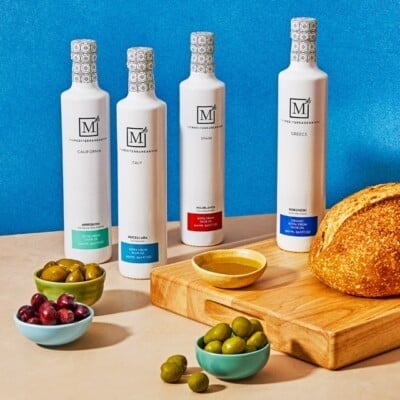
Four of our best-selling signature olive oils, perfect for everyday use.










Hi Suzy,
Just tried one of your olive oils at a friend’s home. I believe I have read that late harvest is better than early harvest (or is it vice versa)?
Would you mind commenting on that? I mean for health purposes.
What to purchase the Greek olive oil! Send me the link to purchase the olive oil!
Hello! You can click here to find all of the extra virgin olive oils we offer in our online shop.
Hi,
I’m interested in this olive oil. I see that the descriptions say ‘cold pressed’. Is this FIRST cold pressed which I’ve read is the best?
Thank you. Great information.
You didn’t mention finishing olive oils. What’s the difference?
Hi, Cari. A finishing oil, in the context of food, is a high-quality oil used to add flavor, color, and texture to cooked dishes. Favorite finishing oils from our collection include: Nocellara, Early Harvest, and Hojiblanca EVOOs.
I’ve seen your reel where you start your day with a shot of olive oil. I know you like the Early Greek harvest oil, but are any of the other oils you have as beneficial for taking on daily basis?
I’m asking because I ordered the sampler of four olive oils to try and wondered if any of those would be okay.
Hi, Mary Lou. All of our extra virgin olive oils are great for this purpose. Each one just has it’s own unique flavor, so choose what tastes best to you.
Such an informative article! I used to think that I was pretty good at picking a quality olive oil but now I feel confident.
Thanks for sharing the information!
You are very welcome, April! So glad you found the article helpful!
How can I buy your olive oil?
Hello! You can click here to find all of our olive oils and descriptions of each :).
Great article. Thanks!
The portuguese olive oil is also very good. I am bias on the topic but Portugal has some of the best olive products I ever saw.
Such an informative article! I would like to know what EVOO is most recommended for baking please.
Many Thanks,
Stacey
Hi, Stacey! For baking, we recommend our Nocellara and Arbequina EVOOs. Hope you give them a try!