How to Make Potato Gnocchi


This post may contain affiliate links. Please read our disclosure policy.
Make tender Italian potato dumplings with this homemade gnocchi recipe, using four simple ingredients, a light touch, and step-by-step guidance for mixing, shaping, and cooking.
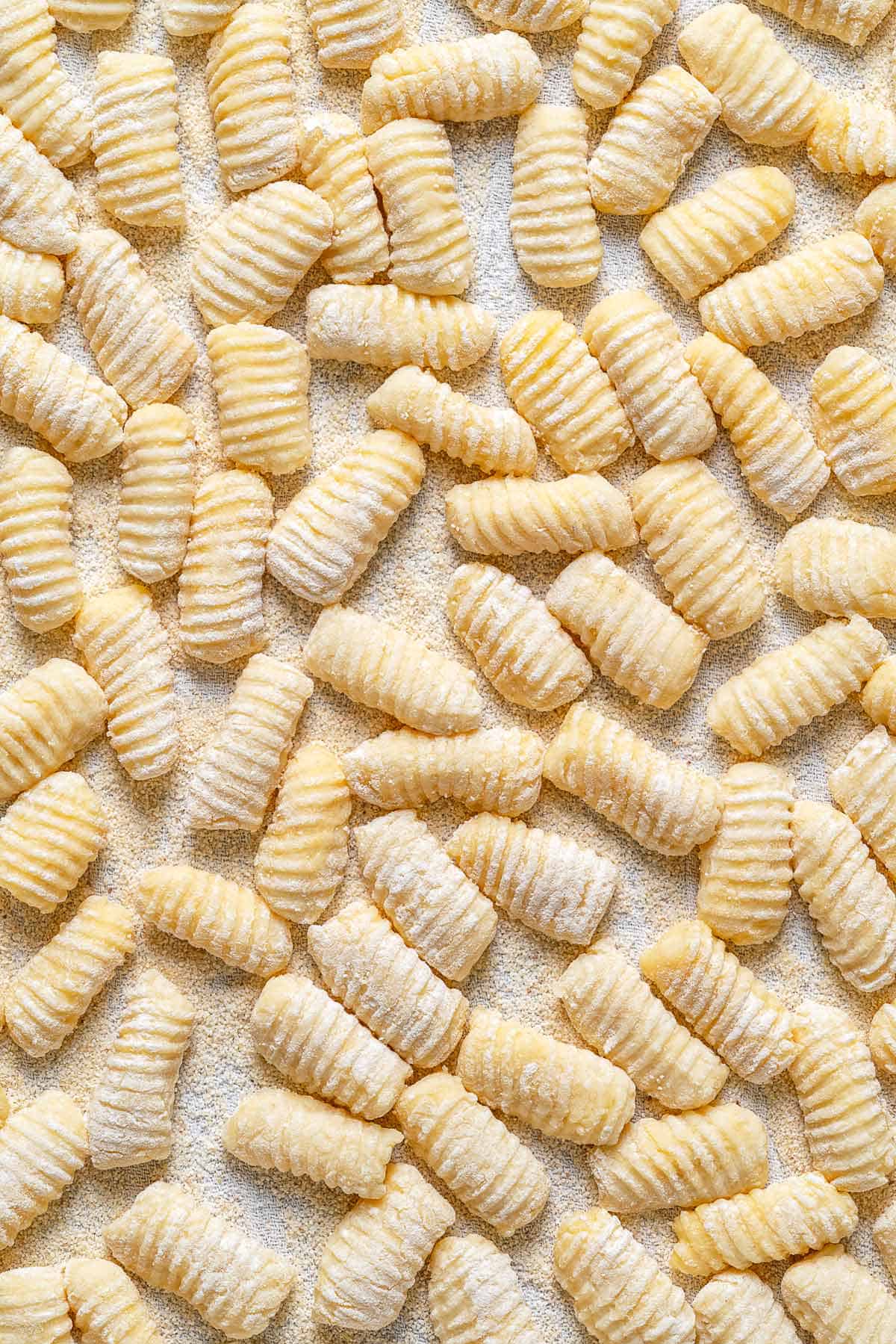
The Potato Gnocchi I Grew Up With
Potato gnocchi became a favorite Sunday dinner in my family. My Italian mom’s handwritten gnocchi recipe has long been my template, and I especially love the buttery flavor and fluffy texture of Yukon Gold potatoes. Allow about 1 hour and 40 minutes, including resting time, for this hands-on cooking project.
But my mom’s first attempt was another story. When she and my dad had just started dating, she made him potato gnocchi for dinner. The little dumplings she had worked so hard to shape dissolved into goo in the boiling water. They went out to dinner instead!
Fortunately, she was a perfectionist in the kitchen. She kept experimenting with potatoes, flour amounts, and other variables until she could turn out light, tender gnocchi with ease. By the time I came along, they were a Sunday favorite.
Even with a good recipe, gnocchi take a little practice. The potatoes need to release excess moisture, and the dough needs enough flour to hold together without becoming dense. I’ll walk you through those details, including what the dough should feel like and how to check a few dumplings before shaping the whole batch.
Have your sauce ready, too. Once these soft little dumplings are cooked, they’re best gently coated with warm sauce and brought straight to the table.
What Are Gnocchi?
Gnocchi, pronounced “NYOH-key,” are small Italian dumplings. Potato gnocchi are made by gently combining cooked potatoes with flour and egg, rolling the dough into ropes, and cutting it into bite-sized pieces.
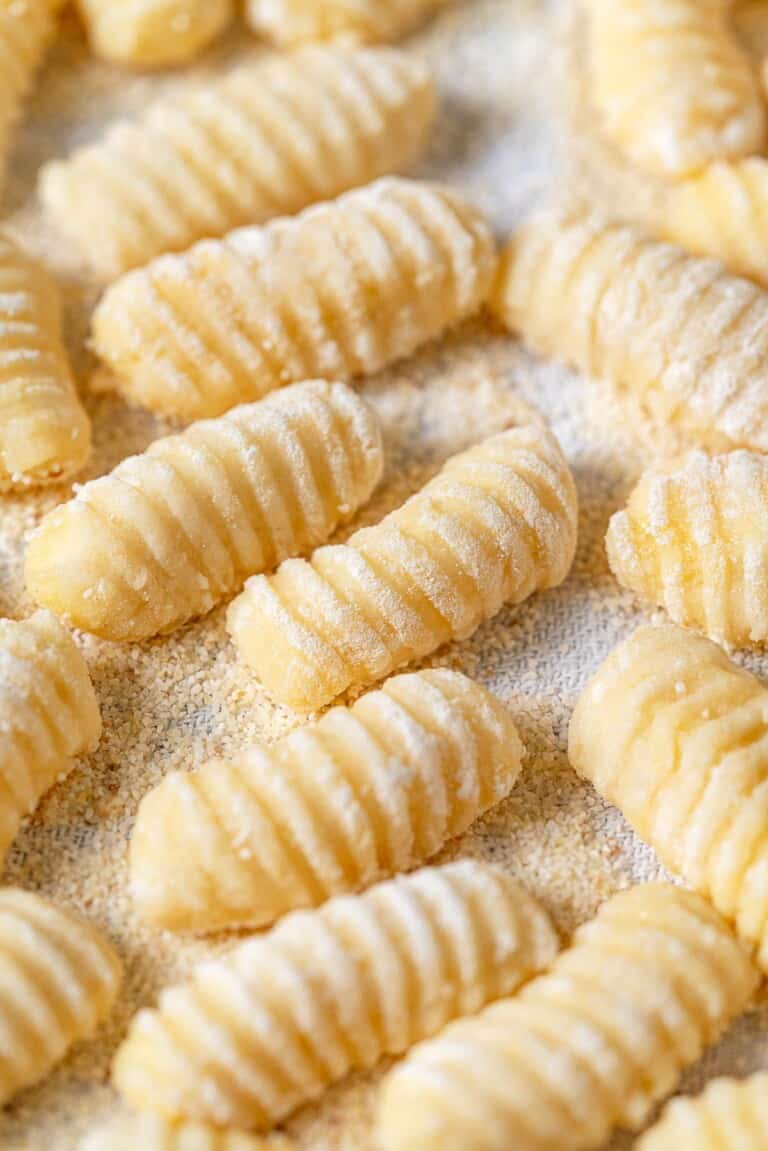
You can leave the pieces plain or roll them over a fork or a ridged wooden gnocchi board. Those ridges help hold the sauce, while the small indentation on the other side helps the dumplings cook evenly.
Potatoes aren’t the only starting point for gnocchi. Italian cooks also make them with ingredients such as ricotta, breadcrumbs, polenta, and semolina. For another approach, try homemade ricotta gnocchi.
Gnocchi are enjoyed throughout Italy, including Abruzzo, where my family is from. We ate them on Sundays, but in Rome, Thursday is traditionally gnocchi day: Giovedì gnocchi.
Ingredients for Homemade Gnocchi
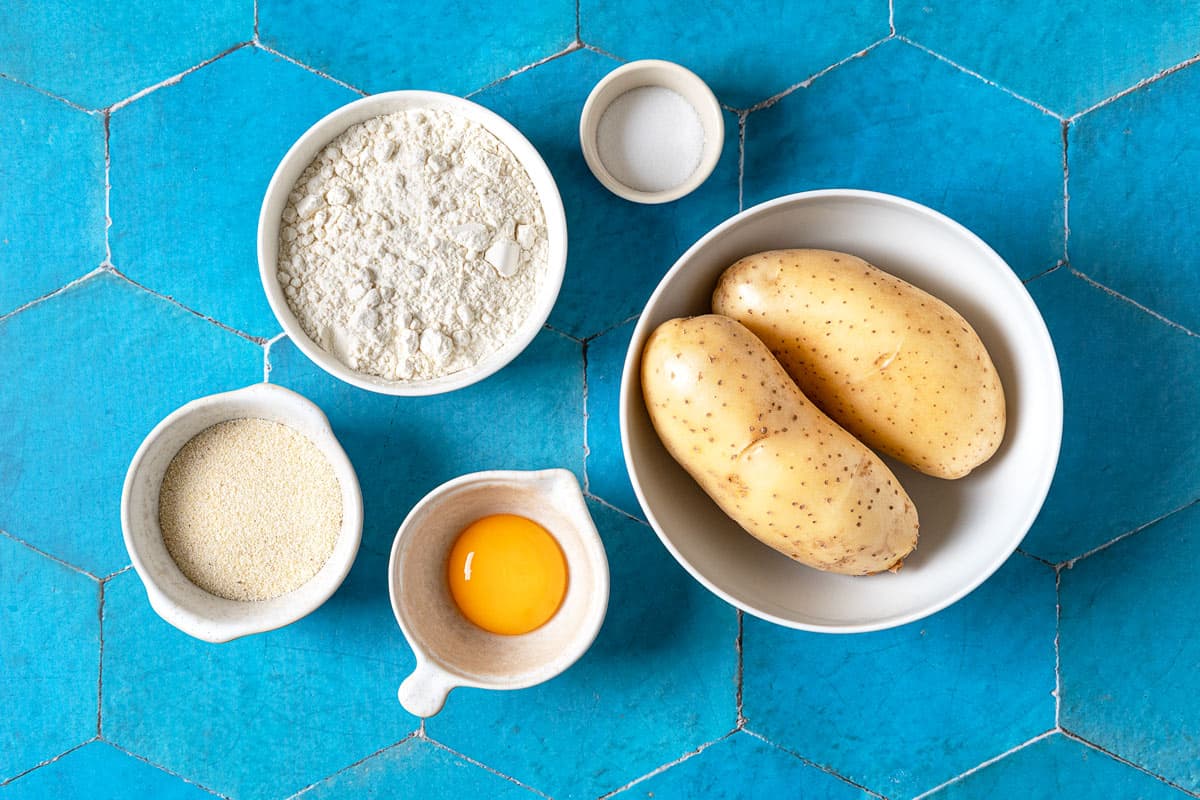
Four ingredients make the dough: potatoes, flour, egg yolk, and salt. Choosing the potatoes carefully and using a restrained amount of flour will help you get tender dumplings.
- Yukon Gold potatoes: I find baking potatoes such as russets dry and floury. My favorites for gnocchi are Yukon Gold or other yellow potatoes, with their rich, buttery flavor and creamy, fluffy texture. Choose mature, large potatoes rather than new or baby potatoes, which hold more moisture. Boil them whole with their skins on and peel them afterward.
- Unbleached all-purpose flour: One scant cup per pound of potatoes helps bring the dough together. A scant cup means slightly less than a full cup. Keep extra flour nearby for dusting and small adjustments, but resist adding more simply to make the dough look smooth.
- Egg yolk: I like gnocchi to be fluffy but to have a little richness and substance, too. For this 1-pound batch, I use one large egg yolk to help the dumplings hold their shape.
- Fine salt: A little salt brings out the potatoes’ savory flavor. You’ll also salt the water for boiling the potatoes and cooking the gnocchi.
- Semolina flour, optional: I like semolina for dusting the work surface, tools, and trays because it is less readily absorbed than all-purpose flour. It’s a flour made from durum wheat; here, it is used to prevent sticking rather than mixed into the dough. All-purpose flour works for dusting, too.
- Pasta sauce: Have 3 to 4 cups of your chosen pasta sauce ready for serving. Homemade tomato sauce and fresh basil pesto are both good options.
- Parmesan or Pecorino, optional: Finish with freshly grated cheese if you like.
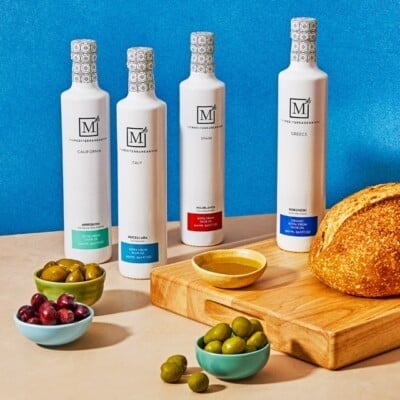
If you’re making the butter and sage sauce suggested below, Nocellara Italian extra virgin olive oil is a useful addition to your pantry. The oil goes into the sauce, not the gnocchi dough.
Tools for Making Gnocchi
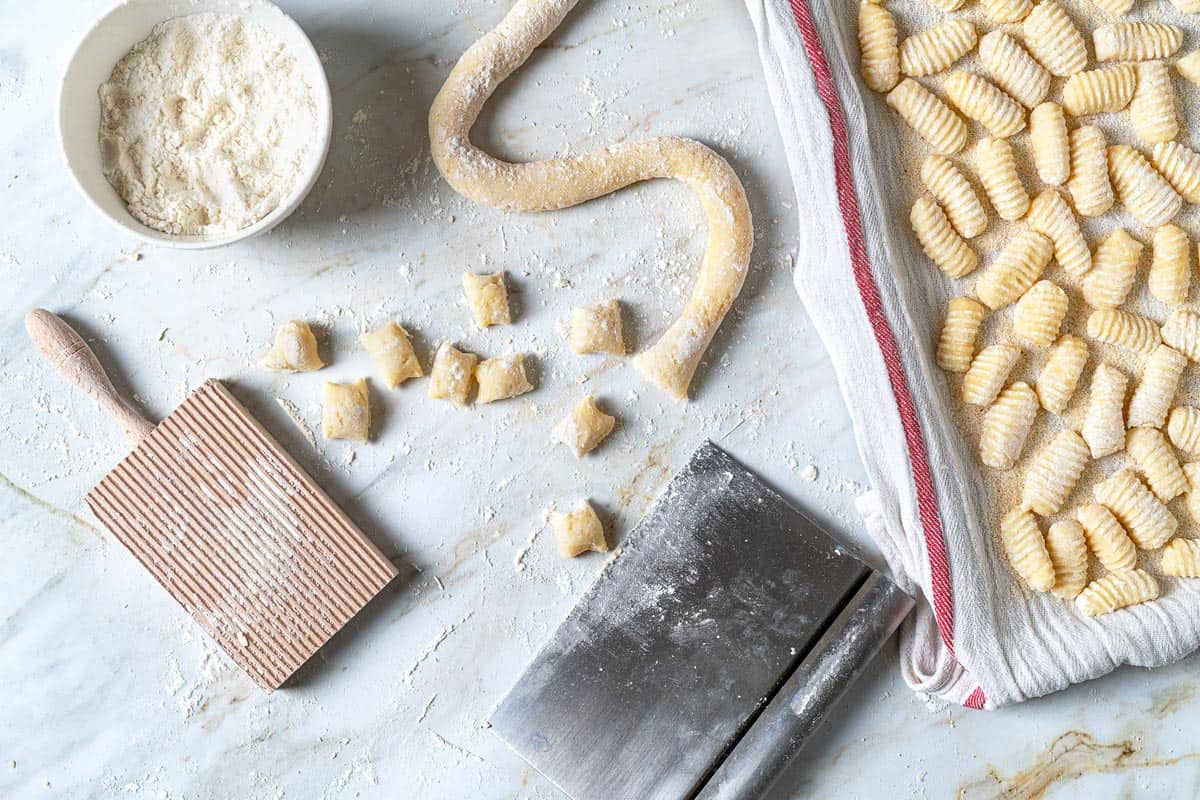
You don’t need fancy equipment, but a few simple tools make it easier to handle the potatoes and dough gently.
- Potato ricer or food mill: A ricer presses cooked potatoes through small holes, creating an airy mound rather than a dense mash. A food mill produces a similar result. Without either tool, mash with a fork, fluffing the potatoes as you go to incorporate air.
- Bench scraper: I use this to sweep flour into the potatoes and cut it through the mixture without overhandling the dough. It also makes quick work of dividing the dough and cutting the ropes into small pieces. You can mix gently with your hands or a wooden spoon and use a knife for cutting.
- Gnocchi board or table fork: A ridged wooden board, called a rigagnocchi, makes evenly spaced grooves. A fork works, too: my mom used one for years, and no one ever complained! Both tools create ridges on one side and a small thumb indentation on the other to capture sauce.
- Rimmed baking sheets and clean kitchen towels: Have one or two large trays ready to hold the shaped gnocchi without touching. Line them with clean towels and dust generously with semolina or all-purpose flour. A clean, flour-dusted tablecloth spread over your kitchen table is another option.
How to Make Potato Gnocchi
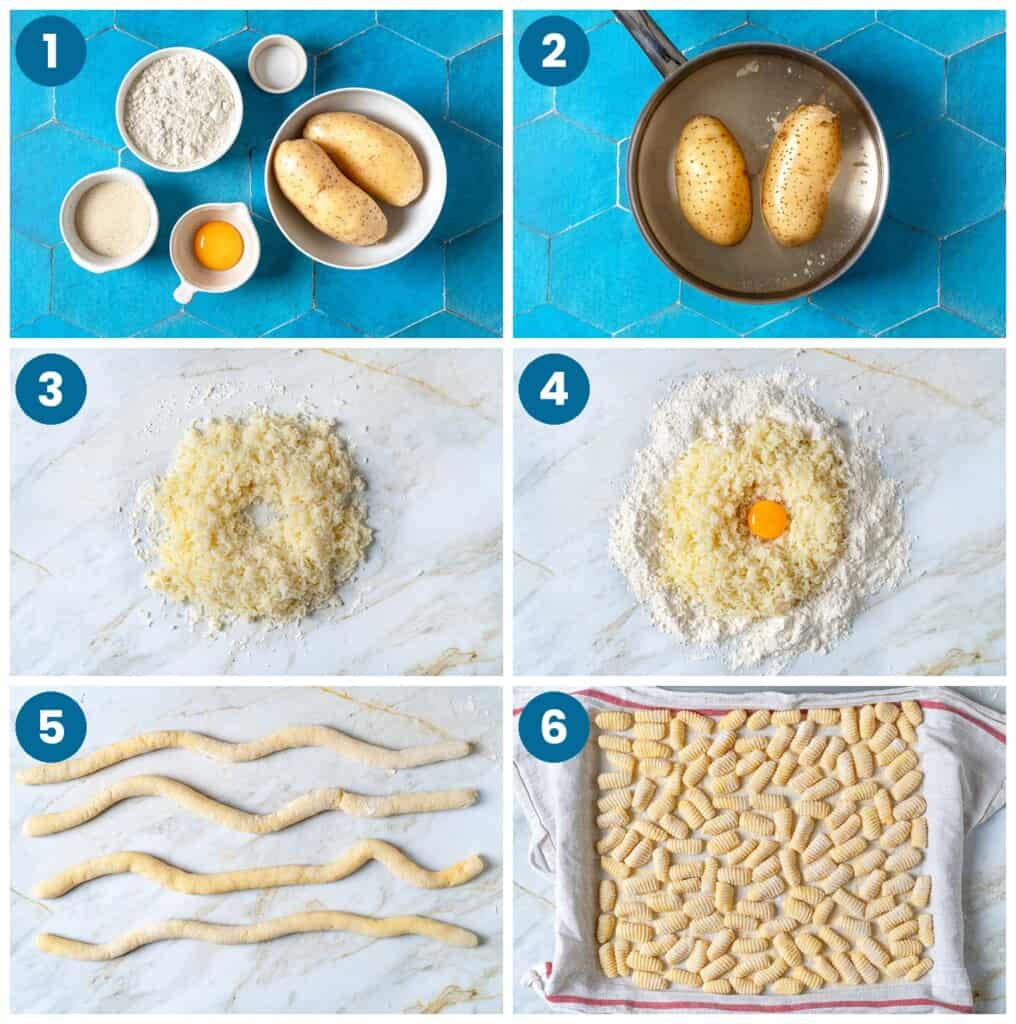
The key is a light hand, from mixing the dough to lifting the cooked dumplings out of the water. Look for the texture cues as you work: fluffy potatoes, soft and slightly tacky dough, and tender gnocchi that hold their shape.
- Boil the potatoes. Scrub 1 pound of Yukon Gold potatoes, leaving the skins on. Arrange them in a single layer in a deep pot and cover with at least 2 inches of water. Add 1 tablespoon of salt and bring to a boil over medium-high heat. Partially cover and boil for 25 to 30 minutes, until a paring knife or cake tester slides easily in and out of the potatoes.
- Drain and release the steam. Drain the potatoes, then cut a slit into each one so steam and excess moisture can escape. Let cool for about 15 minutes, until you can handle them comfortably but they are still warm.
- Rice the potatoes. Lightly flour a clean work surface. Peel the warm potatoes, cut them into quarters, and pass them through a potato ricer or food mill onto the surface. Without either tool, mash and fluff with a fork. Let the mound cool until just slightly warm to the touch.
- Mix in the yolk and flour. Make a well in the center of the potatoes and add 1 large egg yolk and a pinch of fine salt. Sprinkle 1 scant cup of unbleached all-purpose flour around the perimeter. Beat the yolk with a fork, gradually drawing in the potatoes and some flour. Switch to a bench scraper and gently cut the remaining flour into the potatoes until you have a crumbly mixture.
- Bring the dough together and rest. With your hands, lightly press and pat the mixture into a soft ball. It should feel pliable and slightly tacky, with a rough, shaggy appearance rather than a smooth surface. If it is too sticky to handle, gently incorporate another 1 to 2 tablespoons of flour. Cover with a bowl or clean towel and rest for a few minutes, no more than 10. Scrape away any hard or stuck bits from the work surface. If you’re unsure whether the dough will hold together, shape and cook a few test gnocchi before rolling the rest. See the troubleshooting tips below if they fall apart.
- Prepare the trays and roll the dough. Line one or two rimmed baking sheets with clean kitchen towels and dust with semolina or all-purpose flour. Lightly flour your palms and sprinkle just a little flour onto the work surface. Divide the dough into four pieces, each about the size of a tangerine, and gently roll each into a rope about 3/4 inch thick.
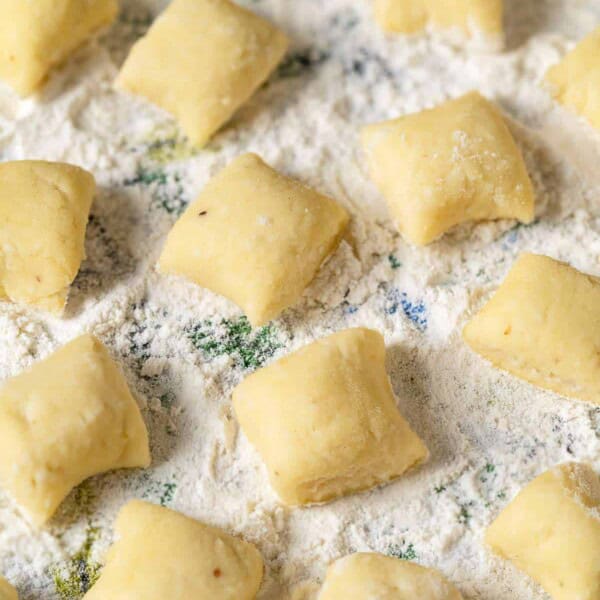
- Cut and shape the gnocchi. Lightly flour the ropes and cut into 3/4-inch pieces with a knife or bench scraper. Roll each piece down a gnocchi board or the tines of a fork, using your thumb to propel it downward. You should have ridges on one side and a small indentation on the other. Transfer to the prepared trays without letting the pieces touch, dusting your fingers and tools as needed. You’ll have about 120 gnocchi.
- Air-dry and heat the sauce. Let the shaped gnocchi dry uncovered for 30 minutes. Meanwhile, bring a large pot of water to a rolling boil and season with salt. Warm your pasta sauce and spoon a little into a large, shallow serving bowl.
- Cook in batches. Carefully lower the gnocchi into the boiling water without overcrowding the pot; I usually cook about 20 at a time. They will begin floating within 30 to 45 seconds. Taste one: it should be tender, intact, and cooked throughout, with no raw flour taste. Lift the cooked gnocchi out with a skimmer or slotted spoon and transfer to the serving bowl. Gently coat with sauce, then repeat with the remaining batches.
- Finish and serve. Spoon more sauce over the gnocchi and toss very gently. Divide among serving bowls, finish with grated Parmesan or Pecorino if using, and serve immediately.
Tips for Potato Gnocchi
The texture of your potatoes and even the humidity in your kitchen can affect the dough. Use these cues to guide small adjustments rather than adding flour or kneading until everything looks perfectly smooth.
- Let moisture escape before mixing. Keep the potatoes whole and unpeeled while boiling, then slit them after draining. Rice them while warm so steam can escape from the mound. Wet potatoes make it harder to achieve tender gnocchi without adding too much flour.
- Aim for soft and shaggy dough. Slight tackiness is expected. Pat the mixture together gently instead of kneading it as you would pasta dough. Trying to create a smooth, elastic ball can lead to overworking and dense dumplings.
- Flour selectively. Dust your hands, shaping tools, and trays enough to prevent sticking, but use only a little flour where you roll the ropes. The dough needs some traction against the work surface.
- Test a few dumplings if you’re unsure. Before shaping the whole batch, roll and cook a few gnocchi. If they stay intact, continue. If they fall apart, gently pat a little more flour into the remaining dough and test again.
- Plan to cook or freeze promptly. Fresh gnocchi are best cooked within about an hour of shaping. Have the sauce made and heated before cooking so the tender dumplings can go straight from the water into the sauce.
Troubleshooting for Homemade Gnocchi
A little practice helps you recognize the right texture. Here are the problems to watch for and the adjustments you can make along the way.
The Potatoes Are Wet Rather Than Fluffy
Drain them well and cut a slit into each potato to release steam. Rice while still warm, then let the mound cool to slightly warm before adding the yolk and flour.
Starting with mature Yukon Gold potatoes and boiling them in their skins helps keep excess moisture in check. Avoid red potatoes, which are too waxy for this approach.
The Dough Is Too Sticky to Roll
Sprinkle a little flour over the dough and gently pat it in. Start with the additional 1 to 2 tablespoons described in the method rather than adding a large handful.
More kneading is not the answer. Overworking can make the dough stickier, tempting you to keep adding flour until the gnocchi become heavy.
The Dough Slides Instead of Rolling
There may be too much flour on the work surface. Start with only a light sprinkling so your palms can roll the dough against the counter.
Use gentle pressure and your fingers to help lengthen the rope. Think of rolling a coil of clay: a light back-and-forth motion rather than pressing hard.
The Gnocchi Stick to the Fork, Board, or Tray
Lightly dust the shaping tool and pieces of dough, adding flour as needed. Keep the finished gnocchi spaced apart on the flour-dusted towels so they don’t stick together while resting.
The Cooking Water Is Excessively Cloudy
Some flour in the water is normal, but heavily coated gnocchi shed excess flour as they cook. Use a soft pastry brush to gently remove loose flour before lowering them into the pot.
The Gnocchi Fall Apart in the Water
Cook a few test pieces before committing to shaping the remaining dough. If they dissolve, use the bench scraper and your hands to gently incorporate a little more flour into the dough.
The yolk helps bind the mixture, but the dough also needs enough flour to hold together. Make the adjustment with a light touch and test again.
The Cooked Gnocchi Look Fuzzy or Taste Dense
Fresh gnocchi that lose their definition may have stayed in the water too long. Taste one after they float, then lift them out promptly once tender and cooked through.
Dense, tough gnocchi can result from too much flour or overworking. That texture cannot be corrected after cooking; the best approach is to start again and handle the next batch more gently.
What to Serve With Potato Gnocchi
Potato gnocchi pair well with several sauces, from a simple tomato sauce to buttery sage. Here are some of my favorite ways to dress them:
- Tomato sauce: A sauce made with fresh or canned San Marzano tomatoes, olive oil, garlic, and basil is a classic pairing. Try homemade spaghetti sauce or the tomato sauce from pasta pomodoro. Sausage ragù, mushroom ragù, and Amatriciana—a tomato sauce with pancetta or guanciale, cured pork jowl—are other options.
- Basil pesto: Fresh basil pesto, with basil, pine nuts, garlic, and cheese, coats the ridges with bright herb flavor.
- Butter and sage: Melt butter with olive oil and stir in a handful of sage leaves. Finish the sauced gnocchi with grated Parmigiano-Reggiano.
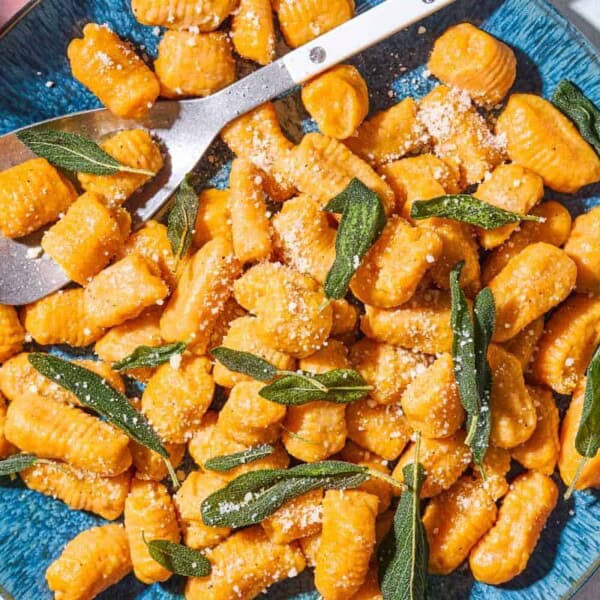
- Butternut squash sauce: Come autumn, I love pillowy gnocchi in creamy orange squash sauce. Try butternut squash pasta sauce and finish with crispy sage.
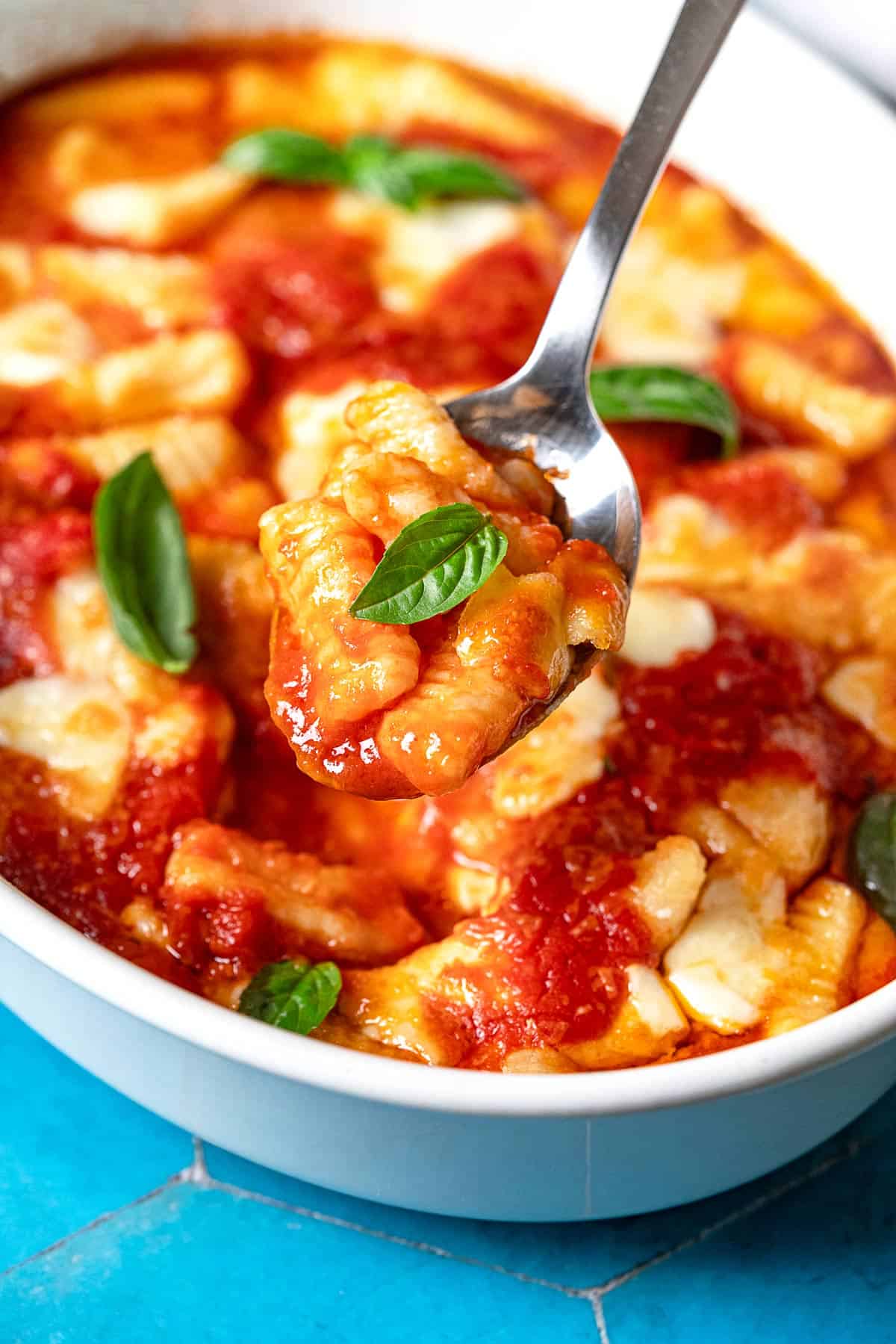
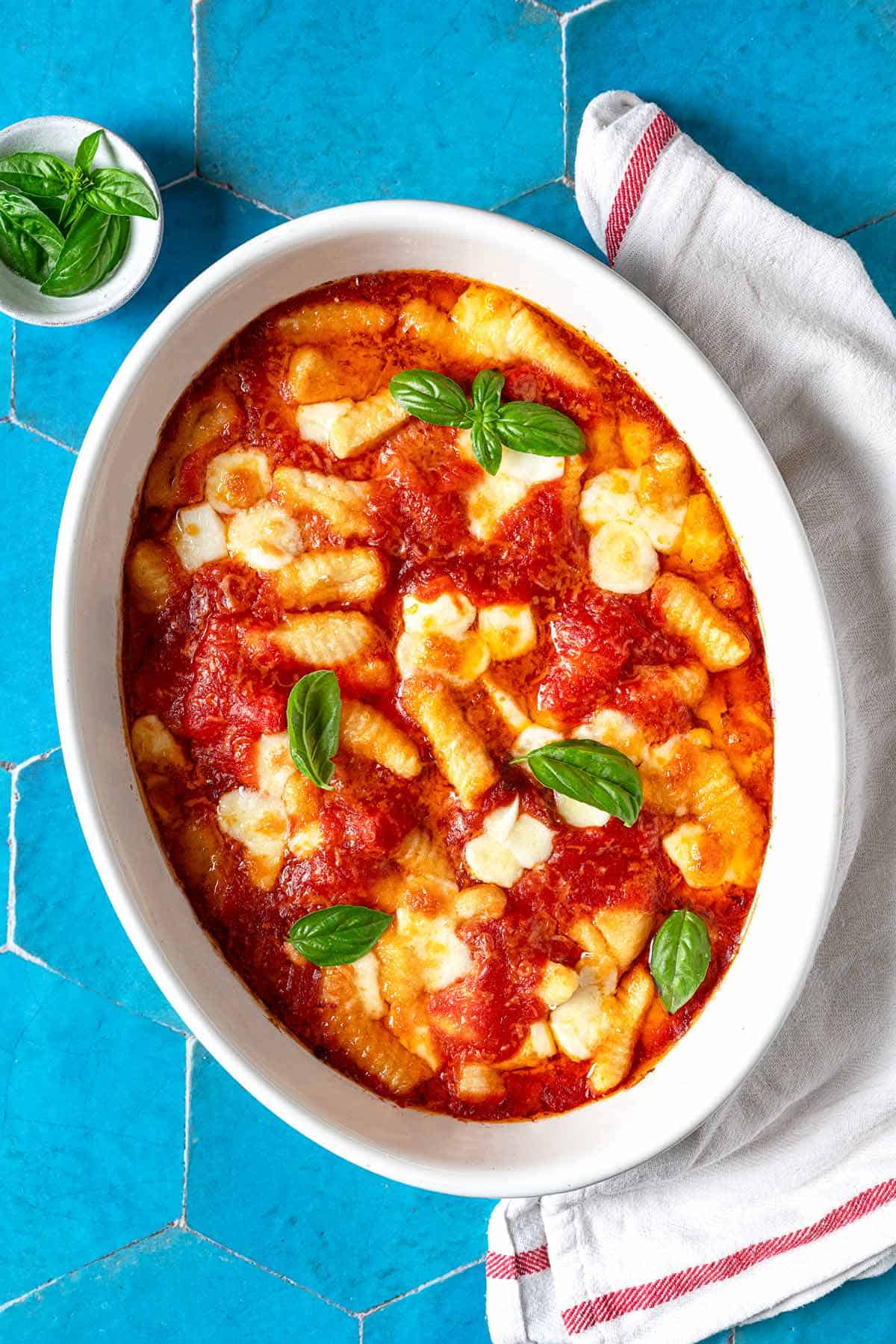
For a baked dish, use the gnocchi in Gnocchi alla Sorrentina, with tomato sauce, mozzarella, and basil. A crisp Italian salad makes a fresh accompaniment.
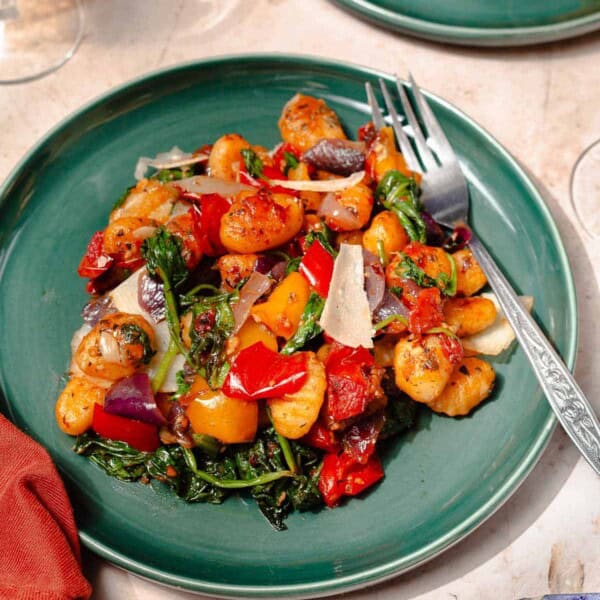
Gnocchi are also useful in soups, such as chicken gnocchi soup. For other ways to enjoy gnocchi, try sheet pan gnocchi with roasted vegetables or pesto gnocchi with vegetables, following those recipes’ ingredient and cooking instructions.
How to Store and Freeze Gnocchi
Gnocchi are best cooked and served soon after shaping. Uncooked gnocchi can absorb moisture and become discolored in the refrigerator, so freezing is my preferred way to make them ahead.
I often freeze a batch for convenience, even though the cooked dumplings can look slightly fuzzier and lose some definition. Here’s how to freeze them without letting the pieces stick together:
- Air-dry the shaped gnocchi. Arrange them on a rimmed baking sheet lined with a clean kitchen towel dusted with semolina or all-purpose flour. Keep the pieces separate and let dry for 30 minutes.
- Freeze until firm. Place the baking sheet in the freezer, uncovered, for 1 to 2 hours, until the gnocchi are completely firm.
- Transfer to a freezer bag. Pack the firm gnocchi into a zipper-lock freezer bag and freeze for up to 2 weeks.
Cook directly from frozen, without thawing. Lower the gnocchi into boiling water in batches, allowing about 30 to 60 seconds longer than for fresh gnocchi. Taste one after they float to check that it is tender and cooked through, then lift them out promptly.
More Gnocchi Recipes To Try
Potato Gnocchi

Ingredients
- 1 pound Yukon gold potatoes (2 large), scrubbed
- Fine salt
- 1 scant cup unbleached all-purpose flour, plus more for dusting
- 1 large egg yolk
- Semolina flour, for dusting (optional)
- 3-4 cups pasta sauce, for serving
- Parmesan or Pecorino cheese, for serving (optional)
Instructions
- Boil the potatoes. Place the whole, unpeeled potatoes in a deep pot or saucepan in a single layer. Add enough water to cover by at least 2 inches, then add 1 tablespoon of salt. Bring to a boil over medium-high heat. Partially cover and boil until completely tender, about 25 to 30 minutes. A paring knife should slide easily in and out of the potatoes.
- Drain and release the steam. Drain the potatoes in a colander. Cut a slit into each potato with a paring knife to let steam and excess moisture escape. Let cool for about 15 minutes, until cool enough to handle but still warm.
- Rice the potatoes. Lightly flour a clean work surface. Peel the potatoes and cut them into quarters. Pass through a potato ricer onto the prepared surface. Make a well in the center of the mound and let the potatoes cool until just slightly warm.
- Incorporate the yolk and flour. Sprinkle the scant cup of flour around the perimeter of the potatoes. Add the egg yolk and a pinch of fine salt to the well. Beat the yolk with a fork, gradually drawing in the potatoes and some flour. Switch to a bench scraper and gently cut the remaining flour into the potatoes until you have a crumbly mixture.
- Bring the dough together and rest. With your hands, lightly press and pat the mixture into a soft ball. The dough should feel pliable and slightly tacky, with a rough, shaggy appearance rather than a smooth surface. If it is too soft and sticky to handle, gently incorporate another 1 to 2 tablespoons of flour. Avoid overworking or adding too much flour. Cover with a bowl or clean towel and rest for a few minutes, no more than 10. Scrape away any stuck bits from the work surface.
- Prepare to shape. Line a rimmed baking sheet with a clean kitchen towel and dust with semolina or all-purpose flour. Have a gnocchi board or fork ready, with extra flour nearby. Sprinkle a little flour onto your work surface. Divide the dough into four pieces, each about the size of a tangerine.
- Roll, cut, and shape. Using your palms, gently roll each piece into a rope about 3/4 inch thick. Lightly flour the ropes, then cut into 3/4-inch pieces with a knife or bench scraper. Roll each piece down the gnocchi board or the tines of a fork, using your thumb to propel it downward. This creates ridges on one side and a small indentation on the other. Transfer to the prepared baking sheet without letting the pieces touch. Dust your hands, tools, and work surface as needed. You should have about 120 gnocchi.
- Air-dry and prepare the sauce. Let the gnocchi air-dry for 30 minutes. Meanwhile, bring a large pot of water to a rolling boil and season with salt. Heat your pasta sauce and spoon a little into a large, shallow serving bowl.
- Cook in batches. Carefully lower the gnocchi into the boiling water without overcrowding the pot. They will begin to float within 30 to 45 seconds. Taste one: it should be light and tender, intact, and cooked throughout, with no raw flour taste. Lift out with a large skimmer or slotted spoon and transfer to the serving bowl. Gently coat with sauce. Repeat with the remaining batches, adding more sauce as needed.
- Finish and serve. Divide among serving bowls, spoon additional sauce over the top, and finish with freshly grated Parmesan or Pecorino if using. Serve immediately.
Recipe Notes
- Without a potato ricer: Use a food mill, or mash the warm potatoes with a fork, fluffing them as you go to incorporate air.
- Prevent sticking: Lightly flour the gnocchi board or fork as needed. Keep the shaped gnocchi separate on the flour-dusted towel.
- Use a light touch: Slightly tacky, shaggy dough is expected. Too much flour or vigorous kneading can make the dumplings dense.
- Test if needed: Before shaping the whole batch, cook a few gnocchi. If they fall apart, gently pat a little more flour into the remaining dough and test again.
- Make ahead and freeze: Gnocchi are best cooked and served soon after shaping. To make ahead, freeze the shaped gnocchi for up to 2 weeks. After the 30-minute air-drying period, freeze them uncovered on the baking sheet for 1 to 2 hours, until completely firm. Transfer to a zipper-lock freezer bag.
- Cook from frozen: Do not thaw. Cook in boiling water in batches, allowing 30 to 60 seconds longer than for fresh gnocchi. Taste one after it floats to confirm it is cooked through, then lift out promptly.
- Shop this recipe: Visit The Mediterranean Dish shop for Mediterranean pantry ingredients, including Nocellara Italian extra virgin olive oil for a butter and sage serving sauce.
Nutrition
Nutrition information is automatically calculated, so should only be used as an approximation.
Shop Suzy’s curated selection of Mediterranean olive oils, spices, and more.
Bundle and Save!
Four of our best-selling signature olive oils, perfect for everyday use.









This is my third attempt at making gnocchi, where the first two failed miserably! I doubled the recipe so I could freeze some. I also boiled a couple before I finished rolling them out to make sure these weren’t going to fail also. To my surprise they were perfect!
Yay!
i’ve tried several various recipes, and this one was by far, the BEST. my gnocchi came out light and fluffy like pillows. I made 2x the amount and will freeze the rest so i can fry them and make pesto so my son can eat it at lunch during school!
Wonderful recipe… first time making gnocchi and it turned out perfectly!
I froze them until ready to use and they cooked up beautifully!
it was east to come together. I used a box grater for ricing the potatoes which was fine. but the texture when cooked was kind of pasty, mushy not firm. the consensus was firm is better. how do I achieve that? more flour? cannot edit comment but I meant easy not east!
Hi, Andrea. No, I don’t recommend adding more flour… that can sometimes make the gnocchi tough in the end. Next time, be sure to spread the potato mash out very well to cool (the escaping steam will reduce the moisture). Also, if you start to roll the dough itself, and it’s not dry enough, go back and continue to work a bit more until it dries out a little bit more.
I suspect using a product such as King Arthur’s One for One Gluten Free flour would work. You use the same measurements as you would with all purpose flour for other baking recipes. Only way to know for sure is to try it out. Good luck!
Great. This time I printed it. It’s so good!
I give this gnocchi recipe five stars because I think it gives the right ratio of flour to potato. Other recipes usually call for too little flour and you end up with mashed potato dumplings instead of a pasta.
Hi Tulsi, Devin here from the Mediterranean Dish team. So happy to hear your potato gnocchi turned out so well! Thank you for taking the time to review and comment. Here are some favorite recipes in case you have some delicious gnocchi left over: Gnocchi alla Sorrentina, Chicken Gnocchi Soup, Sheet Pan Gnocchi with Roasted Vegetables. Happy cooking! 🙂
Haven’t tried it yet, but it sounds like it will be delicious
My first time making gnocchi and it was amazing!! My husband and I went to New York and had dinner at La Masserria NYC before heading to a broadway show. I ordered the gnocchi and I’ve thought about it every day since (this was two weeks ago). I finally got the chance to try my hand at this recipe and I followed it almost exactly. I didn’t have a potato ricer but I used a fork and fluffed as I went. In the end this resulted in some potato chunks instead of a smooth consistency but it was hardly noticeable. I also didn’t have the gnocchi board but I used that handy fork again and it worked just fine. I didn’t know how to measure a pound of potatoes so I just guessed and ended up not using as much flour. Those were my only deviations and they turned out light and fluffy and delicious. For the sauce, I wanted to replicate the radicchio and taleggio sauce from La Masseria but Kroger didn’t have that so I used red cabbage and Gruyère instead. I sautéed strips of red cabbage but with butter then added chicken stock and let it simmer then added heavy cream and brought that to a boil then added the cheese and took it off the heat while it melted. In the end, it was exactly like I remember and I’m so happy with the final product.
Hi, Elisabeth! I’m Summer and I work here at The Mediterranean Dish. Your trip to New York and the lovely dinner you had there sounds incredible! I love the sauce you made for the gnocchi and I’m glad the recipe helped you relive fond memories. Now that you’re a gnocchi expert you might want to try your hand at few other gnocchi recipes. We have a delicious baked gnocchi recipe, and a ricotta gnocchi recipe that is wonderful with just some sauteed sage leaves, olive oil, salt, and pepper. Thanks for sharing your experience and story with us. We so appreciate it.
could these be made gluten free?
Hi, Doris. I’m sure with some adjustments, they could be. It’s just not something we’ve test before with this particular recipe, so it’s hard to advise on specifics. If you give it a try, please stop back and share your thoughts!