Braised Chicken Breast with Caramelized Shallots and Sage


This post may contain affiliate links. Please read our disclosure policy.

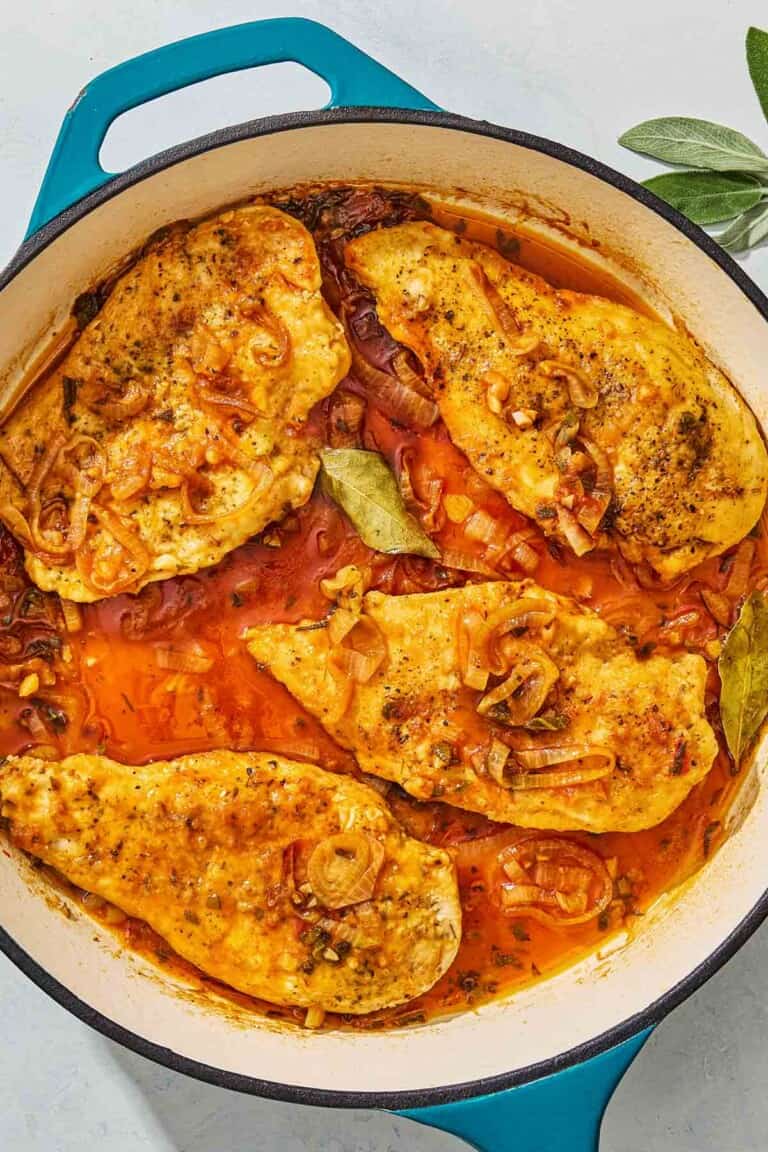
Braised chicken breast with caramelized shallots and sage brings golden chicken cutlets and a savory white wine sauce to the table, finished with lemon and a little butter.

Braised Chicken with Caramelized Shallots and Sage
Inspired by chicken stifado from Northern Greece, this braised chicken breast is a simple version my family loves. Jammy shallots and fresh sage flavor the white wine sauce, with enough to spoon over the chicken and whatever you serve alongside it.
Like Greek beef stifado, chicken stifado has many variations, some made with a whole chicken and additional vegetables. Here, I use boneless chicken breasts, sliced and pounded into thin cutlets, for a dinner that’s ready in about 45 minutes.
Braising means browning the chicken first, then finishing it in liquid in a covered or partially covered pan. Everything cooks on the stovetop: the chicken leaves flavorful browned bits behind, the shallots soften in the same skillet, and white wine lifts those bits into the sauce.
A squeeze of lemon at the end balances the sweet shallots and buttery sauce. Serve with rice, orzo, or roasted vegetables, and spoon a little sauce over each portion.

Ingredients for Braised Chicken Breast
The shallots, sage, and white wine give the sauce its character. Have the shallots sliced, the garlic and sage minced, and the remaining ingredients measured before you start browning the chicken.
- Chicken breasts: Use boneless, skinless breasts. Slice them horizontally into cutlets, then pound to an even ¼-inch thickness so there aren’t thick sections alongside thin edges.
- Sea salt and black pepper: Season both sides of the chicken before dredging it in flour. Taste the sauce again before serving, since the stock also contributes salt.
- Dried Greek oregano: This fragrant herb seasons the chicken itself, giving it flavor beneath the flour coating. I use dried Greek oregano.
- Flour: A light coating helps the chicken brown and gives the pan sauce a little body. Shake off the excess after dredging; you want a thin coating rather than a thick layer.
- Extra virgin olive oil and butter: Use extra virgin olive oil and half the butter to brown the chicken. Stir the remaining butter into the sauce at the end for richness.
- Shallots: These small members of the onion family have a mild flavor and become sweet as they caramelize. Slice them so they soften into strands you can spoon over the chicken.
- Garlic: Mince the cloves so they distribute throughout the sauce. Add them after the shallots have caramelized; they need only a brief cook before the tomato paste goes in.
- Fresh sage and dried bay leaves: Sage gives the sauce its distinctive earthy aroma. The bay leaves add another herbal layer as the chicken braises.
- Tomato paste: A tablespoon adds concentrated savory flavor without turning the dish into a tomato sauce. Cook it with the aromatics before adding the wine.
- Dry white wine: The wine adds acidity and loosens the browned bits from the skillet. Let most of it evaporate before adding the chicken and stock.
- Chicken stock: Use homemade chicken stock, a good store-bought stock, or bouillon diluted in warm water. Heat it before adding it to the skillet so it doesn’t interrupt the simmer.
- Lemon: Add the juice at the end to brighten the sauce after it has reduced.

How to Make Braised Chicken Breast
Use a large, deep skillet with a lid. You’ll brown the chicken first, build the shallot sauce in the same pan, then return the chicken to finish cooking.
Prepare the Chicken and Aromatics
- Prep the aromatics and warm the stock. Slice 2 large shallots, mince 2 large garlic cloves, and mince enough fresh sage leaves to make 2 tablespoons. Warm 1 cup chicken stock in a small saucepan over medium-low heat.
- Make the cutlets. Pat 1½ pounds boneless, skinless chicken breasts dry. Slice each breast in half horizontally to make 4 thin cutlets. Place each piece between two sheets of plastic wrap and pound to an even ¼-inch thickness with a meat tenderizer.
- Season and dredge. Season the chicken generously on both sides with sea salt, freshly ground black pepper, and 1 teaspoon dried Greek oregano. Put ¼ cup flour in a wide, shallow bowl. Coat each cutlet on both sides, shake off the excess, and transfer to a plate.

Brown the Chicken and Build the Sauce
- Brown the chicken. Set the skillet over medium-high heat and add 1 tablespoon extra virgin olive oil and 1 tablespoon butter. Once the butter melts, but before it browns, add the chicken. Cook for 3 to 4 minutes per side, until golden brown, working in batches if needed. Transfer to a clean plate and cover loosely with foil while you make the sauce.

- Caramelize the shallots. Add the shallots to the same skillet. Cook, stirring occasionally, until tender and caramelized, scraping up the browned bits left by the chicken. If the pan seems dry, add a little more olive oil.
- Add the garlic, sage, and tomato paste. Stir in the garlic and sage and cook for about 1 minute. Add 1 tablespoon tomato paste, stir to combine, and cook for 2 minutes.
- Deglaze with wine. Pour in 1 cup dry white wine, scraping the bottom of the skillet to loosen any remaining browned bits. Turn the heat to high and bring to a vigorous simmer. Cook until most of the wine has evaporated and the sauce has reduced and thickened slightly.

Braise, Finish, and Serve
- Braise the chicken. Return the chicken and any juices collected on the plate to the skillet. Pour the warm stock over the chicken and add 2 bay leaves. Reduce the heat to medium and partially cover with the lid. Braise for about 20 to 25 minutes, depending on the thickness of the chicken, turning the pieces a couple of times to coat them in the sauce. Add more warm stock if needed as the liquid reduces.

- Finish the sauce. Once the chicken is cooked through and the sauce has reduced slightly, remove the lid. Stir in the juice of ½ lemon and the remaining 1 tablespoon butter. Remove from the heat and let rest for 5 minutes.
- Serve. Remove the bay leaves. Taste the sauce and adjust the seasoning, then plate the chicken and spoon the shallot-sage sauce over each portion. Serve at once.

Tips for Golden Chicken and a Flavorful Shallot Sauce
A good sear and properly caramelized shallots give the sauce much of its flavor. Take care with these stages before adding the wine and stock.
- Pound the thicker areas evenly. After slicing the breasts into cutlets, check for thicker sections and concentrate your pounding there. Aim for an even ¼-inch thickness without repeatedly pounding the already-thin edges. If you buy small breasts, about 5 to 6 ounces each, you can pound them directly rather than splitting them first.
- Give the chicken room to brown. Pat it dry before seasoning and dredging, and cook in batches if the pieces crowd the skillet. Once a cutlet is in the pan, leave it undisturbed while the underside browns. It should release more easily when the crust has formed; repeatedly lifting or moving it can pull away the coating.
- Let the shallots caramelize before adding the garlic. Look for tender slices with golden-brown edges, rather than stopping as soon as they soften. Stir occasionally and add a little olive oil if the skillet seems dry. The garlic and sage go in afterward so they don’t spend the entire caramelizing stage in the hot pan.
- Reduce the wine before adding the stock. The wine loosens the browned bits from the skillet and carries them into the sauce. Let most of it evaporate and watch for the sauce to thicken slightly before returning the chicken. Adding the stock too soon leaves more liquid to reduce during the braise.
- Watch the sauce as the chicken cooks. Keep the lid partially covering the skillet and check the liquid when you turn the cutlets. If the sauce is reducing too much, add a little warm stock as needed. Warming it first keeps the simmer from stopping.
- Check doneness with a thermometer. The braising time is about 20 to 25 minutes, depending on thickness. Check that the chicken reaches 165°F in the thickest part; for a thin cutlet, insert the thermometer from the side so the tip reaches the center.
Try a Parchment “Hat” for the Pan
For an extra layer of cover during braising, fit a parchment “hat” directly over the chicken. This helps keep the exposed surface moist while the small center vent lets steam escape.
Cut a piece of parchment paper to fit inside the skillet and make a small vent in the center to let some steam escape. Set it directly on the chicken, then place the skillet lid loosely on top, leaving one side slightly open. Remove the parchment and lid before finishing the sauce with lemon and butter.
Simple Ingredient Swaps
A few alternatives work well with the shallot-sage sauce:
- Instead of shallots: Use sweet onions, sliced so they soften into the sauce.
- Instead of fresh sage: Use fresh thyme for a different herbal flavor.
- Instead of white wine: Use additional chicken stock. The sauce will have less of the wine’s acidity, but keep the lemon juice for the bright finish.
- Instead of butter: Use additional olive oil if you prefer to avoid dairy.
- Instead of whole chicken breasts: Start with chicken cutlets, checking that they are an even thickness. Boneless chicken thighs are another option; pound lightly to even them out and check doneness rather than assuming their cooking time will be identical.

What to Serve with Braised Chicken Breast
Anything that catches the shallot sauce is particularly welcome here. Spoon the chicken and sauce over Lebanese rice with vermicelli, plain orzo, or roasted garlic mashed potatoes. Choose one as a base, leaving enough sauce in the skillet to spoon over each plate.
For vegetables, sautéed asparagus is a quick stovetop accompaniment. Or serve briam, Greek roasted vegetables with potatoes and zucchini, for a more substantial side. Start the briam before the chicken so it has time to roast.
Storing and Reheating Braised Chicken
Even when you’re cooking for two, I recommend making all four servings. Save the extra chicken with its shallot sauce so you have both ready to warm for another meal.
- Refrigerate: Divide the chicken and sauce into shallow, covered containers and refrigerate within 2 hours of cooking, or within 1 hour if the surrounding temperature is above 90°F. Use within 3 to 4 days.
- Reheat: Place the portions you need in a skillet with their sauce. Add a little warm chicken stock if necessary, cover, and simmer gently until the chicken reaches 165°F throughout.
- Freeze: Store the chicken and sauce in a freezer-safe container or freezer bag for up to 2 months for best quality. Thaw overnight in the refrigerator, then reheat in a covered skillet, adding a little stock or water as needed.
More Saucy Chicken Recipes to Try
Braised Chicken Breast with Shallots

Ingredients
- 1 1/2 pounds boneless, skinless chicken breasts
- Sea salt
- Freshly ground pepper
- 1 teaspoon dried Greek oregano
- 1/4 cup flour
- 1 tablespoon extra virgin olive oil
- 2 tablespoons butter, divided
- 2 large shallots, sliced
- 2 large garlic cloves, minced
- 2 tablespoons fresh minced sage leaves
- 1 tablespoon tomato paste
- 2 bay leaves
- 1 cup dry white wine
- 1 cup chicken stock, heated
- Juice of half a lemon
Instructions
- Prepare the chicken. Pat the chicken dry and slice each breast in half horizontally to make 4 thin cutlets. Place each cutlet between two pieces of plastic wrap and pound to an even ¼-inch thickness with a meat tenderizer. Season generously on both sides with sea salt, black pepper, and the oregano.
- Dredge the cutlets. Put the flour in a wide, shallow bowl. Coat the chicken on both sides, shake off the excess flour, and transfer to a plate.
- Brown the chicken. Set a large, deep skillet over medium-high heat. Add the olive oil and 1 tablespoon of the butter. Once the butter melts, but before it browns, add the chicken, working in batches if needed. Cook for about 3 to 4 minutes per side, until golden brown. Transfer to a clean plate and cover loosely with foil while you prepare the sauce.
- Caramelize the shallots. Add the shallots to the same skillet and cook, stirring occasionally, until tender and caramelized. Scrape up the browned bits left by the chicken, adding a little more olive oil if the pan seems dry. Stir in the garlic and sage and cook for about 1 minute. Add the tomato paste, stir to combine, and cook for 2 minutes.
- Reduce the wine. Pour in the wine and scrape the bottom of the skillet to loosen any remaining browned bits. Turn the heat to high and bring to a vigorous simmer. Cook until most of the wine has evaporated and the sauce has reduced and thickened slightly.
- Braise the chicken. Return the chicken and any juices collected on the plate to the skillet. Pour the heated stock over the chicken and add the bay leaves. Reduce the heat to medium and partially cover the skillet with a lid. Braise for about 20 to 25 minutes, depending on thickness, turning the chicken a couple of times to coat it in the sauce. Add more warm stock if needed. The chicken should reach 165°F in the thickest part.
- Finish and serve. Once the chicken is cooked through and the sauce has reduced slightly, remove the lid and stir in the lemon juice and remaining 1 tablespoon butter. Remove from the heat and let rest for 5 minutes. Remove the bay leaves, taste the sauce, and adjust the seasoning. Plate the chicken, spoon the shallot-sage sauce over each portion, and serve at once.
Recipe Notes
- Refrigerate: Store the chicken and sauce in shallow, covered containers within 2 hours of cooking, or within 1 hour if the surrounding temperature is above 90°F. Use within 3 to 4 days.
- Reheat: Place the portions you need in a skillet with their sauce. Add a little warm chicken stock if necessary, cover, and simmer gently until the chicken reaches 165°F throughout.
- Freeze: Store the chicken and sauce in a freezer-safe container or freezer bag for up to 2 months for best quality. Thaw overnight in the refrigerator, then reheat in a covered skillet with a little stock or water as needed.
- Shop this recipe: Season the cutlets with fragrant Greek oregano, and use extra virgin olive oil to brown the chicken and caramelize the shallots. Find both in The Mediterranean Dish shop.
Nutrition
Nutrition information is automatically calculated, so should only be used as an approximation.
Shop Suzy’s curated selection of Mediterranean olive oils, spices, and more.
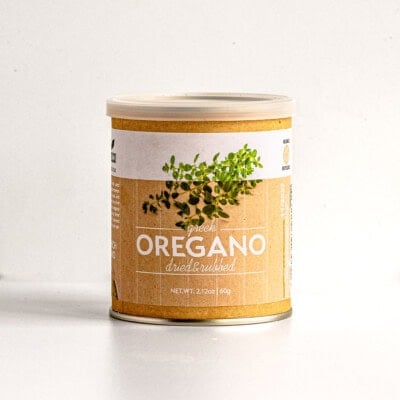
Try Our Greek Oregano!
This dried herb straight from Greece is lemony, fragrant, and perfect for everyday use.












How would a dry red wine be, substituted for the white wine, in this recipe?
This was so good!! Made it with roasted delicata squash and over rice. Perfection!!!
Sounds perfect! Thanks so much for sharing!
This is such a yummy recipe, my husband and I enjoyed it tremendously! Thank you so much for posting your recipes. I’m anxious to try the braised short ribs with sage!
You are very welcome, Sharon! Can’t wait to hear what you think about the short ribs!
My kids requested for this recipe to be added to the routine because they loved it that much.
Wow! That is a HUGE compliment! Yay!
Delicious! Quick question though: I made this with chicken breasts as the recipe calls for, but can I do it with chicken thighs??
Sure! That should work. You may just have to cook the chicken slightly longer.
I am cutting out wheat products. Is there anything I could substitute for flour?
Thanks!
Lisa
Hi, Lisa. We haven’t tested this, but cornstarch may work here. If you give it a try, please come back and share your thoughts! We’d love to know how well it worked.
I used garbanzo beans flour and it worked great!
Will a gluten free flour such as King Arthur work as a gluten-free substitution for regular flour?
Yes, Lisa. That should work just fine. Enjoy!
I ordered the books and am looking forward to trying the recipes.
My new favorite chicken dish. It’s truly delicious. Can’t wait to have it again.
This is really delicious! I made a serving for one. Next time, I will keep the heat at a lower temperature than the recipe calls for. The shallots and garlic were cooking too fast. I used more chicken stock than the recipe called for, but when I checked under the lid after a while, everything was dried up. I quickly added quite a bit more chicken stock, stirred it in and only had to cook for about 15 minutes. Since everything had dried up, the sauce came out very dark, but it was still absolutely wonderful. Can’t wait to make it again!
Thanks so much for sharing your process here, Lynn! Appreciate it!
This was delicious. “An instant winner”, said our 17 year-old son.
Yay! Love it! Thanks, Andy!
Really good. Like chicken crack. I served this with Lemon rice (leftover) and a Lemon Parma Salad, all from this site. Everything was perfect together and I ate too much. Send naps.
I will definitely repeat this one!
Delicious. The real key is that the recipes are presented in such a way that there are no surprises. Very clear and easy to follow.
Thanks, Andrew!
This dish was terrific. I paired it with a simple Italian salad and rice with olive oil and parsley. It’s a keeper. Great flavor and chicken was tender
Can’t wait to try the chicken and artichokes
Thanks so much, Suzanne!
Definitely a keeper! Wonderful sauce
enjoy the meal!
Great to hear! Thanks, Danielle!