Honey and Greek Yogurt Panna Cotta (Easy, Make Ahead Dessert!)


This post may contain affiliate links. Please read our disclosure policy.
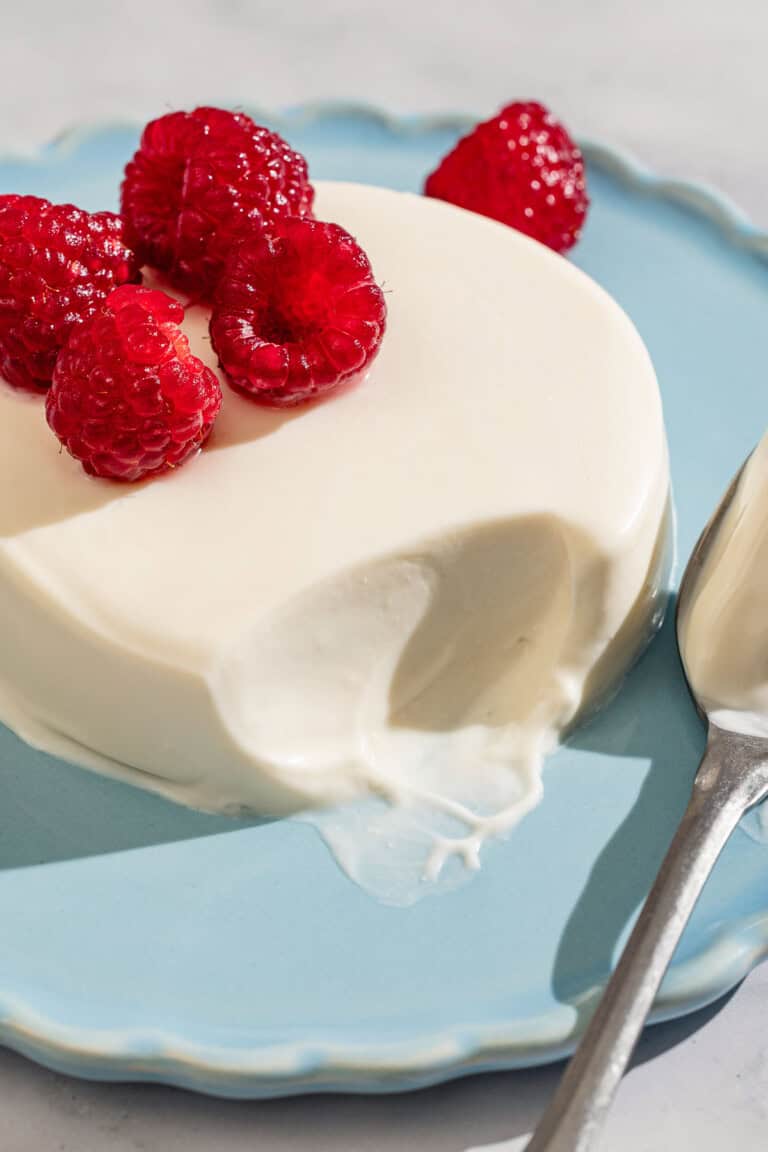
I learned to make classic panna cotta, then adapted it with tangy Greek yogurt and floral honey. This easy, gluten-free dessert takes just 20 minutes to assemble, then it’s chill and serve.
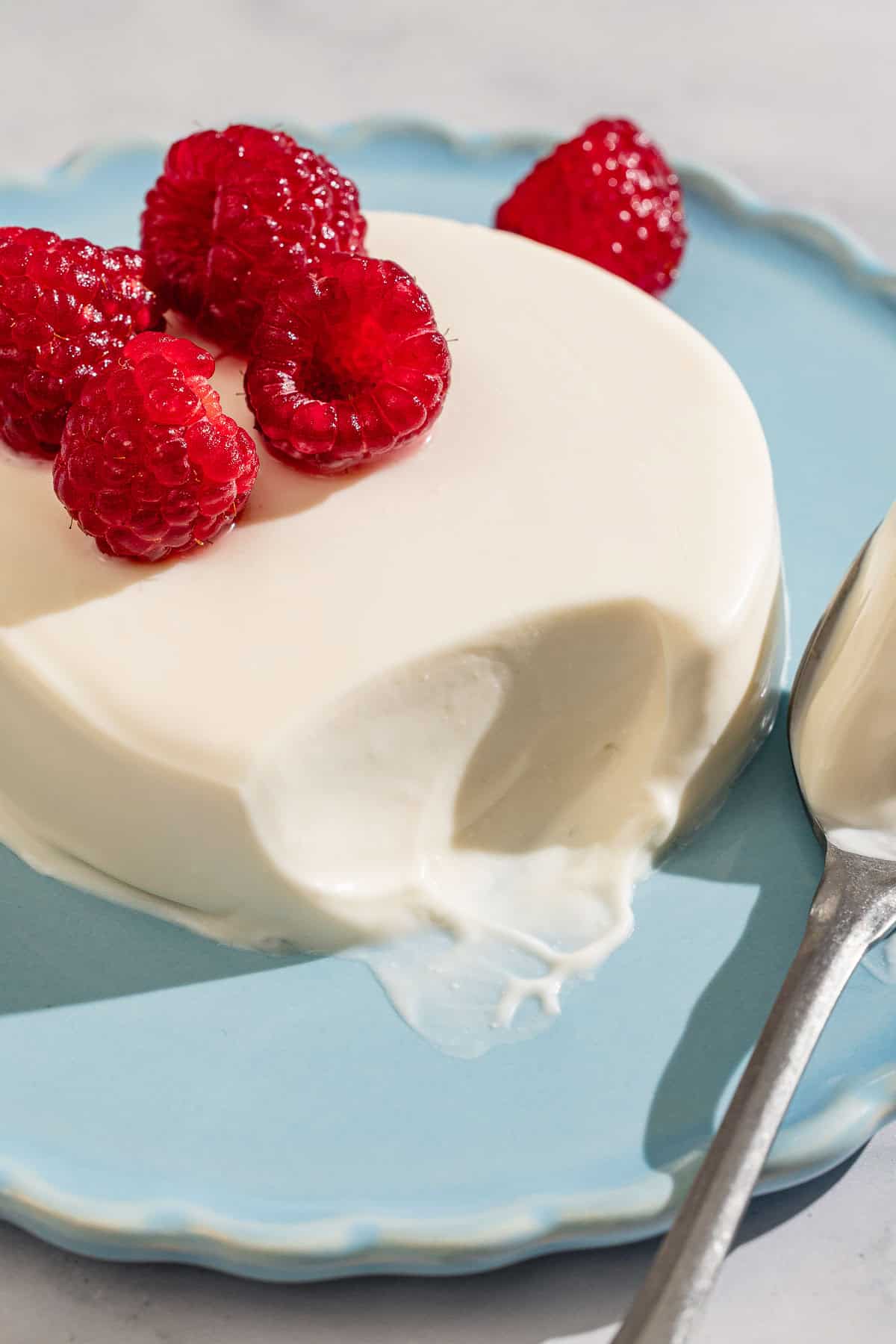
The Dessert I Made by the Dozen at an Italian Restaurant
One of my first jobs was at an Italian restaurant, where I bussed tables in the evenings and helped with prep a couple of times a week. The menu’s signature dessert was vanilla bean panna cotta served with a seasonal fruit coulis.
On the days I helped with prep, I infused the sweetened cream with whole vanilla beans in a stockpot, careful to catch the cream just before it boiled to add the gelatin. Then I used a pitcher to divide the panna cotta among dozens of molds. I loved the clean, creamy flavor and wobbly texture.
I started making panna cotta at home, showing off for family or friends and experimenting with other flavors like coffee, chocolate, or coconut. I loved that it was quick and easy, that I could mix it up with minimal ingredients, and that I could make the day before. Once plated and garnished, it never failed to impress.
One of my favorite versions swaps some of the heavy cream for Greek yogurt, imparting a bright, tangy flavor that’s more interesting than cream alone. I don’t like my panna cotta overly sweet, so I use honey instead of sugar to add a complex floral flavor. Compared to traditional panna cotta, Greek yogurt makes it slightly less wobbly, so I use less gelatin to preserve its creaminess.
What is Panna Cotta?
Panna cotta is a traditional dessert from Piedmont, northern Italy, made with sweetened heavy cream thickened with gelatin. It’s often flavored with vanilla and sometimes rum or Marsala wine. Because it’s thickened with gelatin and not eggs, it’s smoother, lighter, and creamier than thicker custards or flans.
Panna cotta means cooked cream, but the cream is only heated enough to dissolve the sugar and gelatin and to infuse it with vanilla beans or other flavorings. The cream is poured into molds before chilling in the fridge to set. To serve it, I unmold the panna cotta onto a plate and top it with fresh fruit, berry compote, or chocolate. You can also serve it straight from the ramekin, if you prefer.
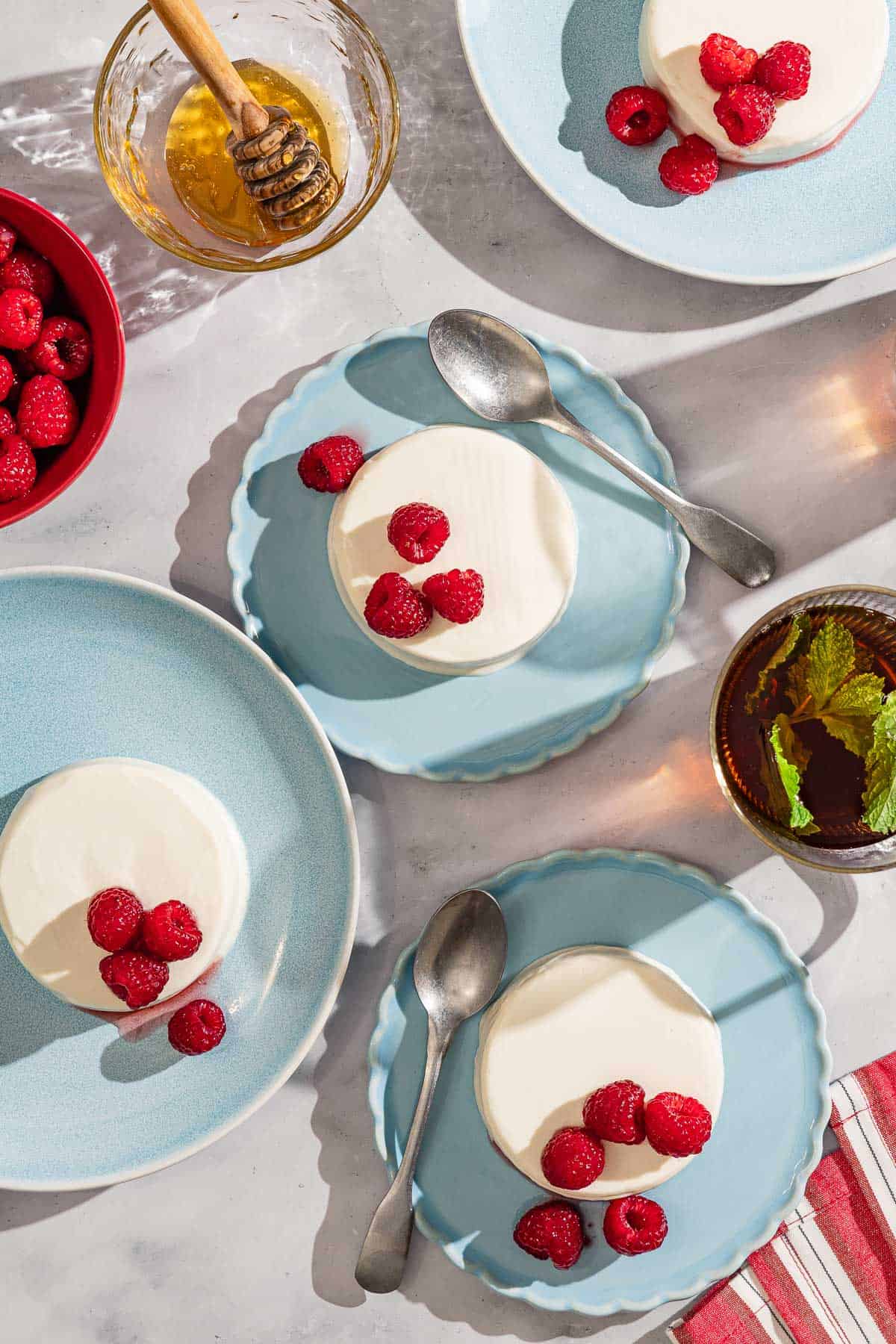
Key Ingredients
For the Panna Cotta
- Greek yogurt: Use unflavored, unsweetened, full-fat Greek yogurt. Choose a high-quality yogurt you enjoy on its own, since the flavor comes through prominently. I don’t recommend reduced-fat Greek yogurt for this recipe.
- Heavy cream will make the richest, creamiest panna cotta. You can substitute half and half to lighten it slightly, but you’ll need to increase the gelatin to 1 1/2 teaspoons to compensate.
- Unflavored gelatin: I use just enough gelatin to set the panna cotta while keeping it creamy.
- Honey: Panna cotta shouldn’t be overly sweet, but honey balances the tang of the Greek yogurt and adds a beautiful, floral flavor. Use a high-quality, flavorful honey, like wildflower or citrus blossom.
- Vanilla: The sweet flavor of vanilla extract rounds out the panna cotta without distracting from the Greek yogurt and honey.
- Vegetable oil: If you plan to unmold the panna cotta, grease the ramekins lightly with a neutral vegetable oil.
For the Macerated Berries
- Fresh berries: My favorites are raspberries, strawberries, blackberries, or a mix.
- Honey boosts the berries’ sweetness and echoes the honey flavor in the panna cotta.
- Lemon juice: A splash of lemon juice brightens the berries’ flavor and prevents browning.
How to Make Greek Yogurt Panna Cotta
Greek yogurt panna cotta needs at least 4 hours to set before serving, but I prefer to chill it overnight. If unmolding the panna cotta seems daunting, serve it directly in the ramekins, or use pretty glasses instead. Here’s how to make it:
- Grease the ramekins. Lightly grease the inside of 6 (6-ounce) ramekins with vegetable oil. If you don’t plan on unmolding the panna cotta, leave them ungreased.
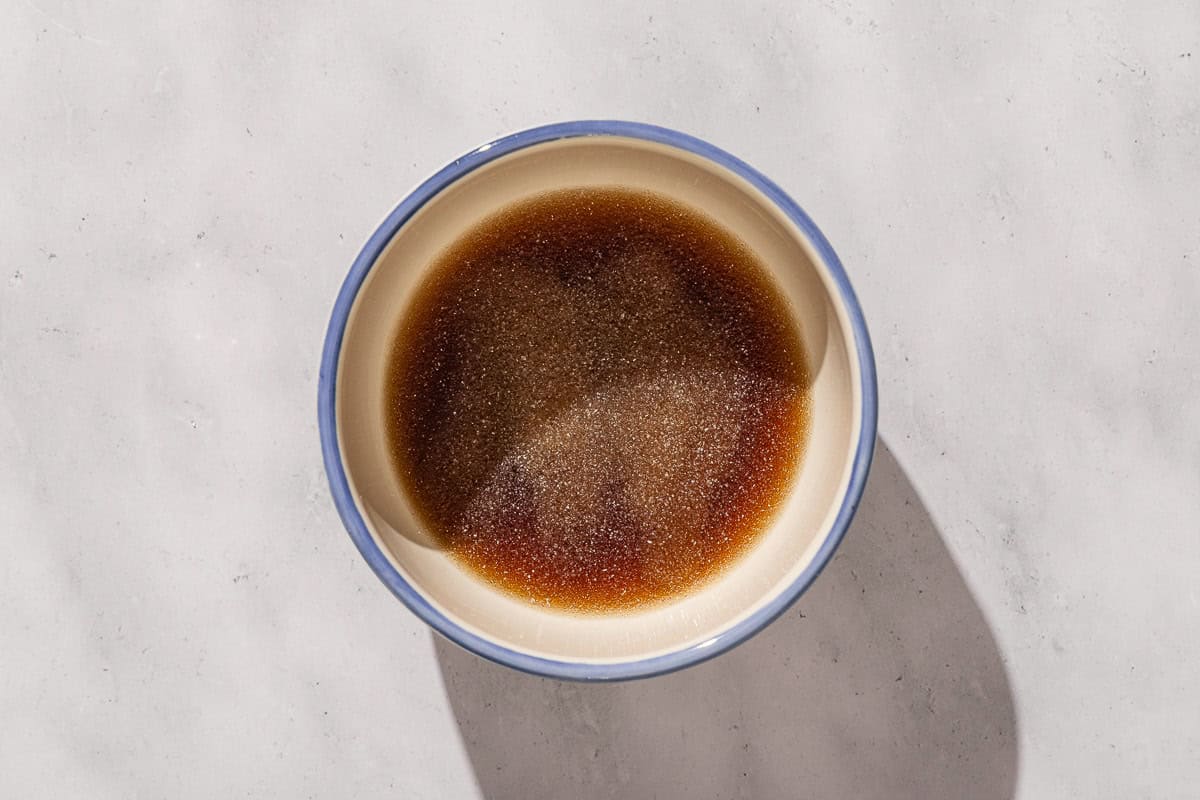
- Bloom the gelatin. In a small bowl, add 2 tablespoons cold water and 2 teaspoons vanilla extract. Sprinkle 1 1/4 teaspoons powdered unflavored gelatin over the mixture and set aside to soften.

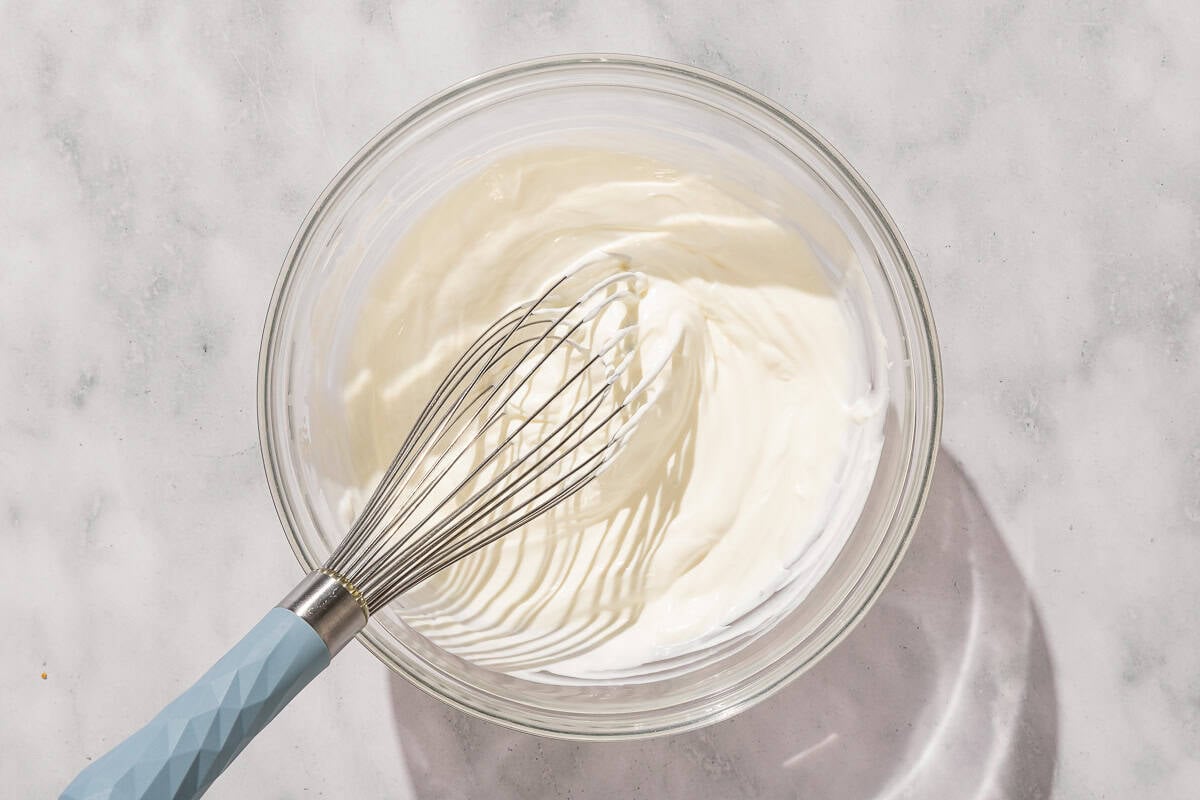
- Mix the yogurt and cream. In a large bowl, whisk together 1 1/2 cups (340g) full-fat Greek yogurt and 1/2 cup heavy cream. Set the bowl on a damp towel next to the stove.
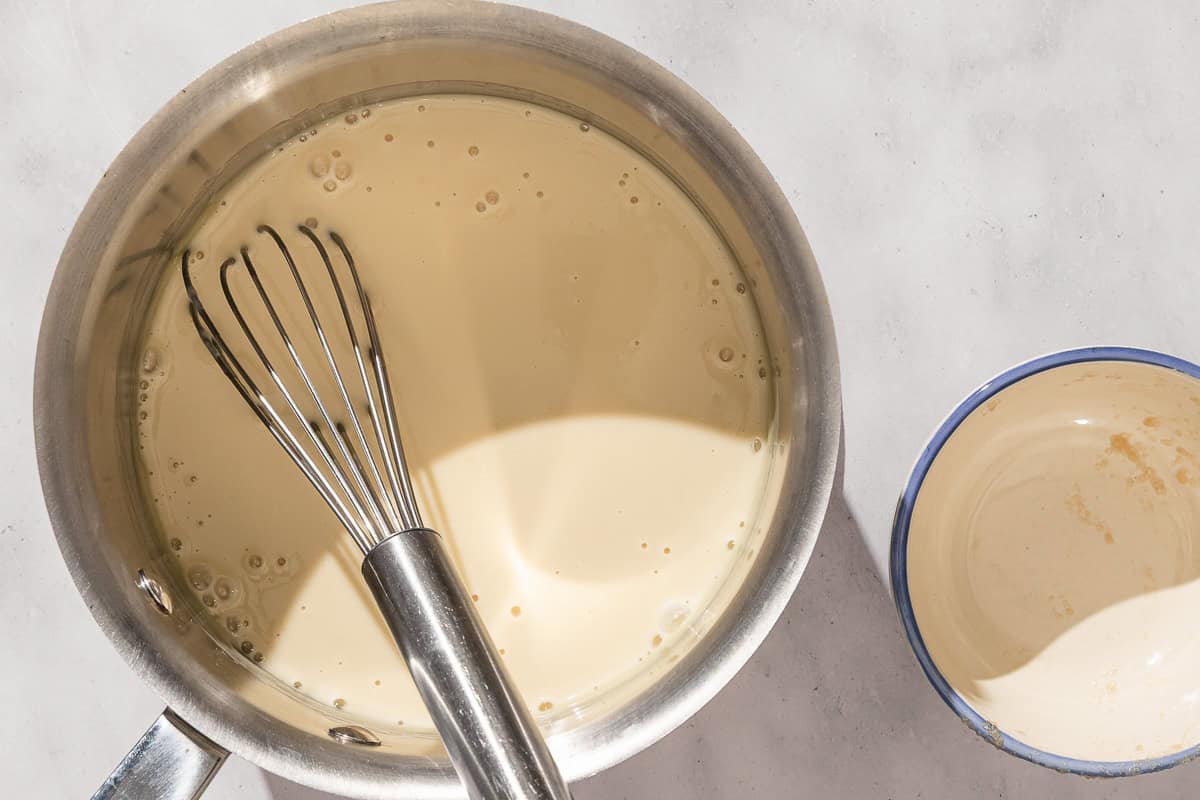
- Dissolve the honey and gelatin. In a small saucepan, bring the remaining 1 cup of cream, 3 tablespoons (63g) honey, and 1/8 teaspoon kosher salt to a simmer over low heat, stirring occasionally to dissolve the honey, about 5 minutes. Once the cream mixture reaches a bare simmer, remove it from the heat. Add the gelatin mixture and whisk to dissolve.
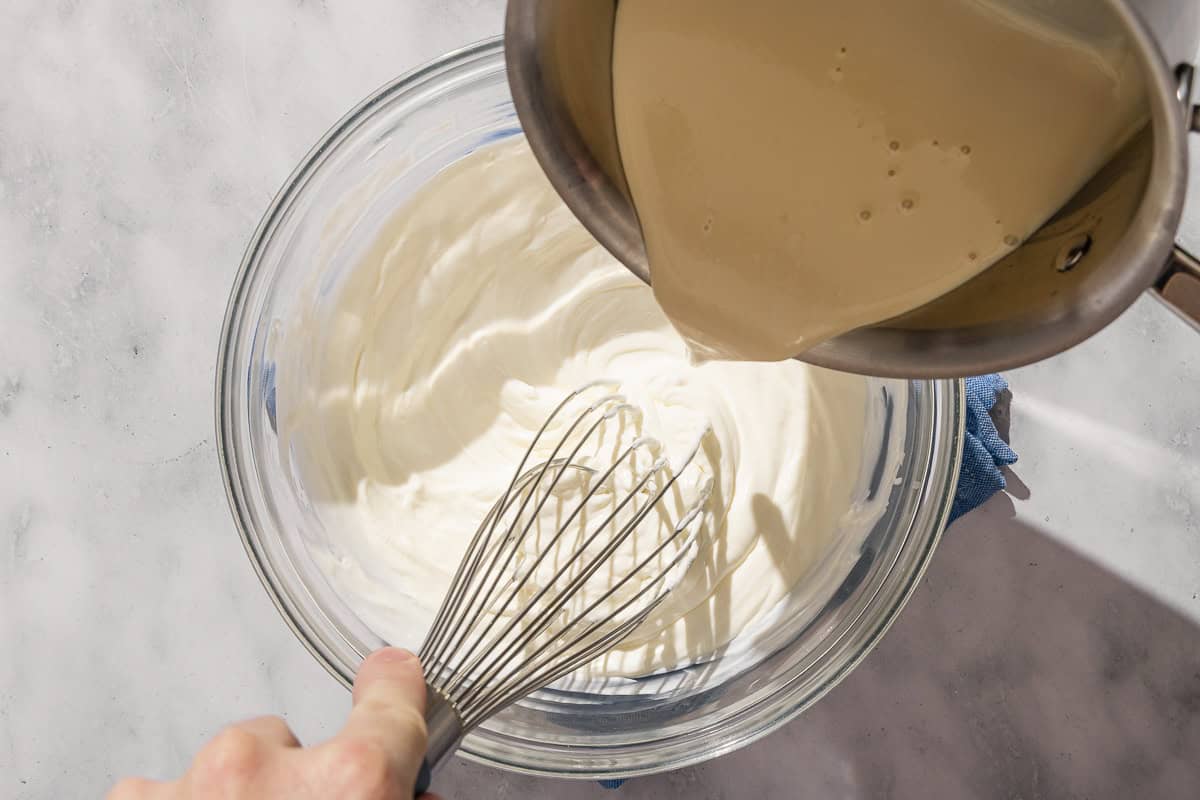
- Make the panna cotta. While whisking, pour the hot cream mixture into the bowl of Greek yogurt. Continue mixing until smooth.
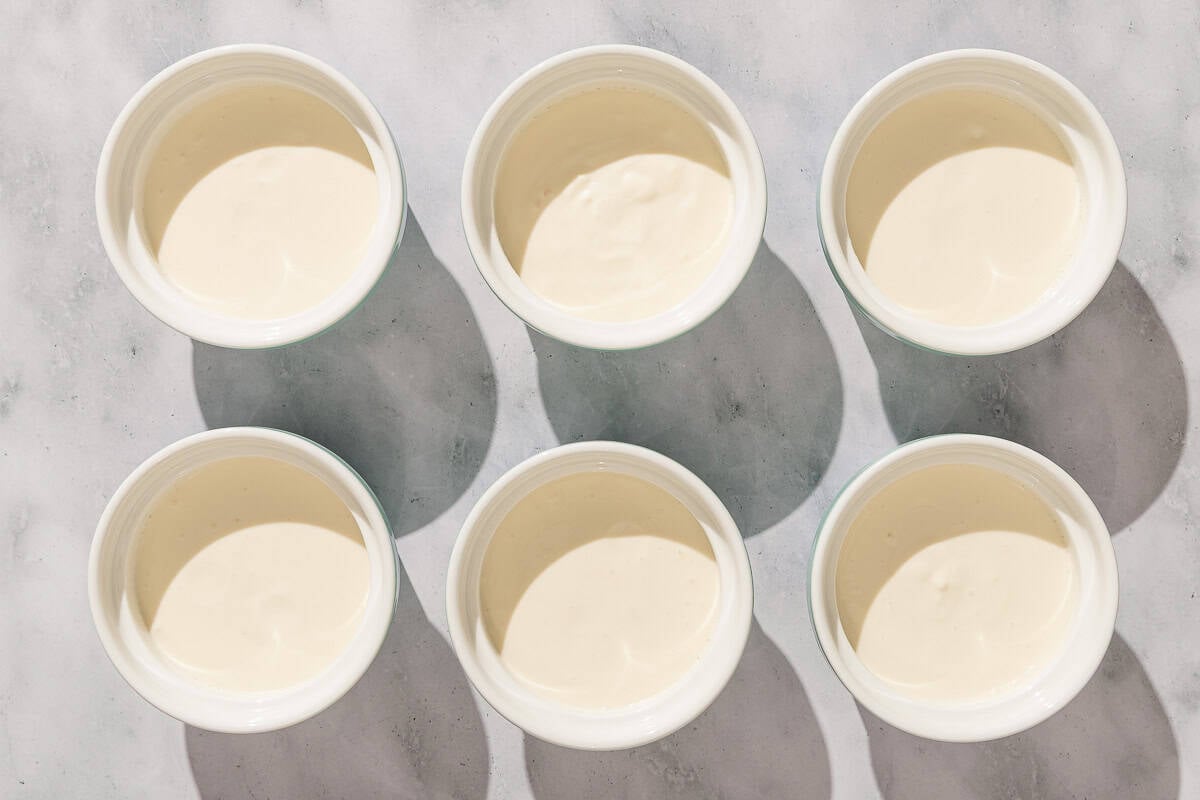
- Divide and chill. Divide the mixture evenly among the ramekins. Cover loosely with plastic wrap and refrigerate at least 4 hours, preferably overnight.
- Macerate the berries. In a medium bowl, add 6 ounces (170g) fresh berries. Drizzle 1 tablespoon honey and 1 teaspoon lemon juice over the berries, then gently toss to combine. Let sit at room temperature for at least 30 minutes.
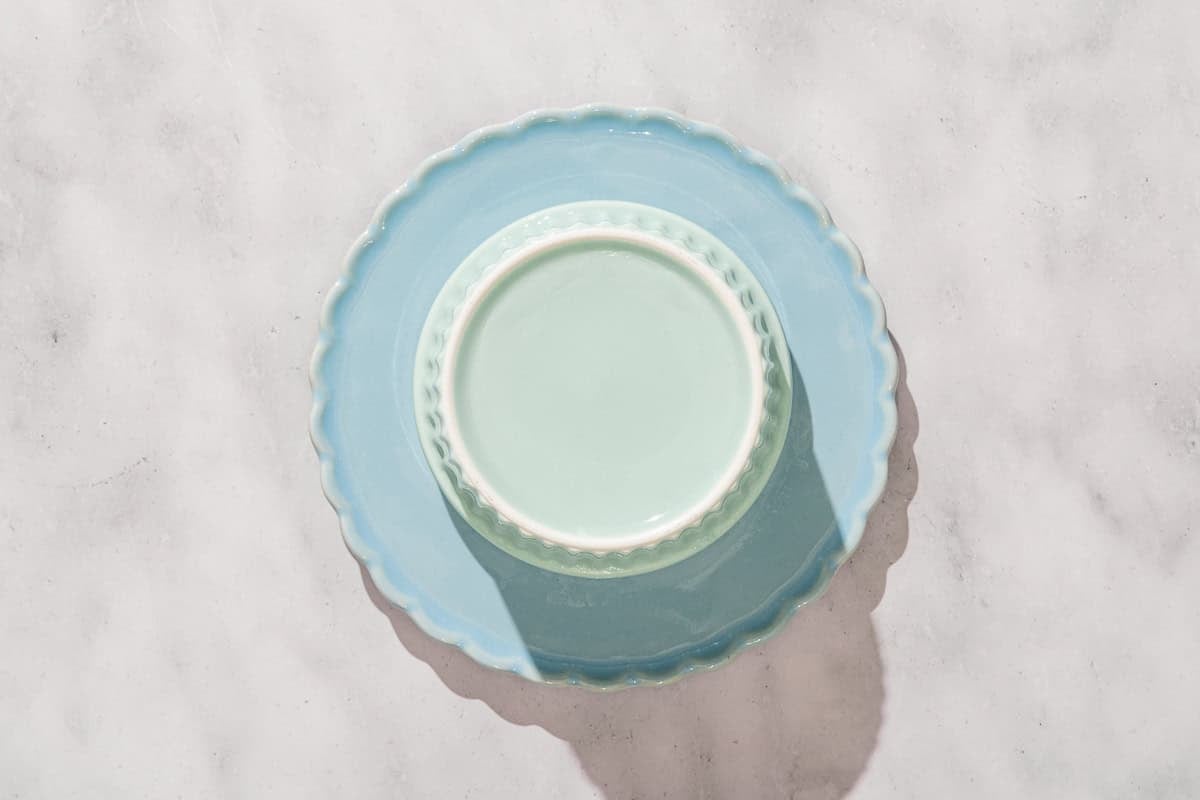
- Unmold the panna cotta. Bring a small saucepan of water to a simmer. Dip the bottom of one ramekin in the water for 5 seconds. Place a plate upside down on the ramekin, then flip it over and gently shake to loosen the panna cotta. If it doesn’t release, dip it in the water for a few more seconds. Repeat with the remaining ramekins. Alternatively, serve the panna cotta straight from the ramekins.
- Serve. Top each panna cotta with a spoonful of the macerated berries, and serve.
Greek Yogurt is Perfect in Panna Cotta
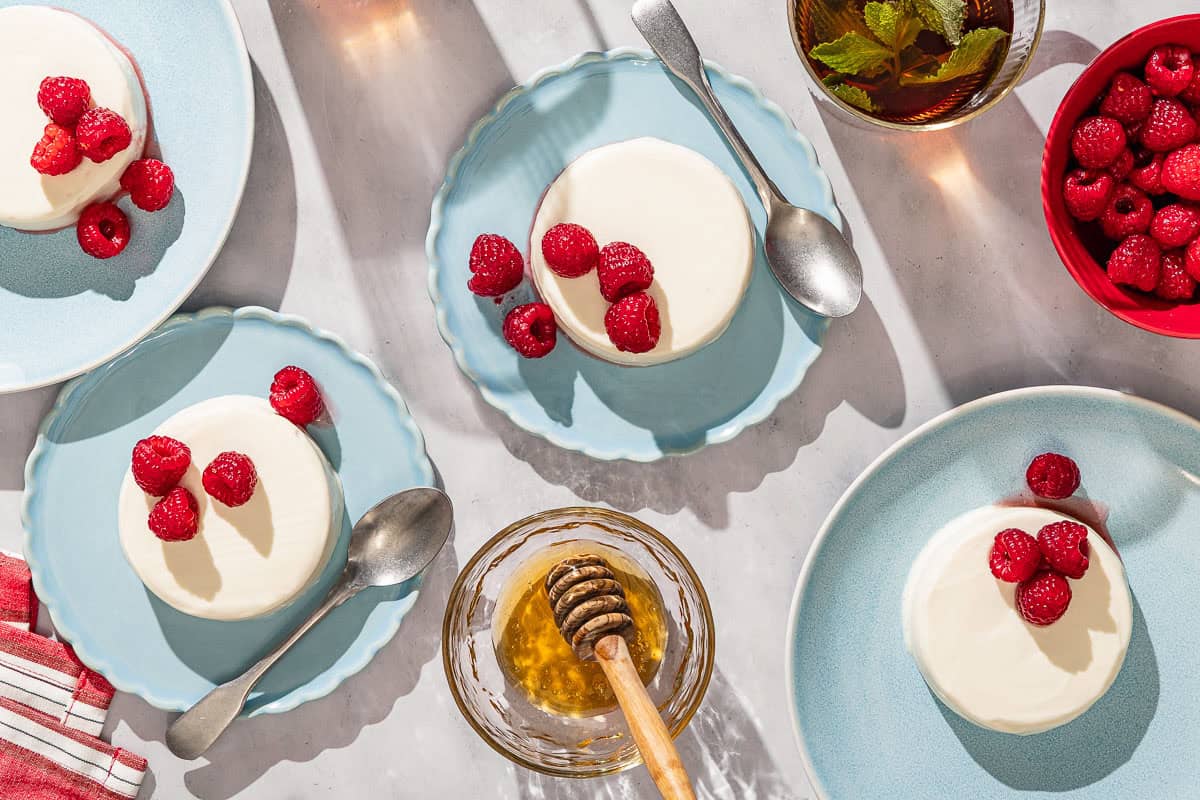
Cream, by itself, isn’t that flavorful, at least not the cream most of us buy at the grocery store. For a lighter, more flavorful panna cotta, I replace some of the cream with Greek yogurt. Greek yogurt panna cotta has a tangier flavor and actually saves a lot of time.
When you make traditional panna cotta, you have to babysit it, whisking it occasionally as it cools to room temperature to keep the gelatin suspended in the cream. Once it’s room temperature, you can portion it into ramekins and chill in the fridge. Otherwise, the panna cotta may separate into a cream layer and clear gelatin layer.
In this Greek yogurt version, you only heat a portion of the cream to melt the gelatin, and then whisk it into the remaining cold cream and yogurt. This cools the mixture to room temperature quickly, so you don’t have to babysit it. You can divide the panna cotta into ramekins and chill it in the fridge right away.
How to Unmold Panna Cotta
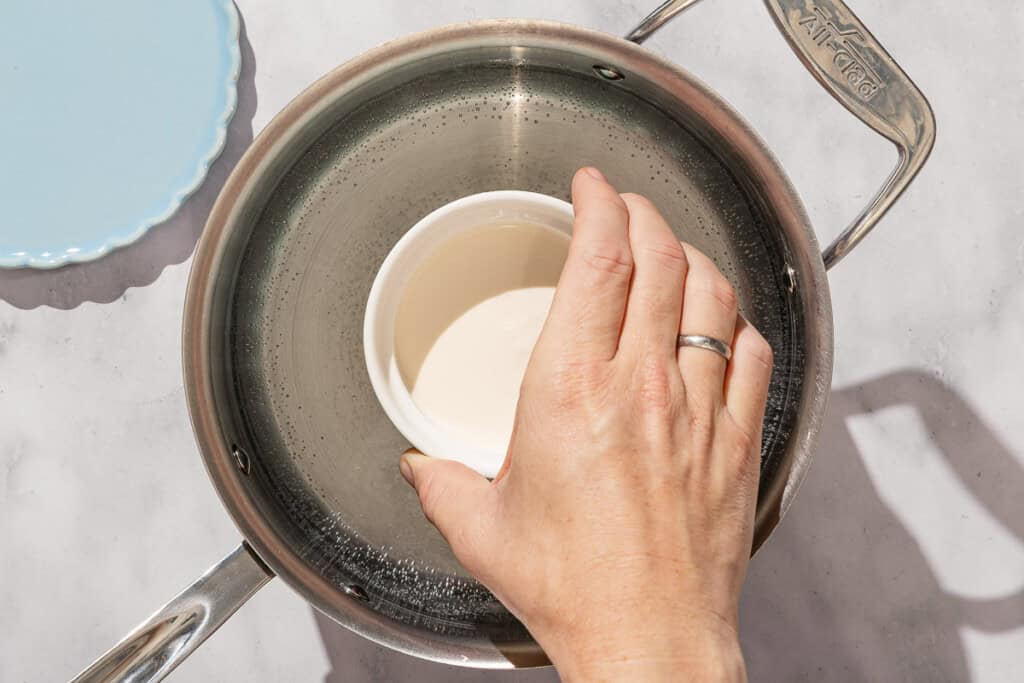
Unmolding panna cotta makes for a pretty plated dessert, but greasing the ramekins alone isn’t always enough to release it. To help it along, I dip the ramekins in hot water just long enough to melt the outer edges of the panna cotta (5 to 10 seconds), and it slides out easily.
Set a plate on top of the ramekin, then flip it over. Gently wiggle and shake the ramekin until the panna cotta releases onto the plate. If it doesn’t unmold, dip the ramekin back in hot water for a few more seconds.
If you prefer, serve the panna cotta straight from the ramekin or a pretty glass, instead of unmolding it.
Tips and Troubleshooting
- Bloom the gelatin in cold water: Blooming the gelatin in cold water hydrates it evenly and prevents clumping when you add it to the hot cream.
- Do not boil: Boiling the gelatin can reduce its strength, leading to runny panna cotta. Heat the cream just to a bare simmer, then add the bloomed gelatin off the heat.
- Set the bowl of yogurt and cream on a damp towel so it doesn’t slide around on the counter. As you pour the hot gelatin mixture in with one hand, whisk constantly with the other to incorporate it.
- Whisk the gelatin into the yogurt: Gelatin begins to set as soon as it cools. If you don’t whisk as you pour the hot gelatin mixture into the cold yogurt and cream mixture, lumps may form in the panna cotta.
Make It Your Own
- Use half and half: For a lighter dessert, you can substitute half and half for the cream. To compensate for the lower fat content, increase the gelatin to 1 1/2 teaspoons to ensure it sets firm enough.
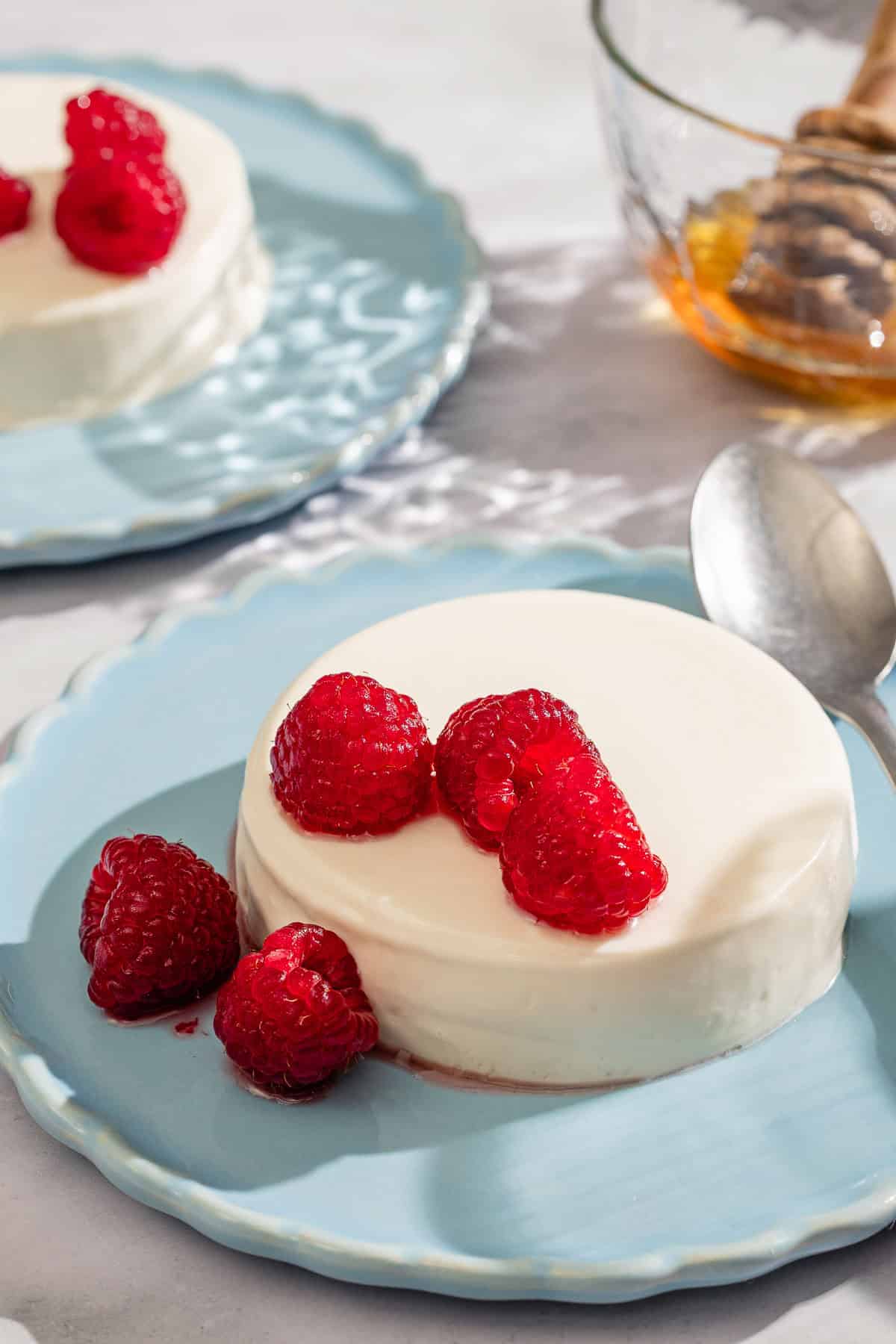
- Macerate other fruits: Sweet-tart raspberries and other berries are my favorite garnish for this panna cotta. Throughout the year, you can use other seasonal fruits. In summer, try stone fruits like cherries, peaches, or plums; in winter, try citrus like supremed oranges or clementines.
- Add some crunch: Garnish the panna cotta with toasted walnuts, hazelnuts, pine nuts, almonds, or even granola for some added texture.
Make It Ahead
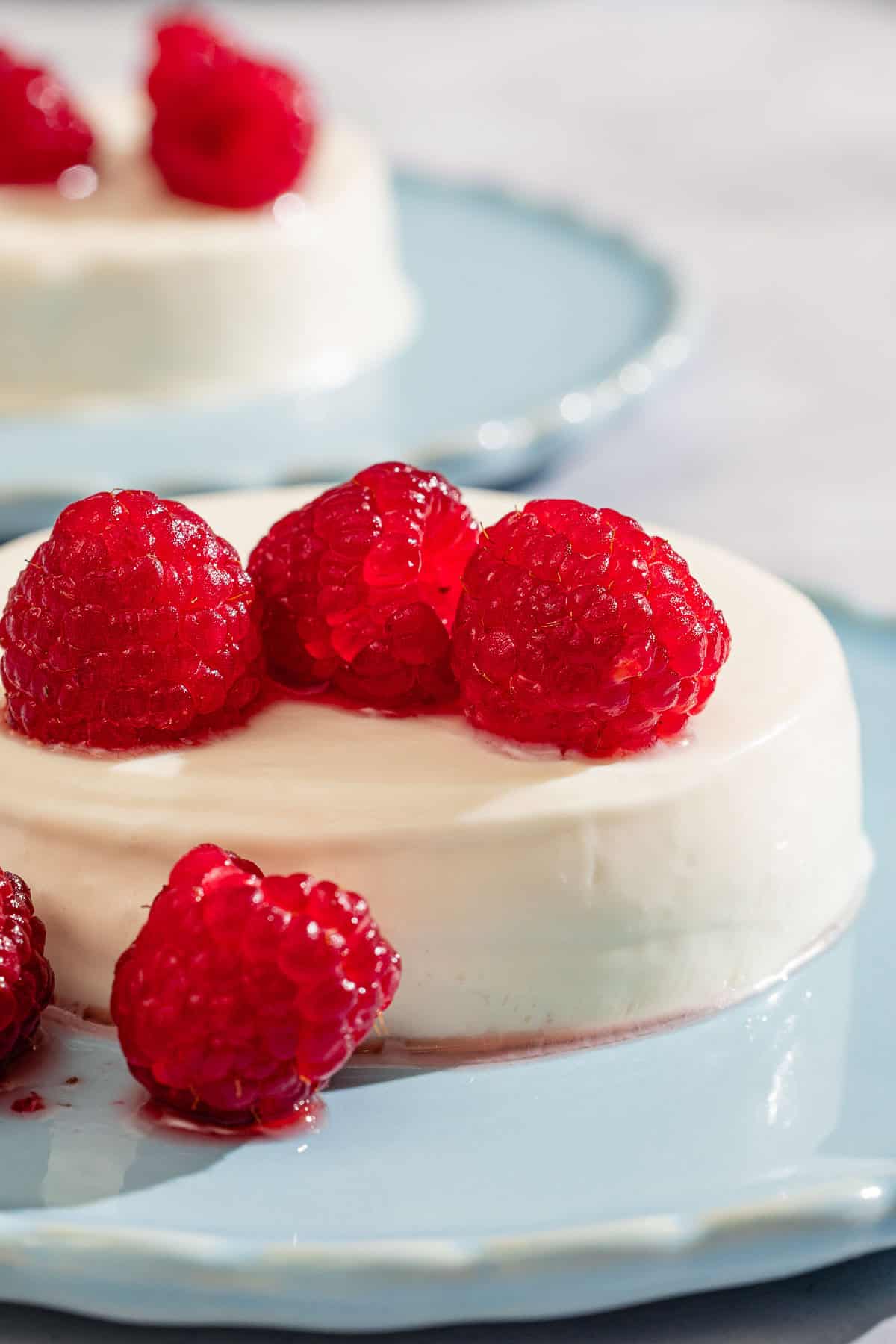
You can make the panna cotta up to a day in advance and keep it in the refrigerator. I generally recommend letting the panna cotta set overnight in the fridge if you have time, anyway.
Wait to prepare the macerated berries until 30 minutes to 3 hours before serving. You can macerate the berries further in advance in the fridge, but they will keep softening the longer they sit.
What to Serve with Greek Yogurt Panna Cotta
Creamy, light panna cotta is a delicious way to highlight seasonal fruit, from the macerated berries here to stone fruit in summer, apple or pear compote in fall, and citrus in winter. It’s also lovely with strawberry-rose compote, drizzled with extra honey, or topped with a spoonful of fig jam or chocolate shavings.
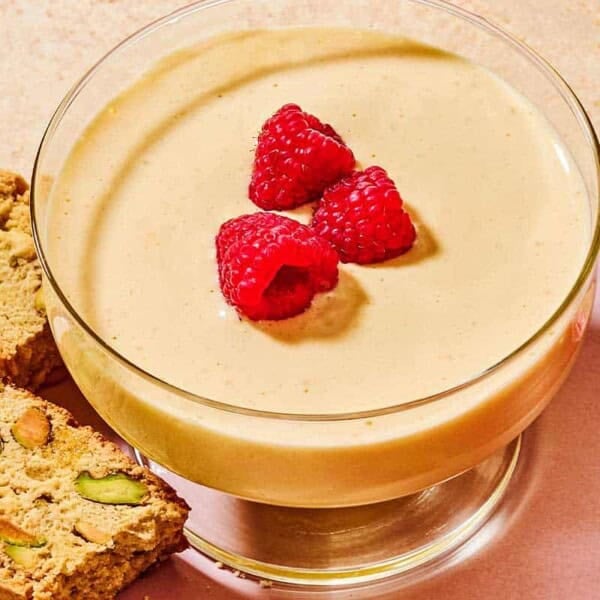
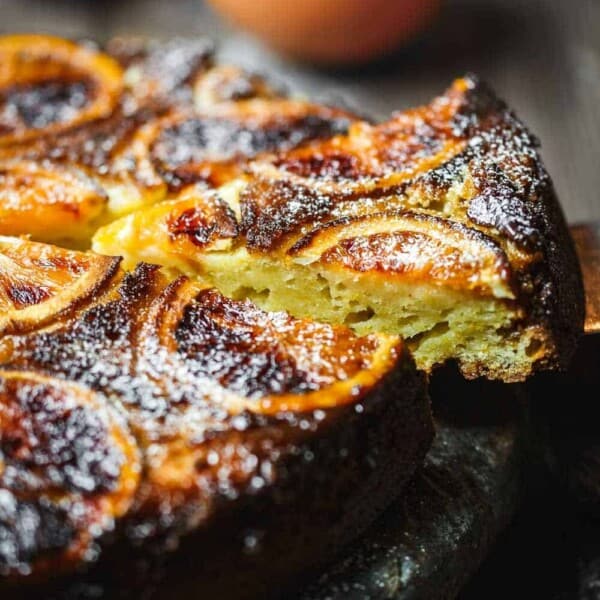
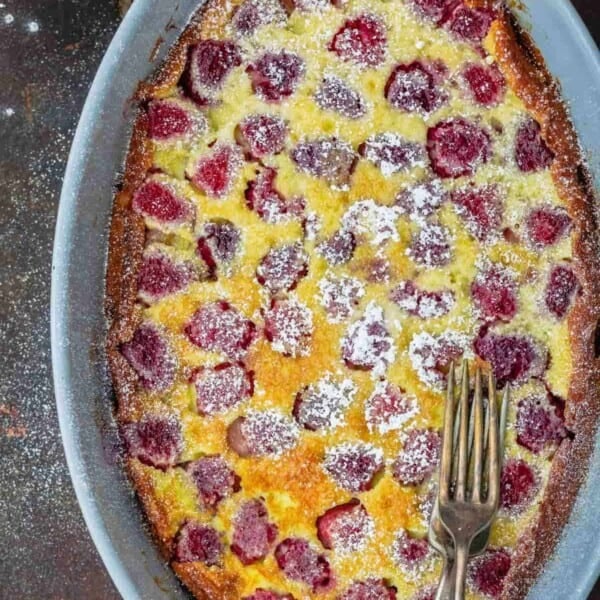
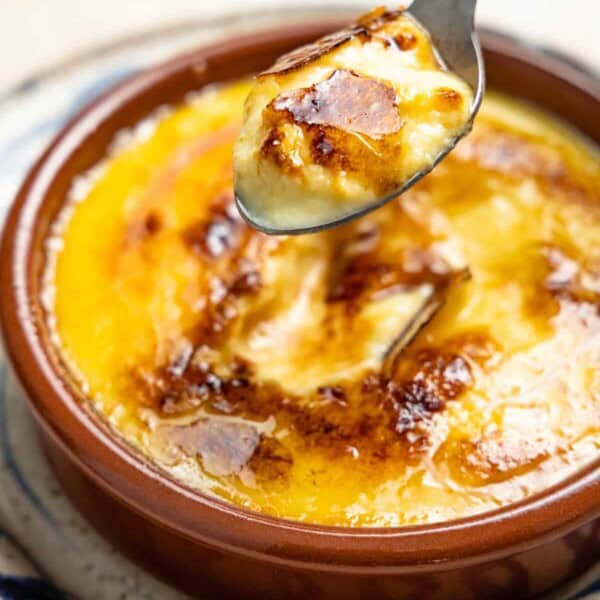
More Creamy Mediterranean Dessert Recipes
Honey and Greek Yogurt Panna Cotta

Ingredients
- Vegetable oil (for greasing the ramekins)
- 2 tablespoons cold water
- 2 teaspoons vanilla extract
- 1 1/4 teaspoons powdered unflavored gelatin
- 1 1/2 cups whole milk Greek yogurt (340g)
- 1 1/2 cups heavy cream, divided (360ml)
- 3 tablespoons honey (63g)
- 1/8 teaspoon kosher salt
Honey Macerated Berries
- 6 ounces fresh berries (170g), washed and sliced, if large
- 1 tablespoon honey
- 1 teaspoon lemon juice
Instructions
- Grease the ramekins. Lightly grease the inside of 6 (6-ounce) ramekins with vegetable oil. If you don’t plan on unmolding the panna cotta, leave them ungreased.
- Bloom the gelatin. In a small bowl, add the water and vanilla extract. Sprinkle the gelatin over the mixture and set aside to soften.
- Mix the yogurt and cream. In a large bowl, whisk together the yogurt and 1/2 cup of the cream. Set on a damp towel next to the stove.
- Dissolve the honey and gelatin. In a small saucepan, bring the remaining 1 cup of cream, honey, and salt to a simmer over low heat, stirring occasionally to dissolve the honey, about 5 minutes. Once the cream mixture reaches a bare simmer, remove it from the heat. Add the gelatin mixture and whisk to dissolve.
- Make the panna cotta. While whisking, pour the hot cream mixture into the bowl of Greek yogurt. Continue mixing until smooth.
- Divide and chill. Divide the mixture evenly among the ramekins. Cover loosely with plastic wrap and refrigerate at least 4 hours, preferably overnight.
- Macerate the berries. In a medium bowl, add the berries. Drizzle the honey and lemon juice over the berries, then gently toss to combine. Let sit at room temperature for at least 30 minutes.
- Unmold the panna cotta. Bring a small saucepan of water to a simmer. Dip the bottom of one ramekin in the water for 5 seconds. Place a plate upside down on the ramekin and flip it over, gently shaking to loosen the panna cotta. If it doesn't release, dip it in the water for a few more seconds. Repeat with the remaining ramekins. Alternatively, serve the panna cotta straight from the ramekins.
- Finish and serve. Top each panna cotta with a spoonful of the macerated berries and serve. Store unmolded panna cotta in the refrigerator, loosely covered with plastic wrap, for up to 2 days.
Recipe Notes
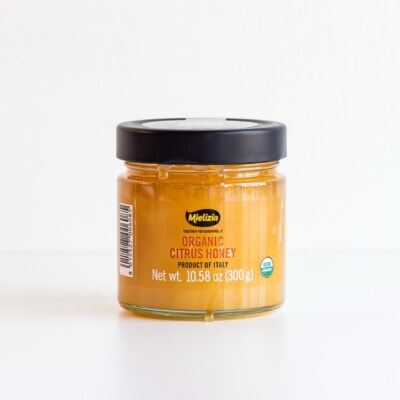
- Shop this recipe: Visit our shop to browse quality Mediterranean ingredients, including the honey used in this recipe.
- Use half and half: For a lighter dessert, you can substitute half and half for the cream. To compensate for the lower fat content, increase the gelatin to 1 1/2 teaspoons to ensure it sets firm enough.
- Wait on the fruit: Wait to prepare the macerated berries until 30 minutes to 3 hours before serving. You can macerate the berries further in advance in the fridge, but they will keep softening the longer they sit.
Nutrition
Nutrition information is automatically calculated, so should only be used as an approximation.
Shop Suzy’s curated selection of Mediterranean olive oils, spices, and more.
Honey from The Mediterranean!
Indulge in the delicate sweetness of Italian Organic Citrus Honey. Drizzle over cheese, stir into honey, spread on toast!