




This silky Sicilian lemon pudding is a bright, dairy-free make-ahead dessert made with fresh lemon juice and zest.

A Silky Lemon Pudding with Sicilian Roots
This recipe is my take on gelo di limone, a traditional Sicilian dessert. Classic gelo is firm enough to unmold, but I prefer a softer, spoonable texture with just the right amount of wobble.
With its sunny groves and famous lemons, Sicily knows how to make citrus shine. Here, fresh lemon juice brings a clean, refreshing tartness, while the zest adds a more concentrated, floral aroma. The result tastes like zesty sunshine in a cup.
Eggs and cornstarch thicken the pudding without heavy cream, allowing the bold lemon flavor to take center stage. It needs at least 6 hours to set, but all the hands-on work happens ahead of time. Pour it into individual cups and finish with fresh berries for a simple dessert that feels special enough for a dinner party.
Lemon Pudding vs. Lemon Posset: What’s the Difference?
At first glance, this Sicilian lemon pudding looks a lot like lemon posset. Both are smooth, citrusy desserts served cold, but they use very different ingredients and techniques.
- Lemon posset is a British dessert made with sugar, lemon juice, and heavy cream. The lemon’s acidity thickens the cream, giving the dessert a rich texture similar to panna cotta.
- Sicilian lemon pudding uses eggs and cornstarch for thickening, much like Crema Catalana. It has a lighter, more delicate wobble and contains no heavy cream, making it dairy-free.
Without all that cream, the lemon gets free range to tickle your tongue with its bright acidity and clean flavor.
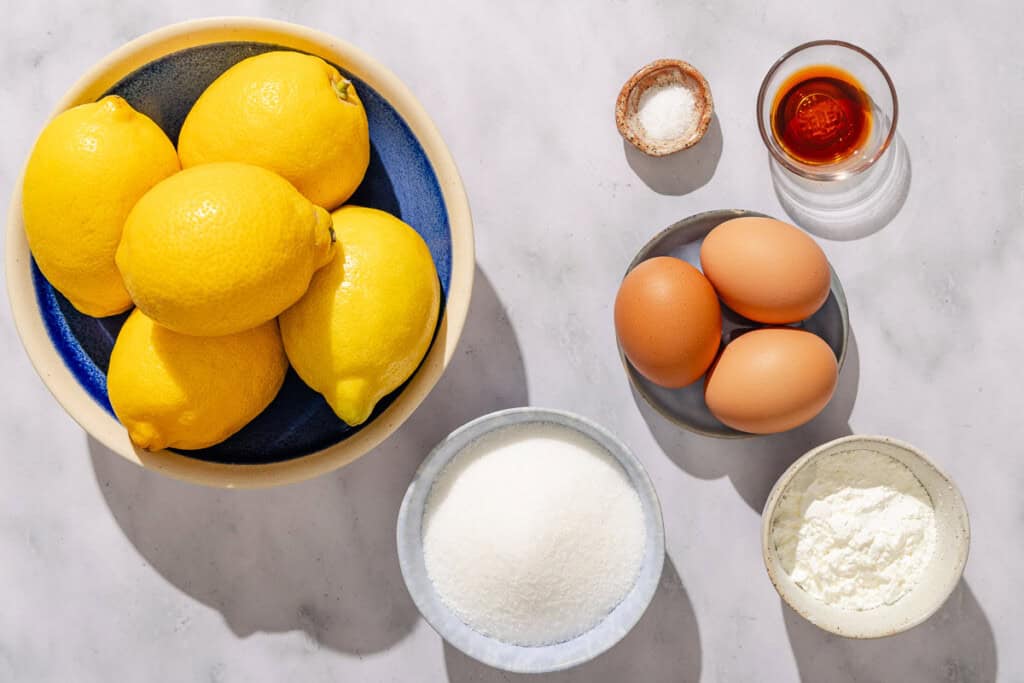
Ingredients for Sicilian Lemon Pudding
You need six main ingredients, plus water and fresh berries for serving. Because the ingredient list is so simple, fresh lemon juice and zest make a noticeable difference.
- Sugar: Sweetens the pudding and tames the lemon’s sour bite while leaving a pleasant zing.
- Lemons: Both the zest and juice are essential. The zest provides a concentrated, floral aroma, while the juice gives the pudding its clean tartness. Meyer lemons are a lovely option when available because they tend to be sweeter and more aromatic, but regular lemons work beautifully.
- Cornstarch: Thickens the pudding and gives it a delicate wobble. It must come to a simmer and cook for about 1 minute to thicken properly.
- Eggs: Add richness and work with the cornstarch to set the pudding without cream.
- Vanilla extract: Softens the lemon’s sharp edges with a sweet, floral note. For a different flavor profile, substitute 1/4 teaspoon of rose water or orange blossom water.
- Kosher salt: Just 1/8 teaspoon sharpens the other flavors and balances the sweetness.
- Water: Keeps the pudding light and allows the fresh lemon flavor to remain the focus.
- Fresh berries: Raspberries, strawberries, blueberries, or blackberries add color and a fresh finish just before serving.
How to Make Lemon Pudding
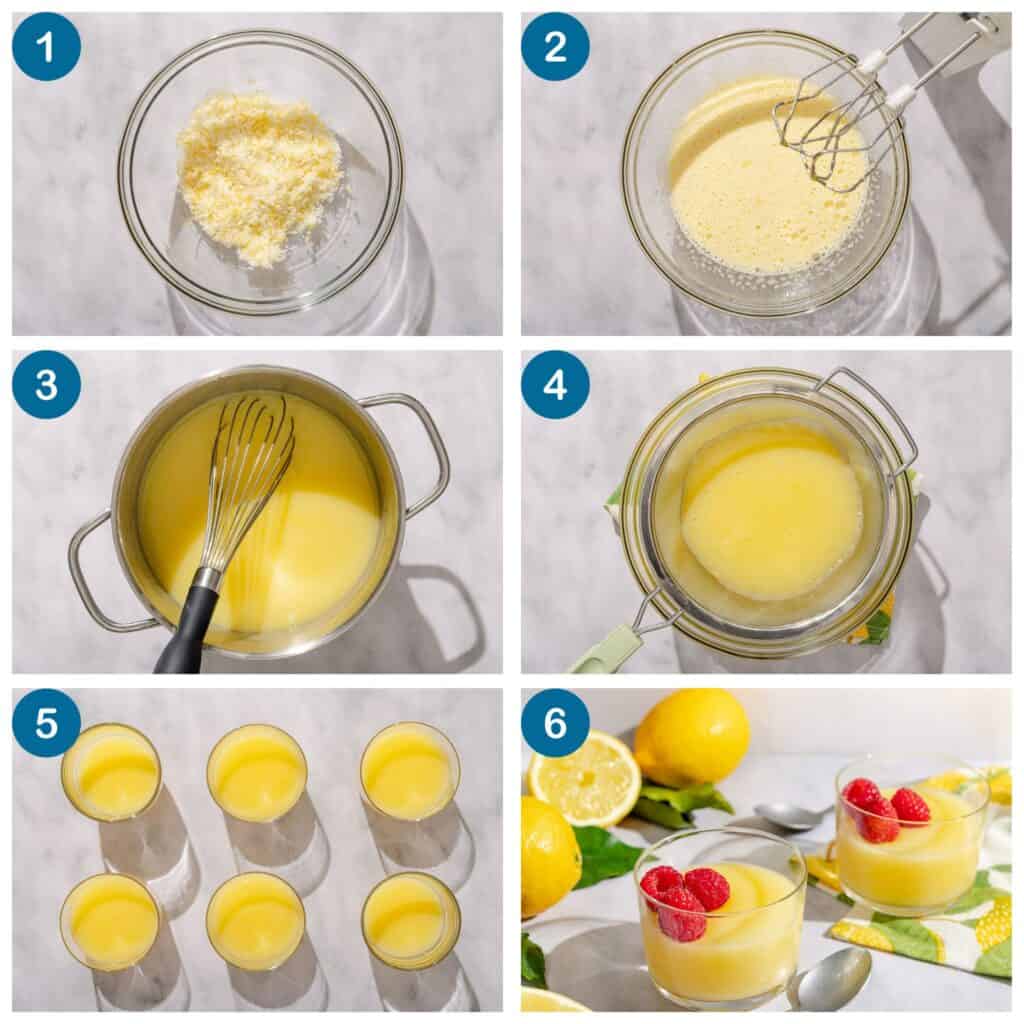
The pudding takes about 35 minutes to prepare and cook, followed by at least 6 hours in the refrigerator. Make it in the morning or the night before you plan to serve it.
- Get ready. Place a fine-mesh sieve over a large bowl and set it next to the stove.
- Make the lemon sugar. In a large mixing bowl, combine 3/4 cup granulated sugar, 1/8 teaspoon kosher salt, and 1 tablespoon lemon zest from 3 lemons. Rub the zest into the sugar with your fingers until the sugar is pale yellow and evenly scented. Stir in 5 tablespoons cornstarch.
- Beat in the eggs. Add 3 large eggs. Beat with a hand mixer on medium-high speed until the mixture is pale and foamy, 2 to 3 minutes.
- Cook the pudding. Pour the egg mixture into a large saucepan. Whisk in 1 cup fresh lemon juice from 4 to 5 lemons and 2 1/2 cups water. Set over medium-low heat and stir constantly until the pudding reaches a gentle simmer, 12 to 15 minutes. Continue cooking and stirring for 1 minute so the cornstarch can thicken properly.
- Add the vanilla and strain. Remove the pan from the heat and stir in 1 teaspoon vanilla extract. Pour the pudding through the prepared sieve to catch any small bits of zest or cooked egg.
- Portion and chill. Divide the warm pudding among glasses or small bowls. Use about 2/3 cup per portion for 6 larger servings or 1/2 cup per portion for 8 servings. Press plastic wrap directly against the surface to prevent a skin from forming, then refrigerate for at least 6 hours, until thickened and thoroughly chilled.
- Finish and serve. Remove the plastic wrap, top with fresh berries, and serve cold.
Tips for Smooth, Silky Lemon Pudding
This lemon pudding recipe is simple, but a few small details make the difference between a smooth pudding and one that is lumpy or too loose.
- Heat it slowly. Bring the pudding to a gentle simmer over medium-low heat while stirring constantly. Rushing it over higher heat can curdle the eggs. If a few small curds form, the fine-mesh sieve should catch most of them.
- Cook it for the full minute. The mixture will begin to thicken before it simmers, but the cornstarch needs to bubble gently for about 1 minute to thicken properly. Stopping too soon may cause the pudding to loosen or weep later.
- Don’t skip the sieve. Straining removes bits of zest and any small pieces of cooked egg, giving the pudding its delicate, silky texture.
- Cover the surface directly. Press plastic wrap against the warm pudding rather than stretching it across the top of the bowl. This prevents a skin from forming as it cools.
- Give it time to set. The pudding needs at least 6 hours in the refrigerator to become thoroughly chilled and reach its final spoonable texture.
- Choose when to portion it. Divide the pudding among individual glasses while it is warm, or chill it in one large bowl and portion it after it sets. Either method works as long as the surface is covered.
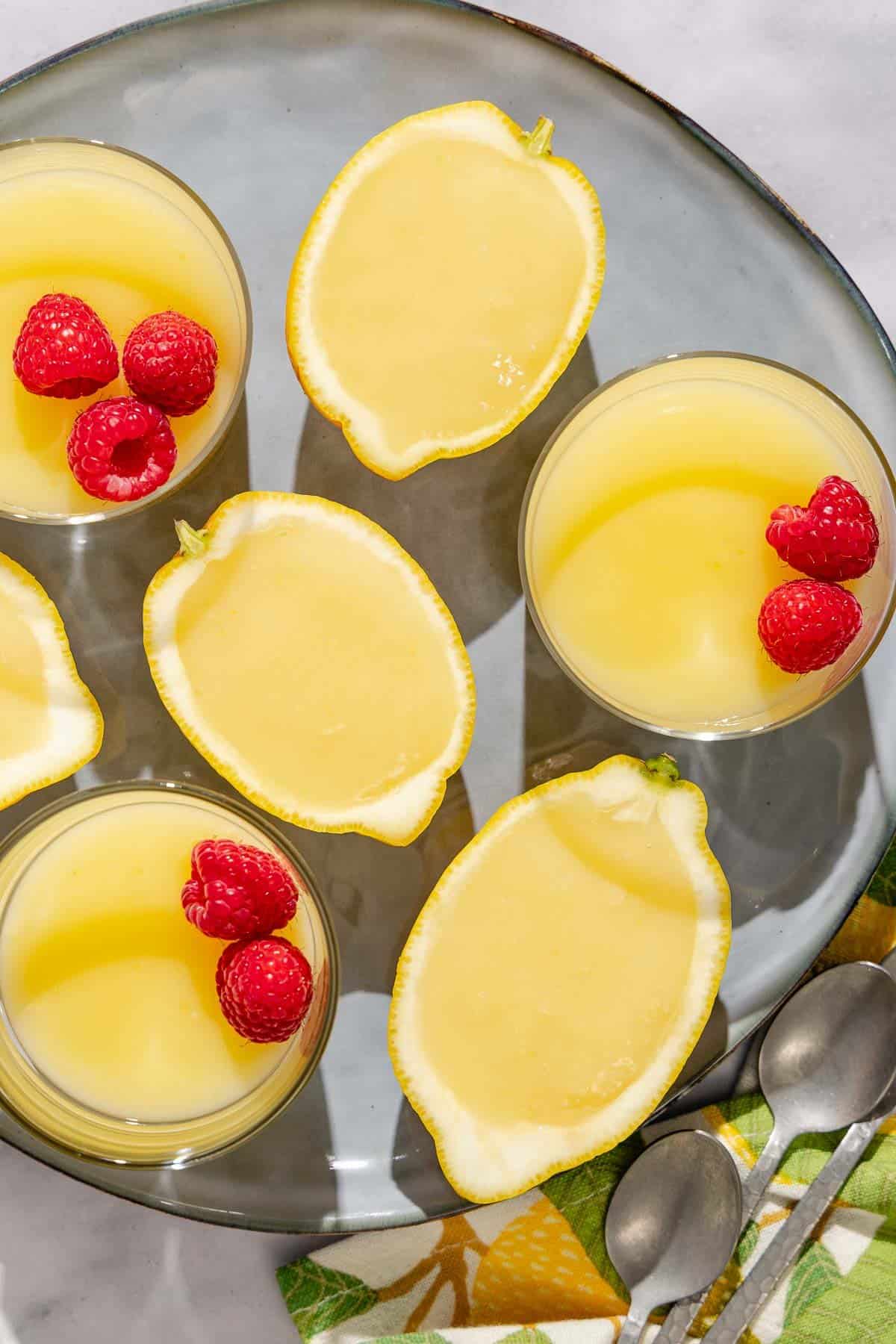
How to Serve Lemon Pudding in Lemon Cups
For a dinner party or special occasion, turn hollowed-out lemon halves into individual serving cups. They look impressive on a platter, but the process is simple.
- Cut the lemons. Slice each lemon in half lengthwise.
- Hollow them out. Use a grapefruit spoon or a regular spoon to scoop out the lemon segments, leaving the peel and white pith intact.
- Fill and chill. Pour the warm pudding into the hollowed lemon halves, smooth the tops, and refrigerate until thoroughly chilled and set.
What to Serve with Sicilian Lemon Pudding
Fresh berries are all this bright lemon pudding really needs. Add a handful of raspberries, strawberries, blueberries, or blackberries just before serving, or spoon over macerated berries for a juicier topping.
To dress it up, try a spoonful of quick berry compote or strawberry compote scented with rose, mint, and honey. A drizzle of extra virgin olive oil also plays nicely with the lemon’s tart, floral flavor. Around the holidays, sparkling sugared cranberries make a festive garnish.
For a full Sicilian menu, begin with sweet-and-sour eggplant caponata, follow with pasta con le sarde, and finish with these chilled lemon puddings.
Make Ahead and Storage
Sicilian lemon pudding is an ideal make-ahead dessert. Prepare and refrigerate it for at least 6 hours before serving, or make it up to 3 days in advance.
Keep the pudding refrigerated and covered, with plastic wrap pressed directly against the surface to prevent a skin from forming. Add fresh berries or other toppings just before serving.
More Bright and Citrusy Lemon Desserts






Ingredients
- 3/4 cup granulated sugar
- 1/8 teaspoon kosher salt
- 1 tablespoon lemon zest, from 3 lemons
- 5 tablespoons cornstarch
- 3 large eggs
- 1 cup lemon juice, from 4 to 5 lemons
- 2 1/2 cups water
- 1 teaspoon vanilla extract
- Fresh berries, to serve
Instructions
- Get ready. Place a fine-mesh sieve over a large bowl and set it next to the stove.
- Mix the dry ingredients. In a large mixing bowl, combine the sugar, salt, and lemon zest. Rub the zest into the sugar with your fingers until the sugar is pale yellow and the zest is evenly distributed. Stir in the cornstarch.
- Beat in the eggs. Add the eggs and beat with a hand mixer on medium-high speed until the mixture is pale and foamy, 2 to 3 minutes.
- Make the pudding. Pour the egg mixture into a large saucepan. Whisk in the lemon juice and water. Set the pan over medium-low heat and stir constantly until the pudding reaches a gentle simmer, 12 to 15 minutes. Continue cooking and stirring for 1 minute.
- Strain the pudding. Remove the pan from the heat and stir in the vanilla extract. Pour the pudding through the prepared sieve and into the large bowl.
- Portion and chill. Divide the pudding among glasses or small bowls, using about 2/3 cup per portion for 6 larger servings or 1/2 cup per portion for 8 servings. Press plastic wrap directly against the surface to prevent a skin from forming. Refrigerate for at least 6 hours, until thickened and thoroughly chilled.
- Finish and serve. Top with fresh berries and serve.
Notes
- Shop this recipe: For a floral twist, replace the vanilla with 1/4 teaspoon of rose water or orange blossom water from our shop.
- Storage: Store the pudding covered in the refrigerator for up to 3 days. Keep plastic wrap pressed directly against the surface to prevent a skin from forming.
- Citrus variations: You can make the pudding with the juice and zest of other citrus fruits, including oranges or grapefruit.
Nutrition
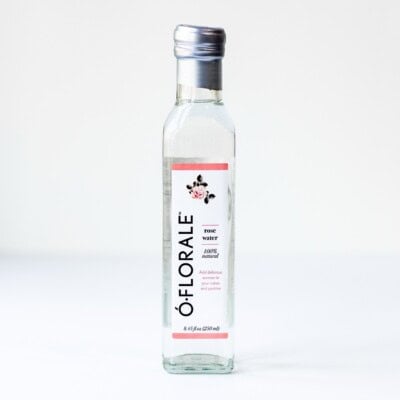
Ó•Florale 100% Natural Rose Water
Made using a time-honored distillation process, a splash adds a delicate and aromatic quality to sweet and savory dishes, from compotes and rice pudding to ice-cold lemonade.

Fabulous tart lemon dessert. Very light, low sugar, no dairy. Easy to make although it does take time. Not quite as thick as I would expect. Very delicious.
Really nice! I made this a few days ago when we had a bit of a heatwave and it was so lovely and refreshing to eat as a dessert. For the people saying it’s just lemon curd, no it’s not. It’s like a lemon curd custard type situation. I’m British and have made lemon curd many times and this is subtly different.
Can the pudding be frozen
Hi, Diane. That’s not something we’ve tried before with this recipe, so it’s hard to say. If you decide to give it a go, please stop back and let us know if it worked out for you!
Easy and refreshing!!!
Hello team,
What is the internal temperature to look for using an instant read thermometer. This would make the result consistent and easier too (well, easier for me!)
I live in Maine and love 2 fat cats bakery. And lemon. This was a great recipe, but the instructions don’t explain when to add the vanilla. I added it when I beat the eggs into the sugar/lemon zest mixture. I’m serving it as dessert for a Mother’s Day brunch I’m hosting. I LOVE LEMON!
Thanks for catching that! The vanilla should be added in step 5 (Strain the Pudding). This has been corrected on the recipe card.
Yummy recipe…and yes, it is like lemon curd, but not having to stir as long makes the recipe quicker to make. Please recommend alternatives to plastic wrap. It is so bad for the environment. I have reusable silicone covers for small pudding bowls.
I 1000% agree. I have stopped even having in the house and find ways around it. What about the tiny mason jars with lids (that would also be good if needing to travel or give a jar of it to a neighbor. Or using beewax wrap.
I will be making this weekend and will update if the arrowroot works.
I’d love to try this but as a diabetic I’m wondering if swapping out the sugar for Splenda would produce the same or similar results. Thanks
Hi, Diane. Since it’s not something we’ve tested with this recipe, so it’s hard to say if it would work or not. You may have to do a little experimenting :). If you do, just remember that sugar substitutes are usually a lot sweeter than sugar, so you would probably need less.
King Arthur makes a no-sugar 1:1 substitute that might work!
Look up recipes for lemon curd, it is virtually the same as this and requires no cornstarch. You just cook it longer to produce the thickening.
Also, I strongly recommend using a double boiler to prevent scrambled eggs in your pudding/lemon curd.
I like the creativiy of the recepis with simple ingredientes!
bravo!
Thanks, Maria!
My Lemon tree is bursting with Lemons here in Australia. So I can’t wait to try this refreshing recipe. I know it will be beautiful! All of Suzy’s recipes are a joy to make. Always packed with flavour and economical to make. Her cookbook constantly brings me happiness.
Wow! A lemon tree!?! When you’re done with this one, be sure to check out some of our other fan-favorite lemon recipes: Lemon Garlic Salmon, Lemon Tart, Fried Lemon rings (and more!!)
Mark, recipe looks great and can’t wait to try it this weekend. I’ll let you know how it goes. Thank you for variation suggestions. For other reviewers, google cornstarch substitutions, there are many.
Thanks, Mary!
you can substitute arrowroot for the cornstarch at 1.5 -2 times the quantity. Should also result in a clear pudding instead of cloudy
Have you tested with this recipe? If so, should I use 7.5 T ?
Any high altitude (6500 ft) modifications?
Can I use Monk sugar in this recipe?
Hello! We haven’t tested this one with alternative sweeteners, so it’s hard to say. If you decided to give it a try, though, please stop back and let us know how it went! We’d love to know!
Would you change the amount of sugar with Meyer lemons?
Hi, Susan. Since meyer lemons are naturally sweeter and less acidic than regular lemons, it may be wise can adjust the amount of sugar here. It’s just not something we’ve tested, so you may have to do a bit of experimenting. If you decide to give it a try, please stop back and share your thoughts!
I think this is what we call Lemon curd in the uk. A preserve. Used in cakes and desserts.
Hi, Jen. While lemon curd and Sicilian lemon pudding are both lemon-based desserts, but they actually differ a bit in texture and ingredients.