Mediterranean Breakfast Platter

This post may contain affiliate links. Please read our disclosure policy.

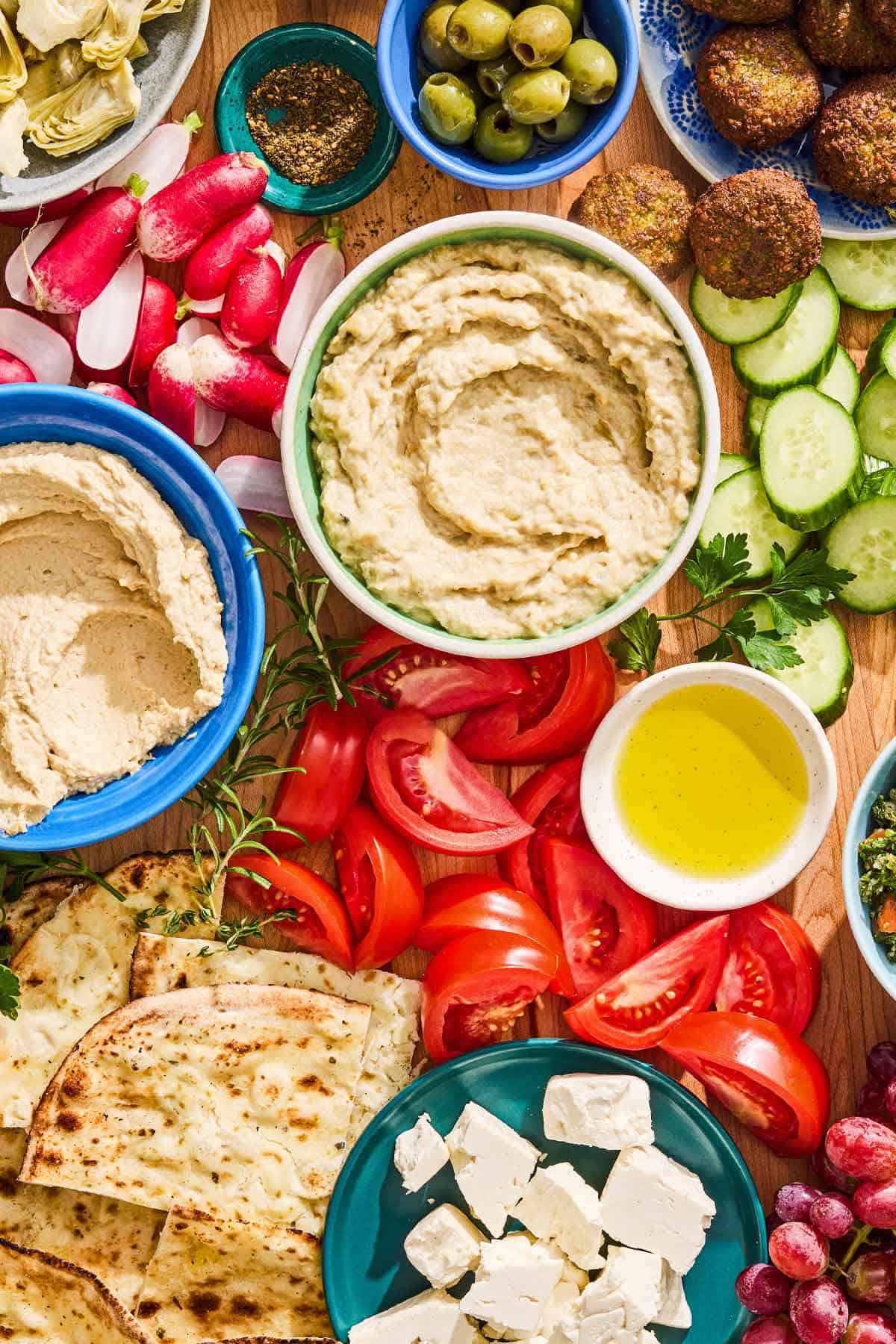
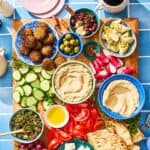
Inspired by my mother-in-law’s generous Levantine breakfasts, this Mediterranean breakfast platter brings together crisp falafel, creamy dips, fresh vegetables, and warm pita. With the individual dishes prepared ahead or bought ready-made, allow about 30 minutes to assemble the spread.
What Is a Mediterranean Breakfast?
A Mediterranean breakfast varies from country to country and household to household. It might be bread with cheese and fruit, yogurt with honey and nuts, or a savory meal of beans, eggs, and fresh vegetables. A large platter like this one is an invitation to gather for a leisurely breakfast or brunch.
In Egypt, where I grew up, ful mudammas, a comforting fava bean dish, is a breakfast staple. A boiled egg with sliced tomato and cucumber makes an equally simple morning meal. Yes, salad for breakfast!
My mother-in-law, a master of the Levantine kitchen, serves breakfast more like a feast: lots of little dishes meant for leisurely visits, big appetites, and long conversation. That is the spirit behind this platter, with its Eastern Mediterranean combination of falafel, dips, cheese, vegetables, and bread.
You do not need to make the whole spread for an ordinary morning. Hummus on toast with sliced cucumber, yogurt with fruit and nuts, or warm pita with cheese and tomatoes can be enough. For more everyday options, explore my Mediterranean diet breakfast ideas.
When you have company coming, though, this platter gives everyone plenty to choose from. Make the dips and salad ahead, or pick up prepared favorites from a good Middle Eastern market. Then bring everything together just before breakfast.
What Goes on a Mediterranean Breakfast Platter?
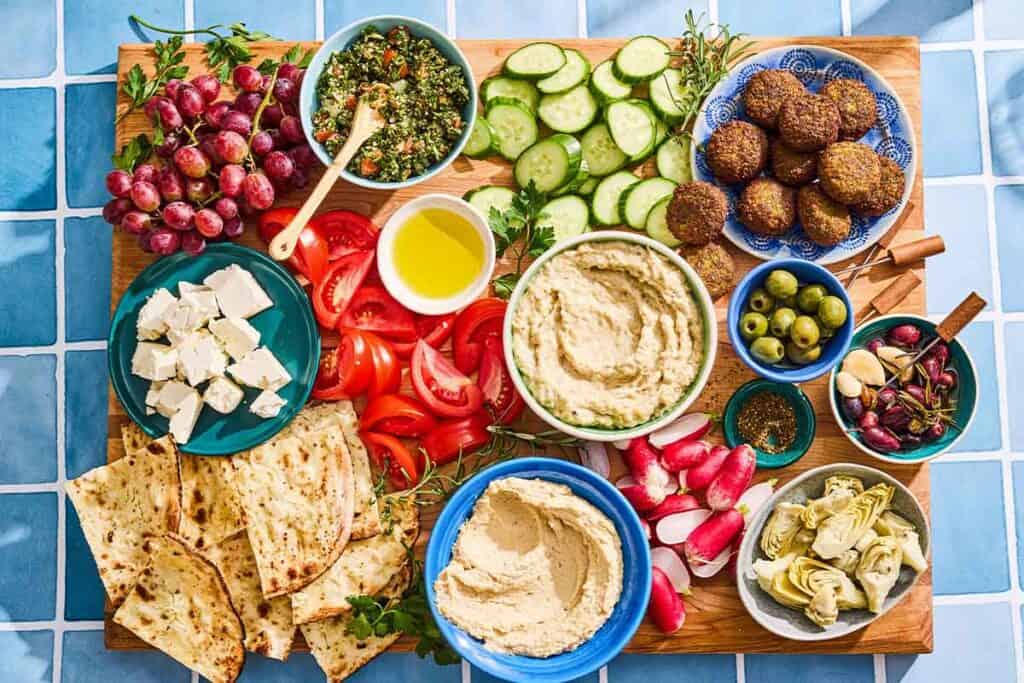
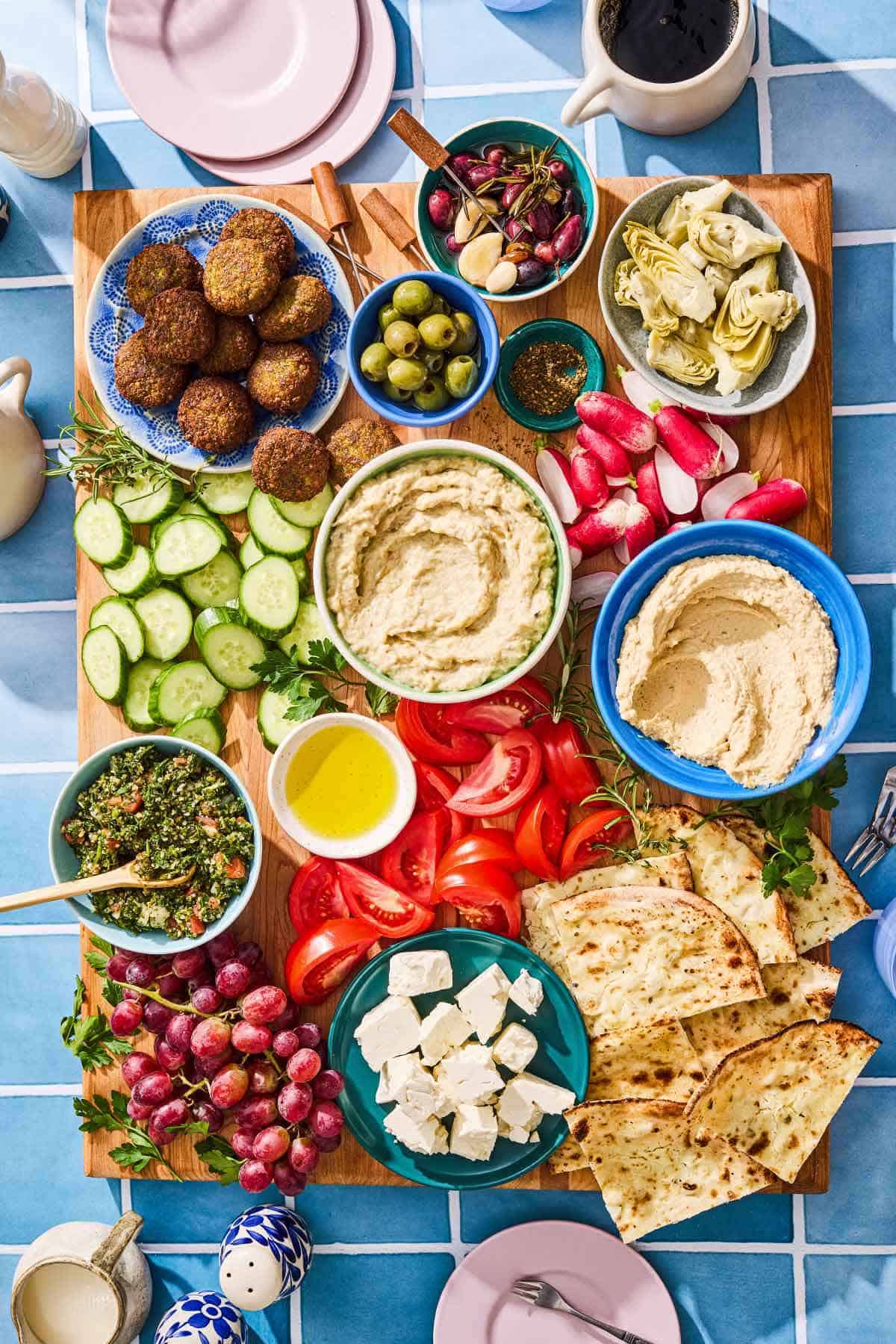
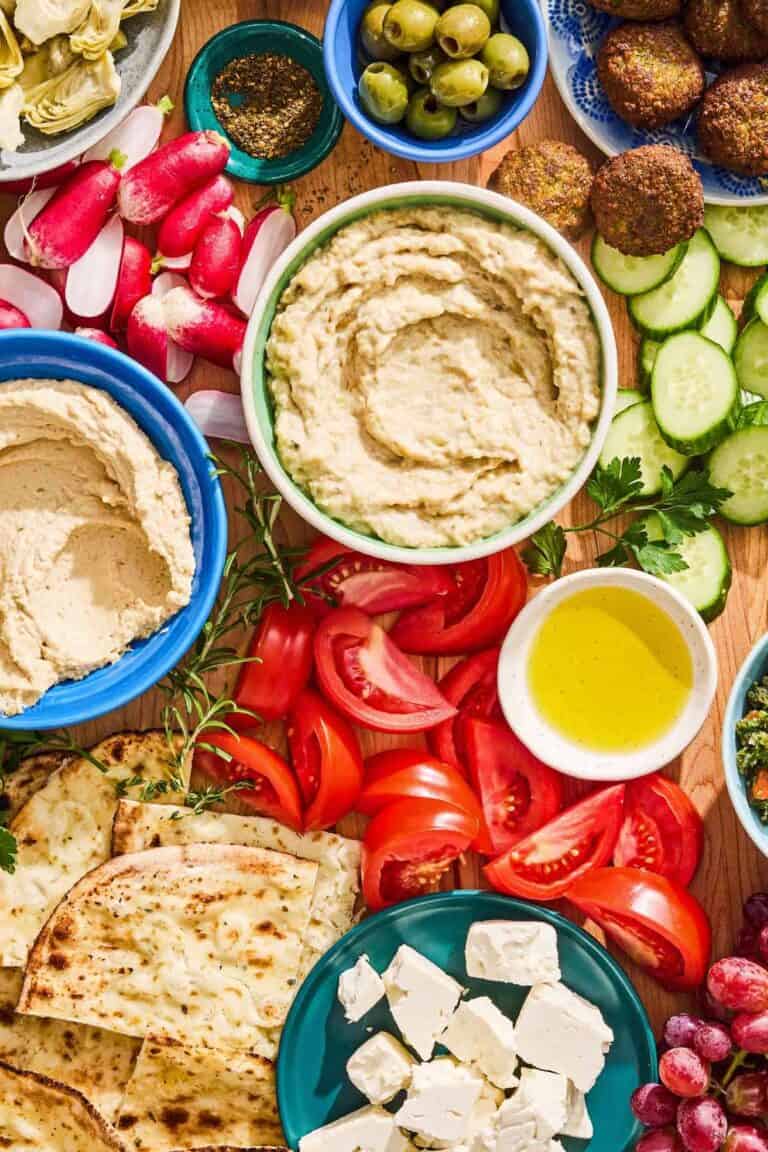
Think of the platter as a loose formula: something hearty, a few creamy dips, fresh vegetables, something briny, and bread for scooping. The contrast is part of the pleasure—a bite of crisp falafel, a spoonful of tangy cheese, then a cool slice of cucumber.
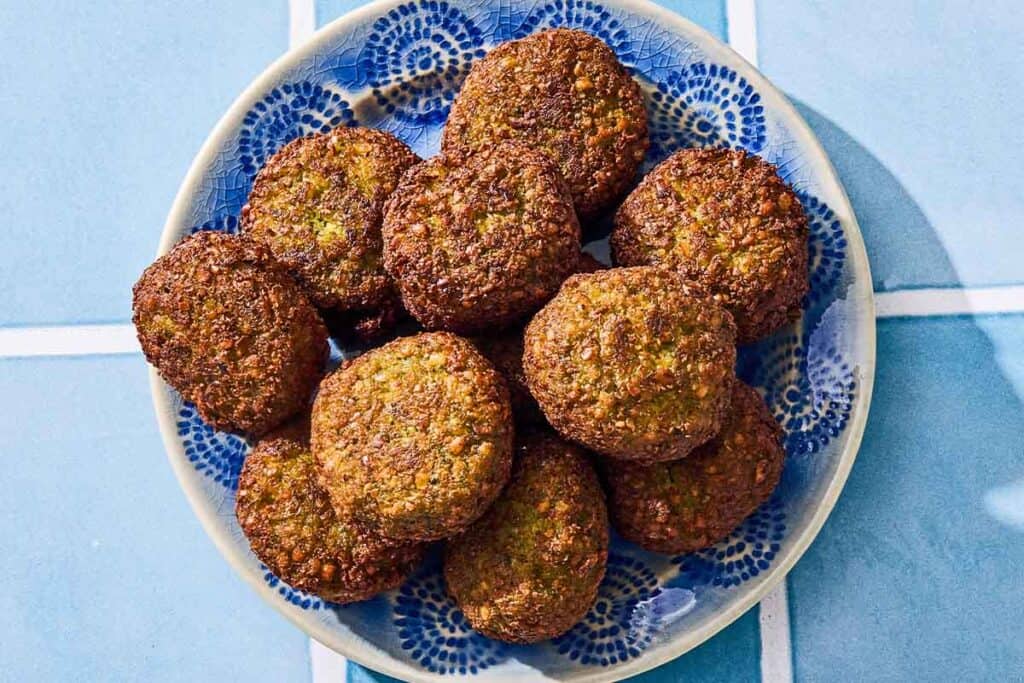
- Falafel: These chickpea-and-herb patties are the hearty centerpiece. Use homemade falafel or buy prepared falafel from a Middle Eastern market. If making them yourself, plan ahead for soaking the dried chickpeas and chilling the mixture.
- Hummus and baba ganoush: Hummus is a creamy chickpea dip, while baba ganoush brings the smoky flavor of roasted or charred eggplant. Both give you something to scoop up with pita, and both can be homemade or store-bought.
- Feta or labneh: Sliced feta adds a salty, tangy bite. For something spreadable, use labneh, a thick, tangy strained-yogurt cheese. You do not need a mountain of cheese, just enough to enjoy alongside the vegetables and bread.
- Tabouli: This finely chopped parsley salad includes bulgur wheat, vegetables, and a bright citrus dressing. My tabouli is generous with the parsley, so it brings a fresh, herbal contrast to the dips and falafel.
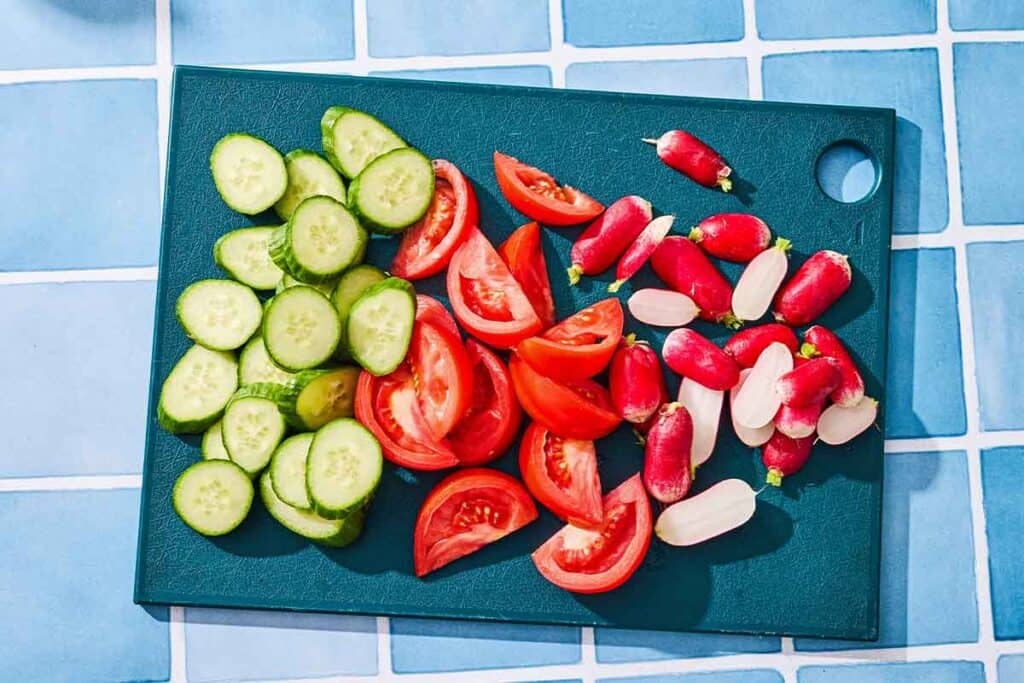
- Fresh vegetables: Sliced tomatoes, English cucumber, and halved or sliced radishes add juiciness and crunch. Leave them in pieces that are easy to pick up and eat alongside the other dishes.
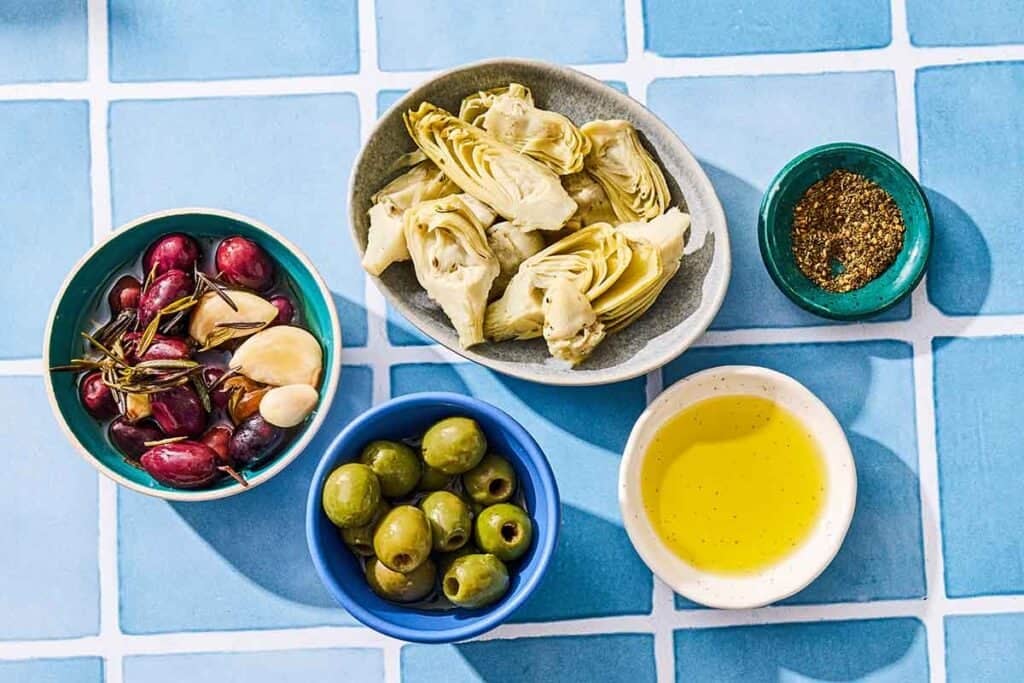
- Olives and marinated vegetables: I like a mix of green and Kalamata olives, along with marinated artichokes or mushrooms. Drain them before arranging them on the platter.
- Extra virgin olive oil and za’atar: Set out separate small bowls for dipping bread. Early Harvest Extra Virgin Olive Oil pairs with za’atar, an earthy, nutty Middle Eastern blend of wild thyme, sesame seeds, and tangy sumac.
- Pita bread: Warm pita ties the spread together, whether you are scooping up hummus or tucking falafel and vegetables into a bite. Use store-bought or homemade pita, cut into quarters.
- Grapes and fresh herbs: Grapes add a little sweetness between savory bites. Finish with fresh herbs for garnish, if you like.

How to Build a Mediterranean Breakfast Platter
Once the falafel, dips, and salad are ready, allow about 30 minutes to slice and arrange everything. If you are making the components from scratch, start a day or two ahead: the falafel needs a long chickpea soak and chilling time, and homemade labneh needs 24–48 hours to strain.
- Prepare the individual dishes. Make the falafel, hummus, baba ganoush, and tabouli following their linked instructions, or have your purchased versions ready. If using homemade labneh instead of feta, finish straining it before you begin assembling the platter.

- Slice the vegetables, cheese, and bread. Slice 1 to 2 tomatoes and 1 English cucumber. Halve or slice 6 to 7 radishes, slice the feta if using, and cut the pita into quarters. Drain the olives and marinated artichokes or mushrooms.
- Arrange the bowls. Gather a large board or platter and several small serving bowls. Spoon the hummus, baba ganoush, and tabouli into separate bowls, along with the labneh if using. Add small bowls of olive oil and za’atar. Place the largest bowl near the center, then arrange the others around it, leaving room between them.
- Add the falafel and feta. Arrange the falafel and sliced feta around the bowls. Leave a few open spaces for the vegetables, bread, and other small bites.
- Fill in the gaps. Tuck the tomatoes, cucumber, radishes, olives, and marinated vegetables into the spaces between the bowls. Add the warm pita quarters where they are easy to reach. There is no need to make everything perfectly symmetrical!
- Finish and serve. Add the grapes and garnish with fresh herbs, if you like. Serve with utensils for the dips and salad, and let everyone help themselves.
A Few Tips for a Generous Breakfast Platter
This is not a cheffy-chef situation. A few bowls, warm bread, and plenty of good things to eat are all you need. Here are a few details that make putting it together easier.
- Let the market help. Choose the dishes you want to make, then fill in with prepared favorites. A Middle Eastern market is a good place to find falafel, dips, and labneh. The grocery store’s olive bar can take care of the olives, marinated artichokes, mushrooms, or roasted peppers.
- For homemade hummus, try my mother-in-law’s trick. She taught me to add ice cubes while blending for a creamy, fluffy texture. In my hummus, I use two ice cubes and let the food processor run for 4 to 5 minutes. Give it that time to become smooth—those few extra minutes make a difference.
- Drain the briny things well. Olives and marinated vegetables bring plenty of flavor, but their liquid can run across the board and soak into the pita. Drain them before arranging, or give them their own little bowls.
- Keep the bread easy to reach. Everyone will be reaching for pita to scoop up the dips and salad. If the platter is getting crowded, put some of the bread on a separate plate alongside it. There is no need to squeeze everything onto one board.
Make It Your Own
You can keep the same generous spread and change a few flavors. Swap the classic hummus for roasted garlic hummus or roasted red pepper hummus. Use feta when you want slices of cheese to tuck around the bowls, or labneh when you want something creamy to spread on the pita.
For the marinated vegetables, choose artichokes, mushrooms, or roasted peppers. Alongside the fresh tomatoes, cucumber, and radishes, they give you that lovely mix of crisp, juicy, and briny bites.
What to Make Ahead
With a little preparation, you can sit down and enjoy breakfast with everyone else. Keep the components separate until serving time, and work backward from the dishes that need the longest head start.
- Start with the falafel and labneh. For homemade falafel, allow 18–24 hours to soak the dried chickpeas, plus at least 1 hour to chill the mixture before shaping and cooking. If you are making labneh, allow 24–48 hours for the yogurt to strain in the refrigerator.
- Make the dips and salad a day or two ahead. Prepare the hummus, baba ganoush, and tabouli, then refrigerate each in its own tightly covered container. Having these ready leaves much less to do when your guests arrive.
- Freeze uncooked falafel for a longer head start. Shape the patties and freeze them on a parchment-lined baking sheet. Once firm, transfer them to a freezer bag and freeze for up to 1 month. Follow the falafel instructions for frying or baking them from frozen.
- Finish the platter just before breakfast. Have your board, bowls, and serving utensils ready. Slice the vegetables and feta, cook the falafel, and warm the pita. Bring out the refrigerated components when you are ready to arrange and serve.
What to Serve with a Mediterranean Breakfast Platter
With falafel, dips, cheese, salad, and bread, there is already plenty to eat. For a larger brunch, add one warm egg dish to the table.
Shakshuka, eggs gently poached in a tomato and pepper sauce, fits right in. In Egypt, it is often served alongside falafel and ful mudammas, so these are familiar breakfast companions.
A spinach and feta frittata or Mediterranean egg casserole would also be lovely. Choose whichever suits your morning, bring it to the table warm, and pass the pita!
Serving and Storing Leftovers
For a long brunch, set out smaller portions of the perishable foods and keep the rest refrigerated. Replace nearly empty dishes with freshly filled ones instead of adding more food to the same bowl.
Refrigerate leftover falafel, dips, cheese, tabouli, and cut vegetables in separate covered containers within 2 hours of setting them out, or within 1 hour if the temperature is above 90°F. Discard perishables left out longer than those limits.
Use cooked leftovers within 3–4 days of when they were originally prepared, counting any days spent in the refrigerator before brunch. Follow shorter storage instructions where applicable and the package directions for purchased components.
More Mediterranean Breakfast Recipes
Mediterranean Breakfast Platter

Ingredients
- Falafel, store-bought or homemade
- Hummus, store-bought or homemade
- Baba Ganoush, store-bought or homemade
- Feta cheese or labneh
- Tabouli, store-bought or homemade
- 1 to 2 tomatoes, sliced
- 1 English cucumber, sliced
- 6 to 7 radishes, halved or sliced
- Assorted olives, such as green olives and Kalamata olives
- Marinated artichokes or mushrooms, drained
- Extra virgin olive oil, for dipping
- Za'atar, for dipping
- Pita Bread, sliced into quarters
- Grapes, for a palate cleanser
- Fresh herbs, for garnish
Instructions
- Plan ahead. If making the individual dishes from scratch, start a day or two before serving. Homemade falafel requires an 18–24-hour chickpea soak and at least 1 hour of chilling before shaping and cooking. Homemade labneh needs 24–48 hours to strain in the refrigerator.
- Prepare the falafel and dips. Make the falafel, hummus, and baba ganoush following their linked instructions, or use prepared versions. You can also swap the classic hummus for roasted garlic hummus or roasted red pepper hummus.
- Prepare the cheese and salad. Slice the feta or have your labneh ready. Make the tabouli following its linked instructions, or use store-bought. Keep the dips, labneh, and tabouli refrigerated until you are ready to assemble.
- Prepare the fresh ingredients. Slice the tomatoes and cucumber, then halve or slice the radishes. Drain the olives and marinated vegetables. Warm the pita and cut it into quarters.
- Arrange the bowls. Spoon the hummus, baba ganoush, and tabouli into separate bowls, along with the labneh if using. Add small bowls of olive oil and za’atar. Place the largest bowl near the center of a large board or platter, then arrange the others around it, leaving spaces between them.
- Build the platter. Arrange the falafel and feta around the bowls. Fill the spaces with the fresh vegetables, olives, marinated artichokes or mushrooms, and warm pita. Do not overthink this part! If the board gets crowded, serve some of the pita on a separate plate.
- Finish and serve. Add the grapes and garnish with fresh herbs, if you like. Set out serving utensils for the dips and salad, and let everyone help themselves.
Recipe Notes
- About the timing: The 30 minutes covers slicing and assembling the platter with prepared components. Making the falafel, dips, salad, labneh, or pita from scratch takes additional time.
- Make the cold components ahead: Prepare the hummus, baba ganoush, and tabouli 1 to 2 days ahead. Refrigerate them separately in tightly covered containers until serving time.
- Freeze falafel ahead: Freeze uncooked patties on a parchment-lined baking sheet, then transfer them to a freezer bag once firm. Freeze for up to 1 month and follow the linked falafel instructions for frying or baking from frozen.
- Change the hummus: Try roasted garlic hummus or roasted red pepper hummus in place of classic hummus.
- Visit the olive bar: Prepared olives, marinated artichokes, mushrooms, and roasted peppers make easy additions to the spread. Drain them well before arranging.
- For a larger brunch: Add shakshuka, a spinach and feta frittata, or a Mediterranean egg casserole.
- Serving and leftovers: For a longer brunch, keep extra portions refrigerated and replace nearly empty dishes with freshly filled ones. Refrigerate perishable components separately within 2 hours, or within 1 hour above 90°F. Discard perishables left out longer. Use cooked leftovers within 3–4 days of their original preparation, counting any days refrigerated before brunch. Follow shorter storage instructions where applicable and package directions for purchased components.
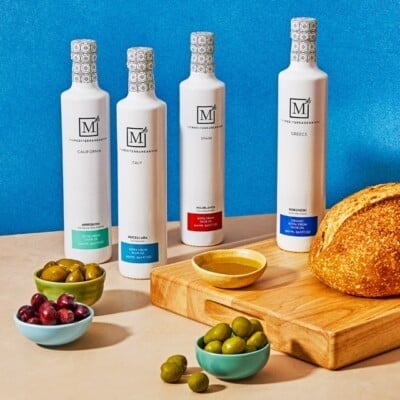
- Shop this recipe: Set out Early Harvest Extra Virgin Olive Oil and Za’atar Spice Blend in small bowls for dipping warm pita.
Shop Suzy’s curated selection of Mediterranean olive oils, spices, and more.
Bundle and Save!
Four of our best-selling signature olive oils, perfect for everyday use.











I am so excited about using this website!
Added stuffed grape leaves.
Hi! I love your content here. I unfortunately have an egg sensitivity, so I was looking for recipes that do not use egg.
Hi, Kristan! We have tons of recipes on the site that do not contain eggs. If you’re looking specifically for breakfast ideas, I highly recommend our Sweet Potato Hash (just leave out the egg… still plenty of goodness there), Mediterranean Style Breakfast toast (be sure to use vegan bread), or Tahini Date Shake.
This was exactly the kick in the pants that I needed to start eating breakfast like my Eastern European roots, and away from convenience foods. Thank you, Suzy!
Glad to help :).
I love this mezze board and info on falafel! Thank you for your awesome blog.
Our pleasure, Duann! Thanks so much for your support!
Hi, I love all of your recipes thank you for sharing them! Could you recommend a Middle Eastern store? I live in North Fulton county. TIA
Kim
We love Global SuperMarket in Alpharetta!
I want to eat healthier.