What Is Za’atar? How to Use It + 11 Recipes

This post may contain affiliate links. Please read our disclosure policy.

Za’atar is an aromatic Middle Eastern blend of herbs, sumac, and sesame seeds that brings tangy, nutty flavor to everything from breakfast eggs to roast chicken.
What Is Za’atar? A Seasoning I Always Keep on Hand
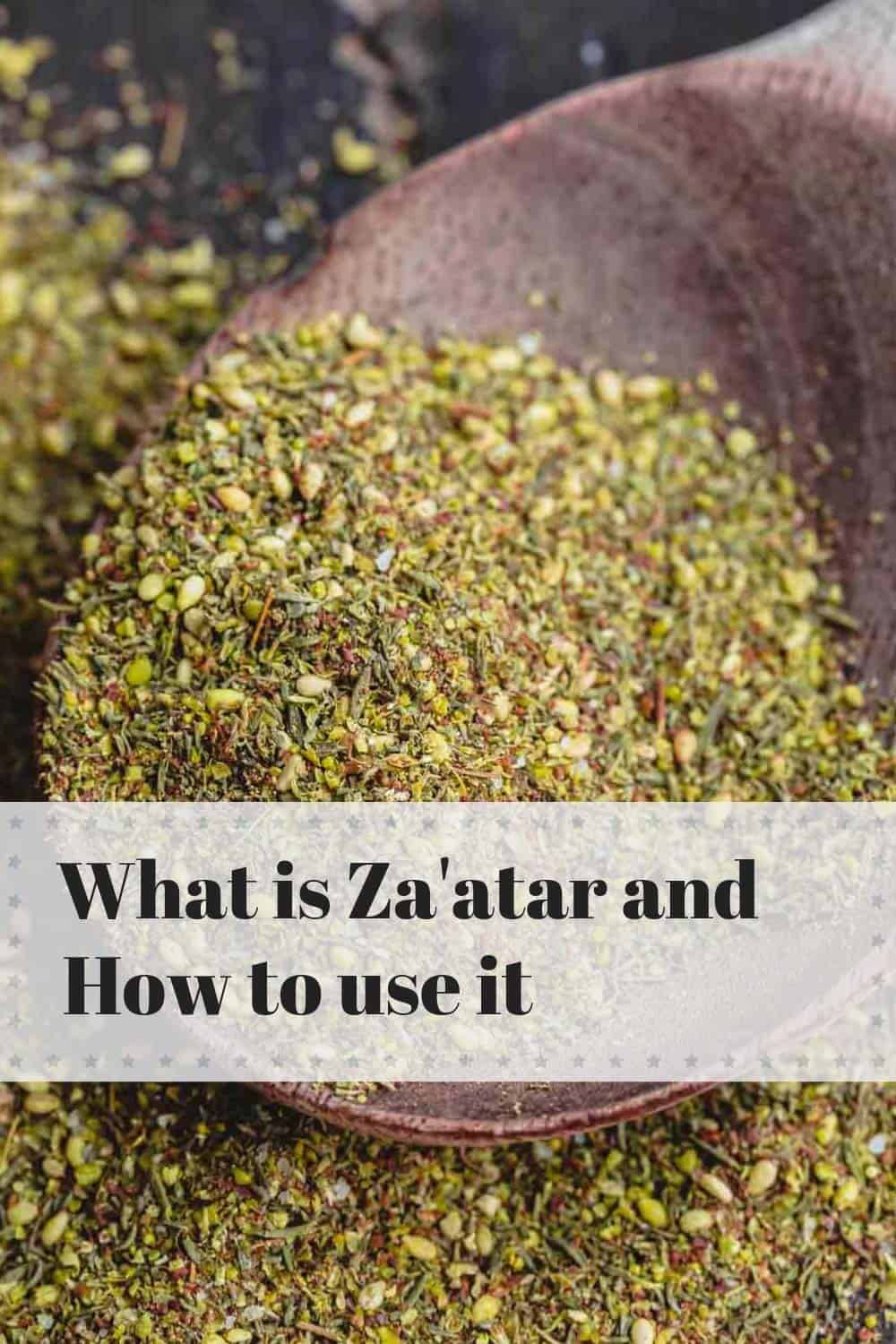
If there is one seasoning blend I absolutely cannot live without, it’s za’atar! Earthy herbs, tangy sumac, and nutty sesame seeds give this Middle Eastern pantry staple both bold flavor and a little texture. You’ll also see it spelled zaatar, without the apostrophe.
I use za’atar regularly, whether I’m seasoning sliced tomatoes for a snack, adding it to breakfast eggs, or roasting chicken for dinner. You don’t need an elaborate meal to enjoy it. A little olive oil, some bread for dipping, and a bowl of za’atar are a delicious place to start.
Over the years, I’ve tried more blends than I care to remember, and their flavor and texture can vary quite a bit. Some are more herbaceous, while others have a stronger tang from the sumac or more crunch from sesame seeds. Knowing what’s in the jar helps you choose a blend and put it to good use.
Below, you’ll find what to look for when buying za’atar, simple ways to cook with it, and 11 recipes to try, from breakfast and salads to chicken and fish.
Is Za’atar an Herb or a Spice Blend?
Both! Za’atar can refer to an aromatic herb as well as the seasoning blend made with it. One herb known by this name is Origanum syriacum, also called Syrian oregano.
When you see za’atar in my ingredient lists, I’m referring to the dried seasoning blend. Look for a mixture of herbs, sesame seeds, and sumac, usually with salt. A jar of dried thyme or oregano alone won’t give you the same tangy flavor and nutty texture.
What Does Za’atar Taste Like?
Za’atar is herbaceous, earthy, tangy, and nutty. The herbs give it a savory aroma, sumac adds a lemony tartness, and sesame seeds bring nuttiness and a gentle crunch.
Sumac’s tang is especially useful with richer foods: it adds brightness to olive oil, creamy dips, and roasted meats. The sesame seeds also give a sprinkle of za’atar more texture than you’d get from dried herbs alone.
What Is in Za’atar?
The ingredients and their proportions vary from blend to blend, but these are the main components to look for:
- Herbs: These form the aromatic base. You may see za’atar herb, wild thyme, oregano, or a combination listed on the label. The herb used helps determine how the finished blend smells and tastes.
- Sumac: A reddish spice made from dried, ground sumac berries, sumac supplies za’atar’s characteristic tang. It tastes lemony, though it contains no lemon. My guide to sumac explains more about its flavor and uses.
- Sesame seeds: These add texture and nuttiness. Toasted sesame seeds have a deeper, roasted flavor that complements the herbs.
- Salt: Many blends include salt, so check the label before adding more to your food.
Sumac and za’atar aren’t interchangeable: sumac is one ingredient in the blend. Using it alone gives you tartness without the herbs or sesame seeds.
How to Choose Za’atar
My best advice is to read the ingredient label. Look for clearly named herbs, sesame seeds, and sumac so you know what you’re buying. If you want the fruity, lemony flavor of sumac, check that it’s included rather than relying on the blend’s color.
Once you open the jar, take a moment to smell and taste a small pinch. Is it especially tangy? More herbaceous? Quite salty? That gives you a useful starting point before you sprinkle it over tomatoes or mix it with olive oil.
There’s room for variation here. Different proportions of herbs, sumac, and sesame seeds change the color and texture, so a greener blend isn’t automatically a better one.
Where to Buy Za’atar
Look for za’atar in Middle Eastern and Mediterranean grocery stores, specialty spice shops, or the spice aisle of a well-stocked supermarket.
At The Mediterranean Dish shop, we’ve partnered with Z&Z to offer a za’atar blend made with wild thyme, toasted sesame seeds, sumac, salt, and sunflower oil. The za’atar is harvested in Palestine, and the blend is made in D.C.
How to Store Za’atar
Keep za’atar tightly sealed in a cool, dry place away from heat and direct sunlight. A cupboard away from the stove is a better spot than a sunny countertop or a shelf directly above the burners.
Close the jar after each use to help preserve the blend’s aroma and flavor, and follow any storage instructions on the package.
How to Use Za’atar
You can cook with za’atar or sprinkle it over food just before serving. I use it both ways! It seasons chicken and vegetables before they go into the oven, but it’s just as useful for finishing eggs, salads, and dips.
If you’re opening your first jar, start with something simple so you can taste the blend:
- Serve with bread and olive oil. Dip a piece of bread into olive oil, then into za’atar. Or stir the seasoning into a small bowl of olive oil and scoop it up with bread.
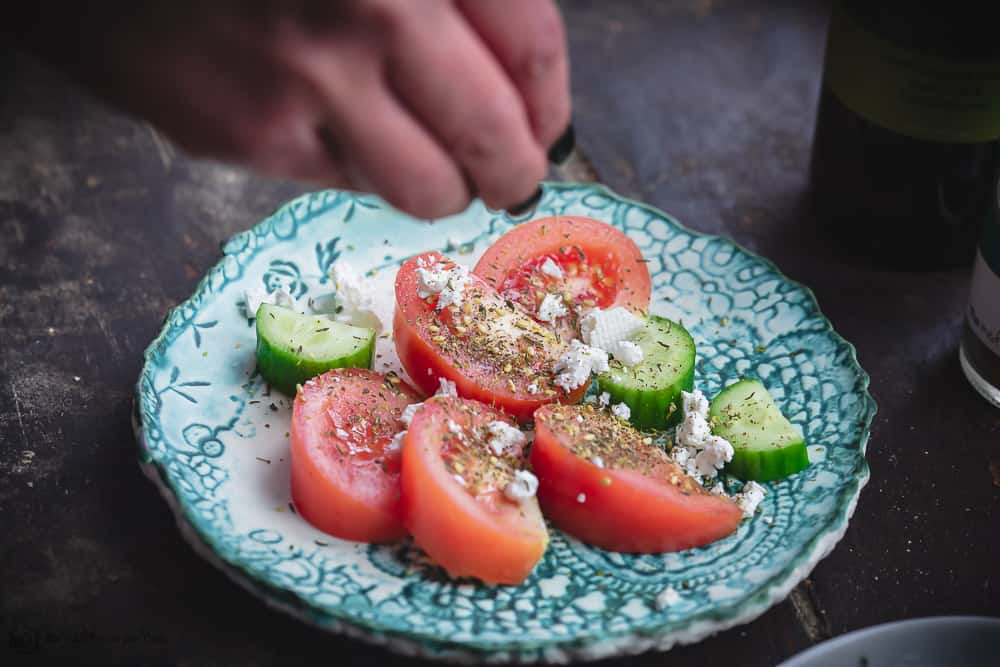
- Sprinkle over tomatoes, cucumbers, or avocado. Add a drizzle of olive oil, then the za’atar. Taste before adding salt, especially if your blend already contains it.
- Add to breakfast eggs. Sprinkle a little over cooked eggs, or use it to season the vegetables underneath baked eggs.
- Finish a creamy dip. A sprinkle over hummus or labneh, a thick strained yogurt, adds herbs, tang, and sesame crunch. Finish with a little olive oil and serve with vegetables or bread.
- Stir into salad dressing. Combine it with olive oil, lemon juice, and garlic, as I do in my avocado salad below. The sumac adds another layer of tartness alongside the lemon.
- Use in a cooked dish. Add it to pasta, season chicken before roasting, or divide it between fish and vegetables for a sheet pan dinner.
For a finishing sprinkle, start with a little and taste as you go. For baking or roasting, follow the amounts and placement in the linked dishes below: za’atar mixed into a bread topping behaves differently from a dry sprinkle added at the table.
What Can I Substitute for Za’atar?
The best substitute depends on what you’re making. Dried oregano works in my breakfast pita pizza and avocado salad when you want an herbaceous seasoning, though it won’t provide za’atar’s sumac tang or sesame crunch.
For dishes where za’atar is the main flavor, such as manaqish or za’atar bread rolls, I recommend using the blend. Replacing it with a single dried herb would change much of what makes those breads distinctive.
Sumac alone isn’t a direct substitute either. It supplies tartness, but you’d still be missing the herbs and sesame seeds.
11 Za’atar Recipes to Try
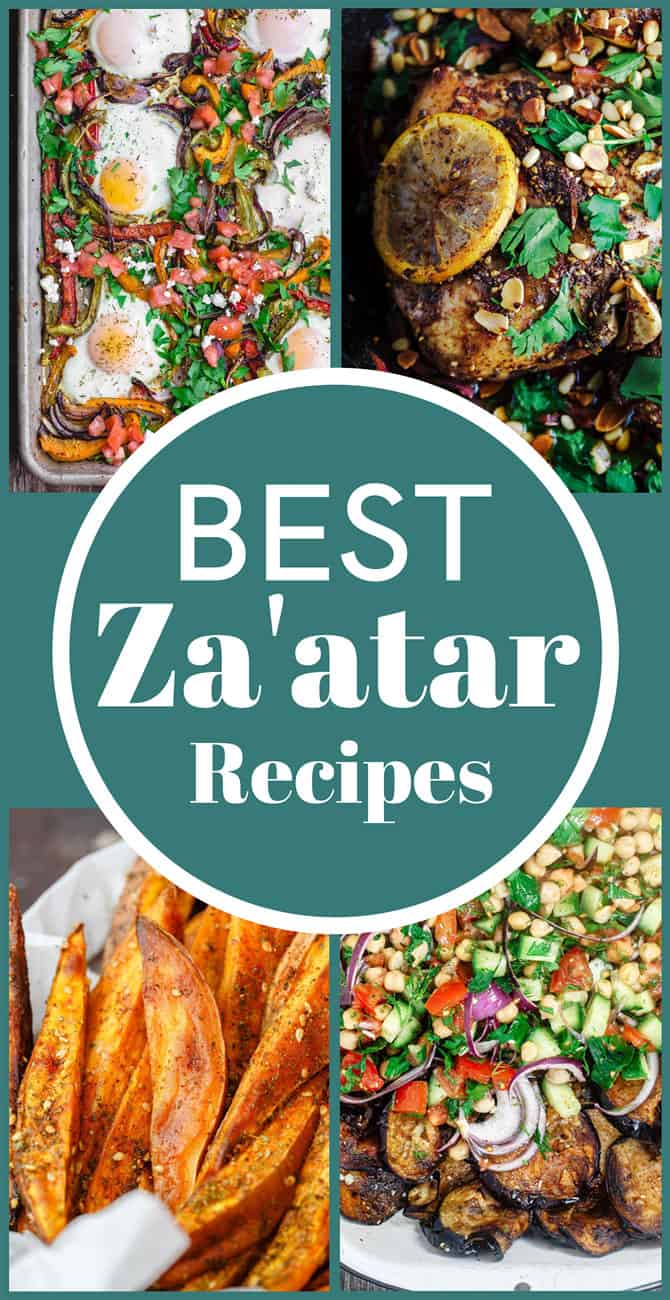
For a simple place to start, choose the breakfast pita pizza or avocado salad. When you have time to bake, manaqish and soft za’atar rolls let the seasoning take center stage. And for dinner, try it with garlicky spinach pasta, roasted chicken, or salmon and vegetables.
Breads and Breakfast
1. Za’atar Manaqish
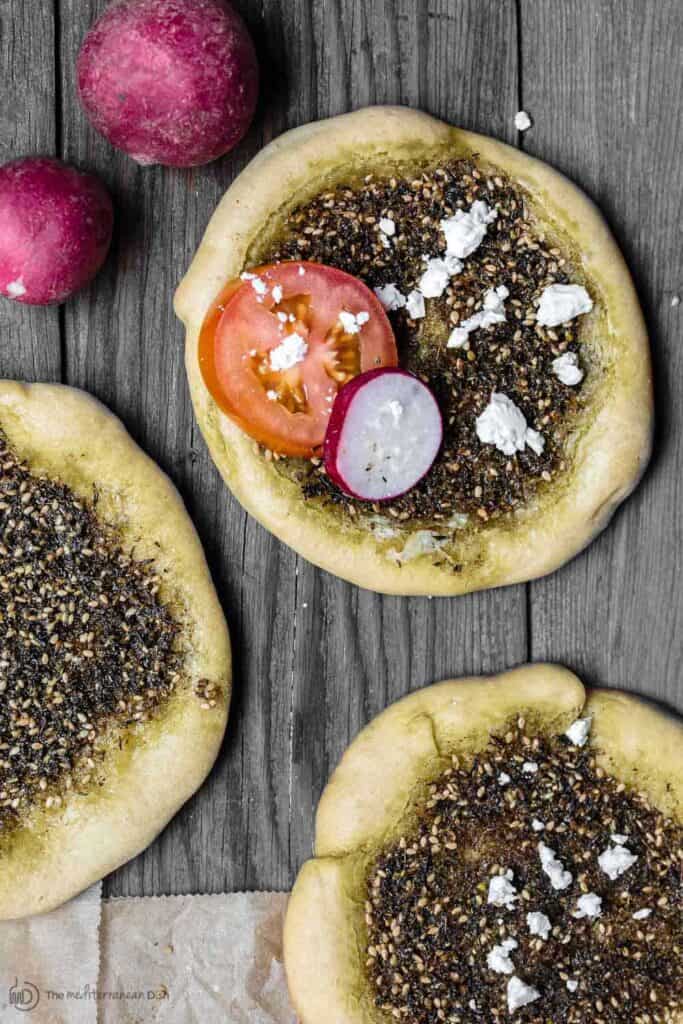
My mother-in-law first introduced me to making these savory Levantine flatbreads. A mixture of za’atar and olive oil settles into little fingertip indentations in the dough as it bakes. Serve them warm with labneh or feta, olives, and sliced vegetables. Allow time for the two dough rises before baking.
2. Za’atar Bread Rolls
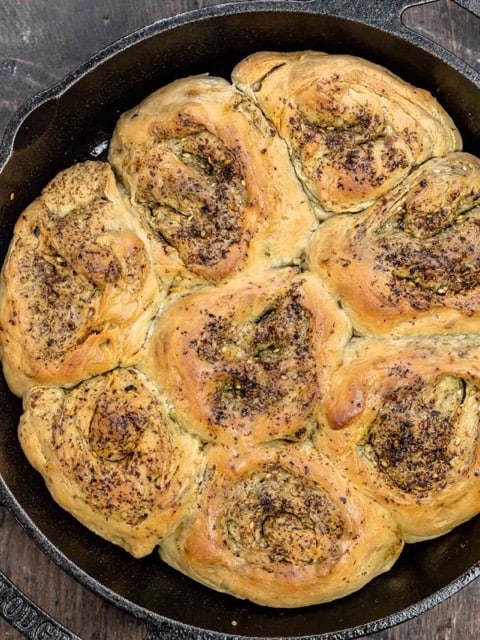
These soft, spiraled rolls come from my friend Georgina Hayden’s cookbook, Nistisima. Za’atar fills the layers, along with a little Aleppo pepper, a gently spicy pepper with a fruity flavor. Baked together in a skillet, they’re lovely with soup or as a savory breakfast. Save them for a day when you have time for the dough to rise twice.

3. Breakfast Pita Pizza with Za’atar
Store-bought pita makes a crisp base for melted mozzarella, za’atar, shallot, tomato, and grated hard-boiled egg. This is a useful choice when you already have cooked eggs in the fridge and want a savory breakfast or quick lunch without making dough.

4. Sheet Pan Eggs and Vegetables
Bell peppers and red onion roast with za’atar, cumin, and Aleppo pepper before the eggs join them on the pan. Finish with fresh tomatoes, parsley, and feta, and bring bread to the table for scooping everything up. It’s an easy way to cook several eggs together without standing over a skillet.
Salads and Sides
5. Grilled Eggplant Salad with Za’atar Pita Crisps
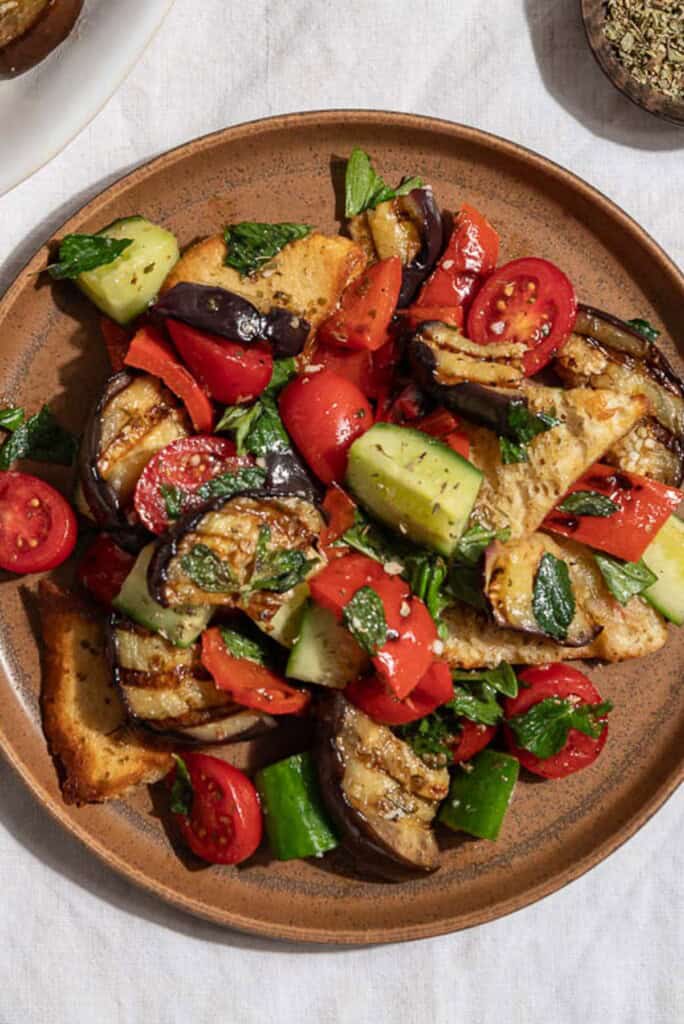
Tender grilled eggplant and red peppers meet fresh tomatoes, cucumbers, herbs, and a lemon dressing. The za’atar pita crisps add a savory crunch alongside the soft vegetables. Serve as a vegetable-filled main or a side for a grilled dinner.
6. Mediterranean Chickpea Salad with Za’atar and Eggplant
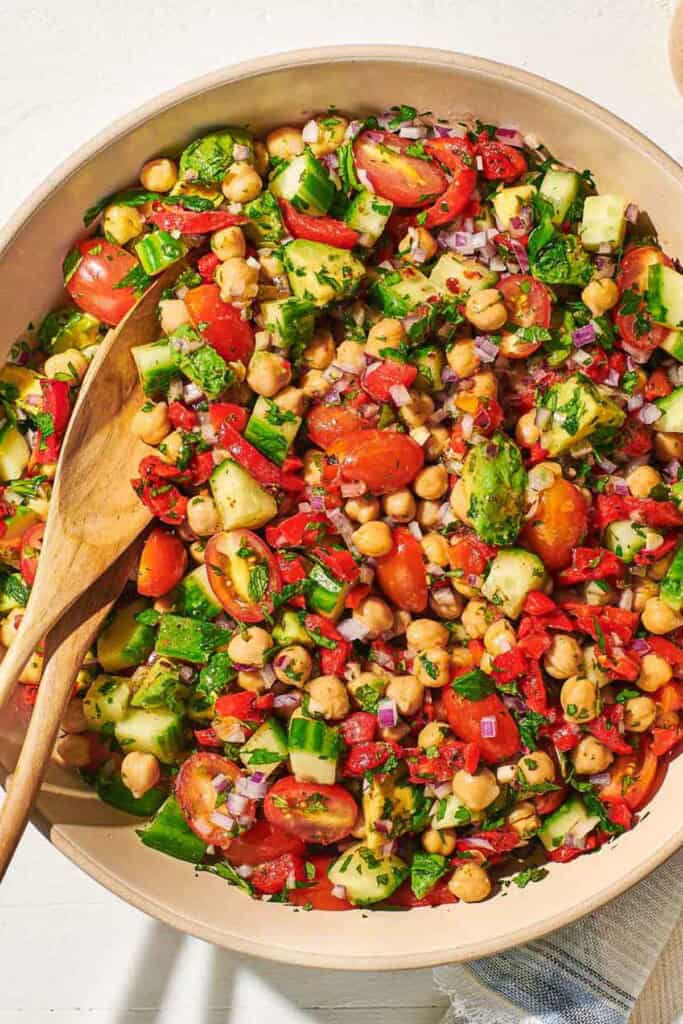
Chickpeas, tomatoes, cucumbers, dill, and parsley get a tangy garlic-lime dressing and a sprinkle of za’atar. Add fried or roasted eggplant for creamy texture and browned edges, or leave it out when you want a simpler chickpea salad. The eggplant is optional; there’s plenty of flavor either way.
7. Mediterranean Avocado Salad
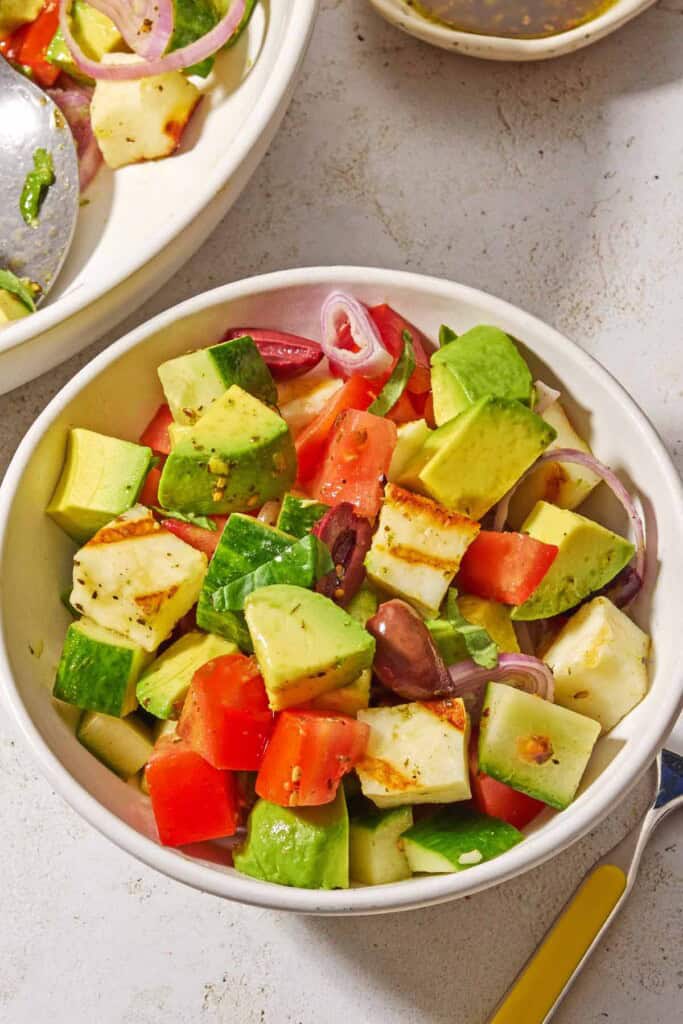
Za’atar goes into the lemon-garlic dressing, seasoning the creamy avocado, tomatoes, and cucumber throughout. Add golden grilled halloumi, a firm cheese that holds its shape when heated, for a salty contrast. Or use feta when you’d rather skip cooking the cheese.
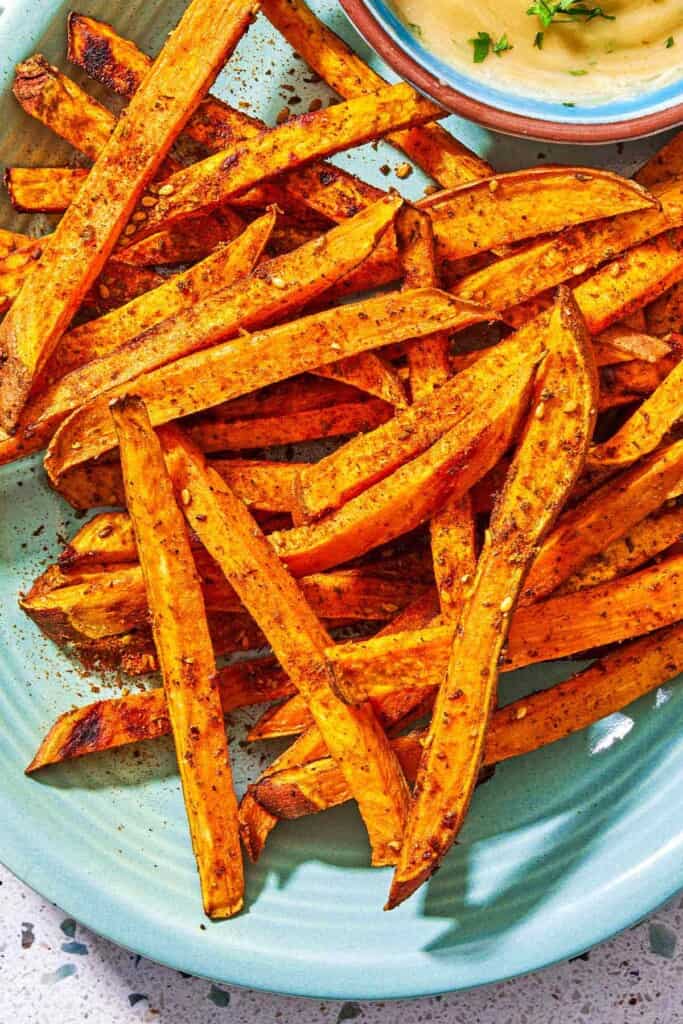
8. Baked Sweet Potato Fries with Za’atar
Za’atar, sweet paprika, and a little cayenne balance the sweet potatoes’ natural sweetness. These oven-baked fries are especially good with creamy tahini sauce for dipping. Give the potatoes room on the baking sheets so they roast rather than steam.
Pasta, Chicken, and Fish
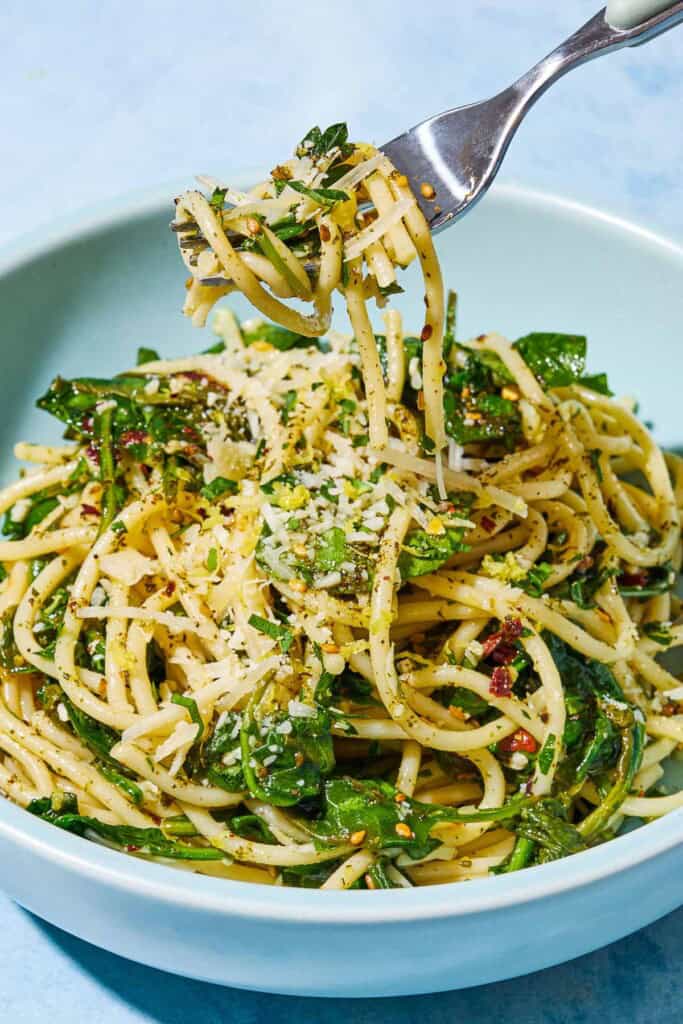
9. Spinach Pasta with Za’atar, Lemon, and Parsley
Spaghetti and baby spinach are tossed with garlic, olive oil, and starchy pasta water to make a silky sauce. Za’atar adds earthy, tangy flavor, while Parmesan, lemon, and parsley finish the dish. It’s a delicious way to use the blend beyond bread and roasted meats.
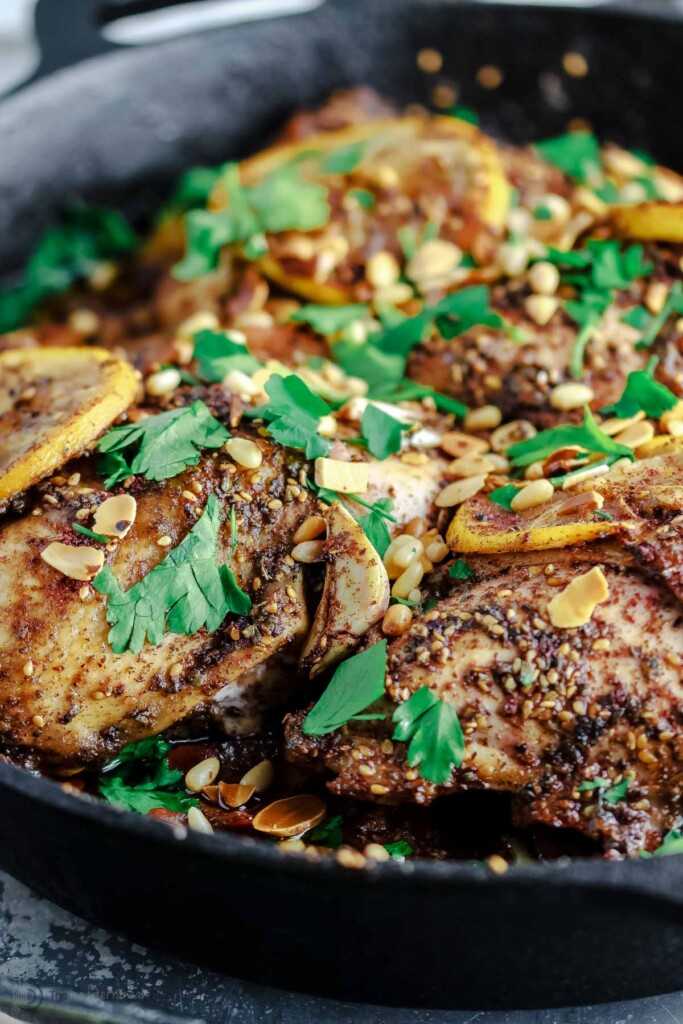
10. Za’atar Roasted Chicken Breast
Bone-in, skin-on chicken breasts marinate with lemon, garlic, sumac, cinnamon, and allspice before roasting. Za’atar seasons the chicken before cooking and again at the end, with toasted almonds, pine nuts, and parsley. Plan for the required four-hour marinade; this is a dinner to start ahead.
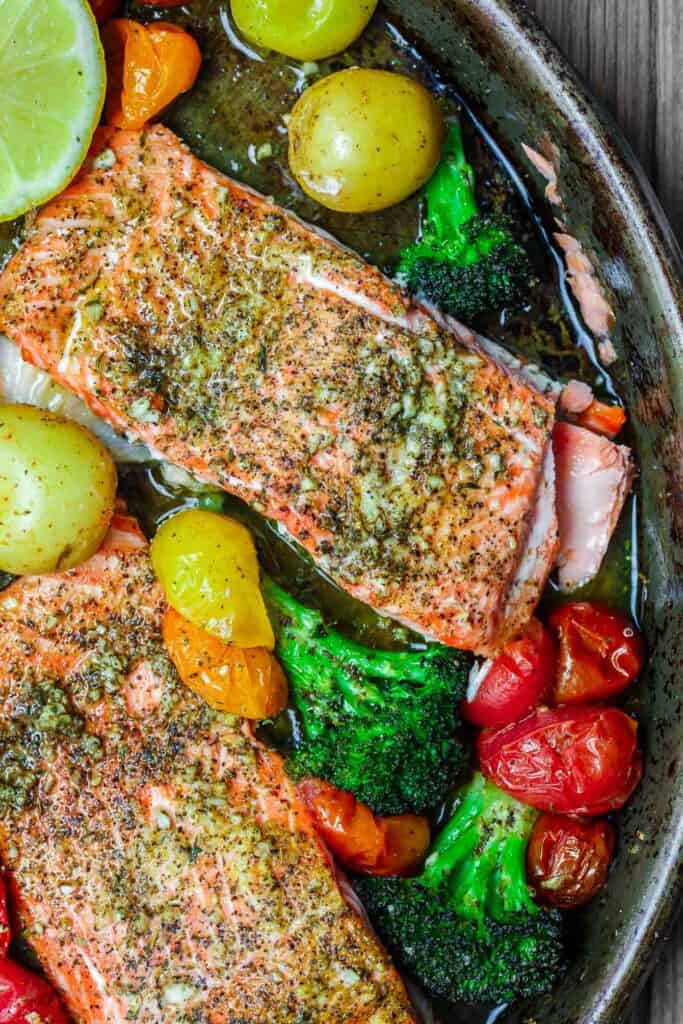
11. Za’atar Garlic Salmon and Vegetables
Salmon, baby potatoes, broccoli, and tomatoes share a sheet pan, with garlic, za’atar, and coriander seasoning both the fish and vegetables. Lemon juice and another sprinkle of za’atar finish the dish. Use very small potatoes as directed, or give larger pieces a head start so they’re tender when the salmon is ready.
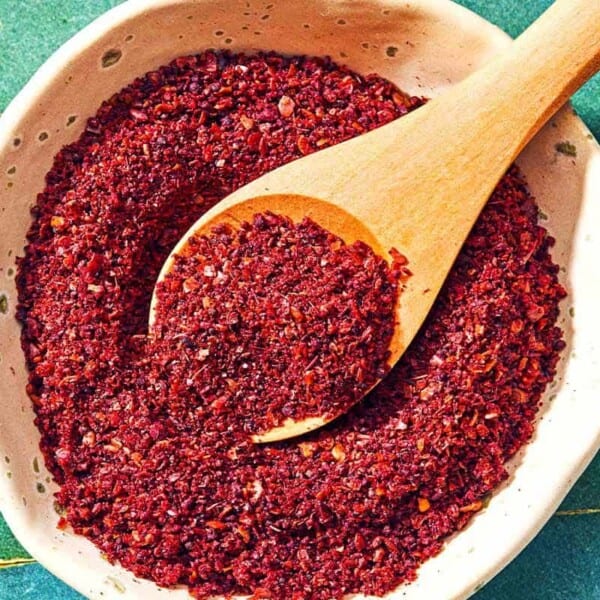
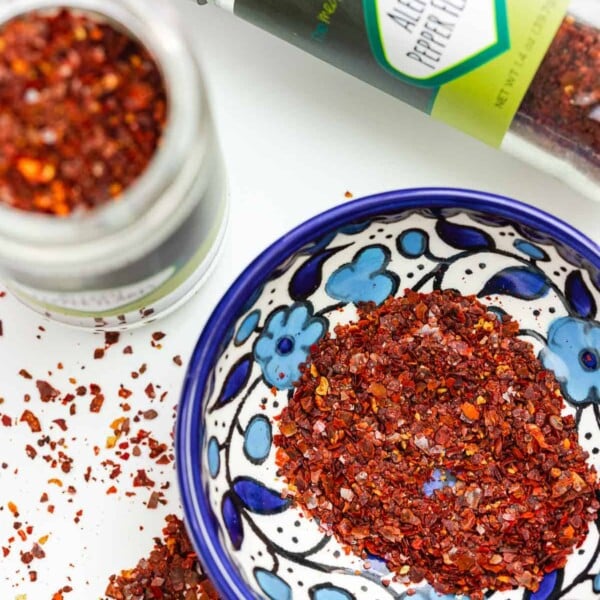
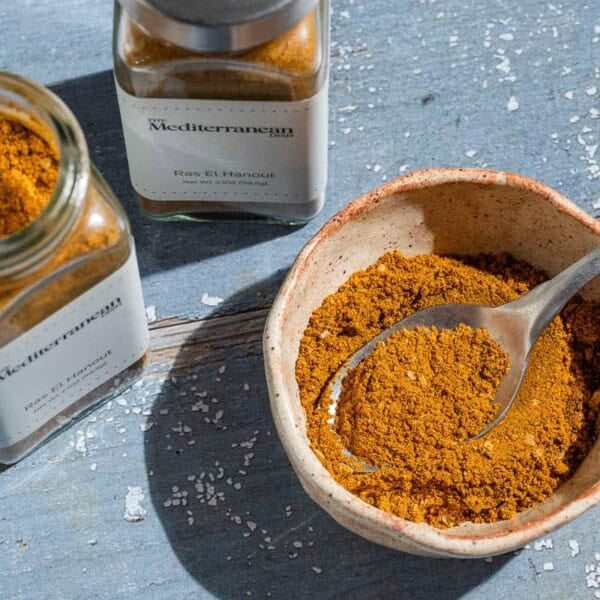
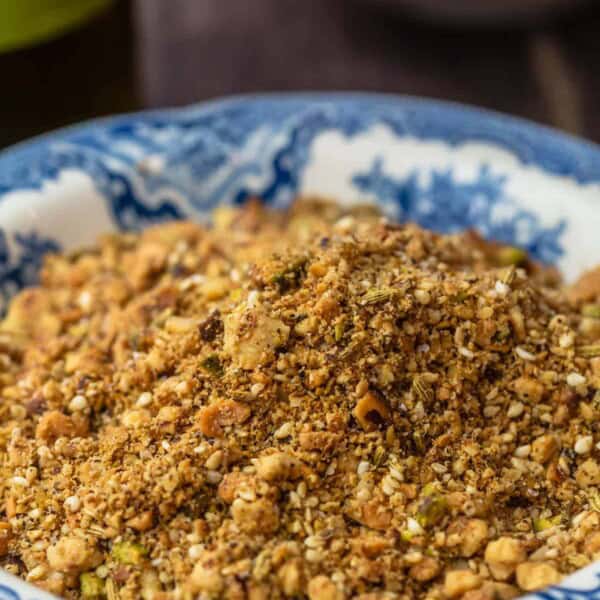
More Mediterranean Spices and Seasonings to Explore
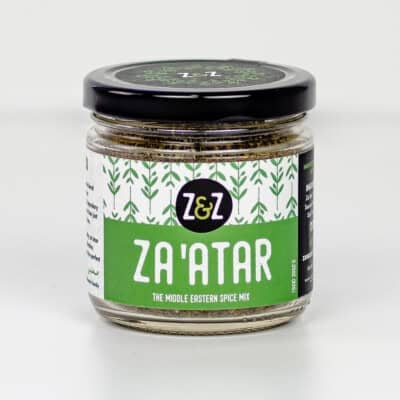
Try Our Favorite Za’atar!
Jazz up your dinner with this aromatic, tart, and savory spice blend.











Could you please share your Za-aatar recipe. I’m from. South Africa and need to create my own.
I’m so sorry, Riana, but we don’t have a za’atar recipe at the moment.
Discovered this on my “ dream trip” to Israel several yrs ago. Appreciate this site n learning how to use in recipes. Thsnk you❤️
no comment, though may like to try a bottle of Zataar!
Hi, Ashok! You can click here to find some amazing za’atar in our online shop! Hope you do give it a try!
Do you make your own Zaa’tar
Hi, Sharene! We don’t, since we have an amazing Za’atar that we sell in our online shop. You can check it out here.
Love anything Mediterranean especially food. The healthiest there is.
I was introduced to Za’atar in the Old City Jerusalem with these breads that were sold off a cart. Have used it in cooking since the early 90’s.
I have a package with no labeling to know what it is. Can someone help? Name brand is Alrifai with pictures of nuts on the bag. It is a ground green powder with sesame seeds in it.
I’m Sooo grateful to have found Za”atar this day. Being a celiac person is so trying for 12 long years. Lost a lot of weight
Can’t wait to try this BIBLICAL recipe. This could save my Daughter’s life and mine. Extremely happy for a CHANGE in MY Life.
HALLELUJAH. Peace and LOVE🌈✌️❤️👈🤗
Can I purchase your product in Australia? Particularly interest in Za’Atar. I have just joined up your mailing list and cannot wait to receive your e-book. So thrilled to have found your website. Many thanks, Rosemarie 🙂
Hi, Rosie. Unfortunately, we don’t ship internationally at the moment. We hope to in the future, though!
I like to try different spice mix, I finally looked it online. I found you! Recipes using Zaatar. I bought a bag from Nuts.com. After reading about the spice mix in your article here I’m gonna check the ingredients on the bag from Nuts.com. I only want the best ingredients!
Za’atar is a great spice to try! If you are unhappy with the brand you purchased, we do sell an amazing and super-flavorful za’atar in our online shop.
My father was recently in Lebanon and bought back some zaatar herb, some sesame and sumac. I’m not quite sure how to mix it, in what proportion. Also, do I have to grind the sesame a bit? Thanks!
Suzy, I just finished reading the Spring edition of Spark and was happy that you are finding success as a Mediterranean cook and author. My wife and I graduated from Calvin in 1971 and avidly follow the students, alumni and events/developments at the university. God has given you success by/through your faith in God, your family, your academic/social background and a thousand other influences. Praise Him.
Awww! Thanks you so much, Glenn!
I purchased the Za’atar but haven’t been good about using. I want to start but I don’t see an expiration date on the bottle. How long will it last?
Hi, Elizabeth. Our current stock of Za’atar has a best buy date of June 1, 2024. Most often, spices just tend to start loosing flavor after a year or so.
I love using Zaarta. It makes everything so flavorful.I do it with eggs and Avacardo. I mixed it with some soft butter and smooth it between the chicken skin and meat and roasted it. So delicious…my son loved it. I also like all of your other spices and herbs. It’s a treat to use them and experiment.
Love this very informative thanks , I do ues Zaartar in some salads, but will start being more adventurous.
Thanks 😊
I just bought Za’atar….could only get a large bag…so I came here for ideas…..I eat avocado quite a lot and was using a few different dukkah….but I loved the ingredients in za’atar….I did find find as you said…many different ones….I did go with a green one…and I am loving it….I did on eggs this morning ❣…..Thank you.
Hey, I’m nereida I found your page was happy to find something new. I never tried za atar but wanted to try new stuff. Hoping in the near future I can get some. To try. Good luck.