What Is Za’atar? How to Use It + 11 Recipes

This post may contain affiliate links. Please read our disclosure policy.

Za’atar is an aromatic Middle Eastern blend of herbs, sumac, and sesame seeds that brings tangy, nutty flavor to everything from breakfast eggs to roast chicken.
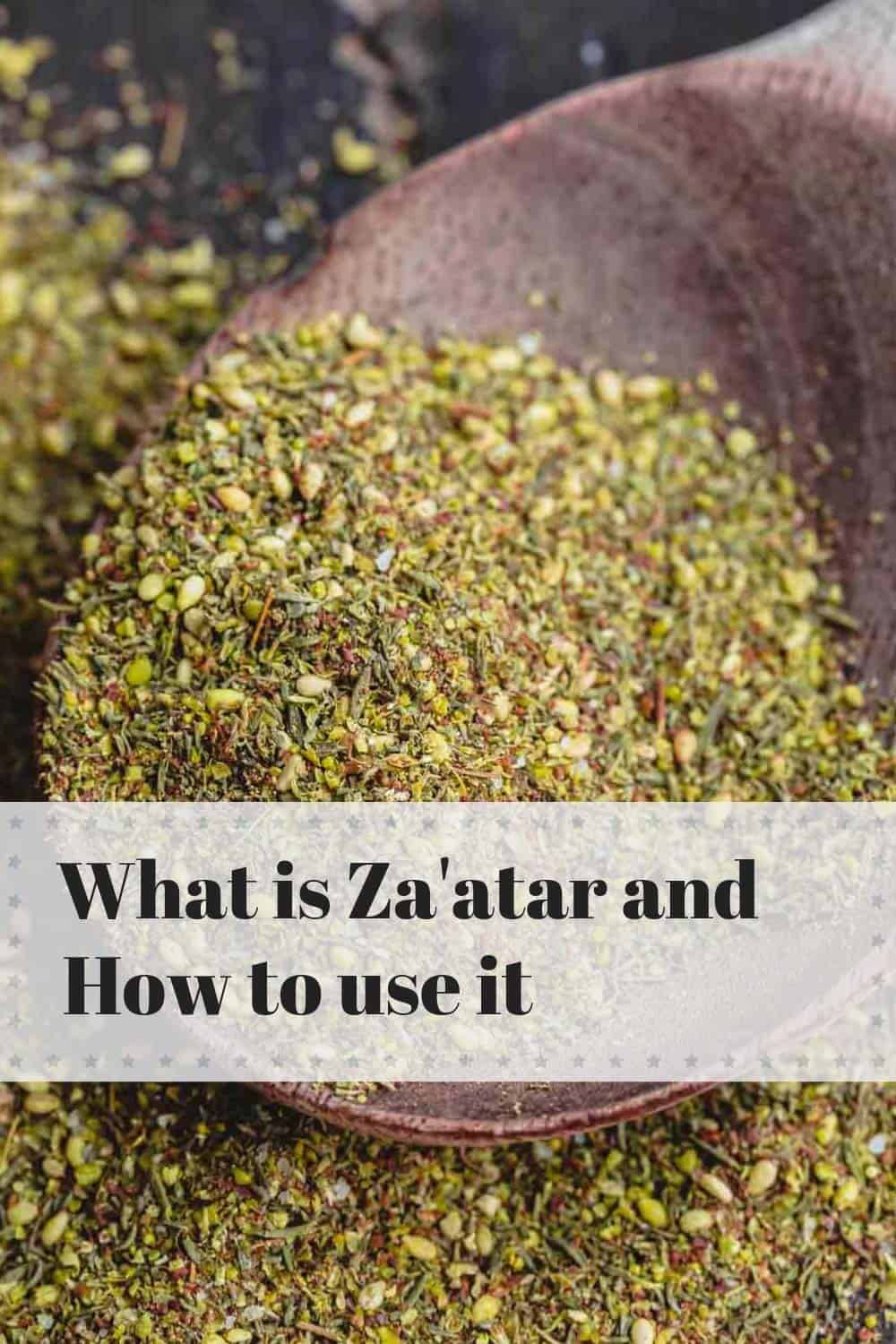
What Is Za’atar? A Seasoning I Always Keep on Hand
If there is one seasoning blend I absolutely cannot live without, it’s za’atar! Earthy herbs, tangy sumac, and nutty sesame seeds give this Middle Eastern pantry staple both bold flavor and a little texture. You’ll also see it spelled zaatar, without the apostrophe.
I use za’atar regularly, whether I’m seasoning sliced tomatoes for a snack, adding it to breakfast eggs, or roasting chicken for dinner. You don’t need an elaborate meal to enjoy it. A little olive oil, some bread for dipping, and a bowl of za’atar are a delicious place to start.
Over the years, I’ve tried more blends than I care to remember, and their flavor and texture can vary quite a bit. Some are more herbaceous, while others have a stronger tang from the sumac or more crunch from sesame seeds. Knowing what’s in the jar helps you choose a blend and put it to good use.
Below, you’ll find what to look for when buying za’atar, simple ways to cook with it, and 11 recipes to try, from breakfast and salads to chicken and fish.
Is Za’atar an Herb or a Spice Blend?
Both! Za’atar can refer to an aromatic herb as well as the seasoning blend made with it. One herb known by this name is Origanum syriacum, also called Syrian oregano.
When you see za’atar in my ingredient lists, I’m referring to the dried seasoning blend. Look for a mixture of herbs, sesame seeds, and sumac, usually with salt. A jar of dried thyme or oregano alone won’t give you the same tangy flavor and nutty texture.
What Does Za’atar Taste Like?
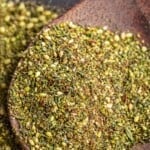
Za’atar is herbaceous, earthy, tangy, and nutty. The herbs give it a savory aroma, sumac adds a lemony tartness, and sesame seeds bring nuttiness and a gentle crunch.
Sumac’s tang is especially useful with richer foods: it adds brightness to olive oil, creamy dips, and roasted meats. The sesame seeds also give a sprinkle of za’atar more texture than you’d get from dried herbs alone.
What Is in Za’atar?
The ingredients and their proportions vary from blend to blend, but these are the main components to look for:
- Herbs: These form the aromatic base. You may see za’atar herb, wild thyme, oregano, or a combination listed on the label. The herb used helps determine how the finished blend smells and tastes.
- Sumac: A reddish spice made from dried, ground sumac berries, sumac supplies za’atar’s characteristic tang. It tastes lemony, though it contains no lemon. My guide to sumac explains more about its flavor and uses.
- Sesame seeds: These add texture and nuttiness. Toasted sesame seeds have a deeper, roasted flavor that complements the herbs.
- Salt: Many blends include salt, so check the label before adding more to your food.
Sumac and za’atar aren’t interchangeable: sumac is one ingredient in the blend. Using it alone gives you tartness without the herbs or sesame seeds.
How to Choose Za’atar
My best advice is to read the ingredient label. Look for clearly named herbs, sesame seeds, and sumac so you know what you’re buying. If you want the fruity, lemony flavor of sumac, check that it’s included rather than relying on the blend’s color.
Once you open the jar, take a moment to smell and taste a small pinch. Is it especially tangy? More herbaceous? Quite salty? That gives you a useful starting point before you sprinkle it over tomatoes or mix it with olive oil.
There’s room for variation here. Different proportions of herbs, sumac, and sesame seeds change the color and texture, so a greener blend isn’t automatically a better one.
Where to Buy Za’atar
Look for za’atar in Middle Eastern and Mediterranean grocery stores, specialty spice shops, or the spice aisle of a well-stocked supermarket.
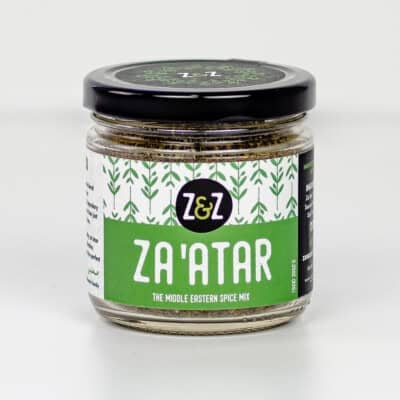
At The Mediterranean Dish shop, we’ve partnered with Z&Z to offer a za’atar blend made with wild thyme, toasted sesame seeds, sumac, salt, and sunflower oil. The za’atar is harvested in Palestine, and the blend is made in D.C.
How to Store Za’atar
Keep za’atar tightly sealed in a cool, dry place away from heat and direct sunlight. A cupboard away from the stove is a better spot than a sunny countertop or a shelf directly above the burners.
Close the jar after each use to help preserve the blend’s aroma and flavor, and follow any storage instructions on the package.
How to Use Za’atar
You can cook with za’atar or sprinkle it over food just before serving. I use it both ways! It seasons chicken and vegetables before they go into the oven, but it’s just as useful for finishing eggs, salads, and dips.
If you’re opening your first jar, start with something simple so you can taste the blend:
- Serve with bread and olive oil. Dip a piece of bread into olive oil, then into za’atar. Or stir the seasoning into a small bowl of olive oil and scoop it up with bread.
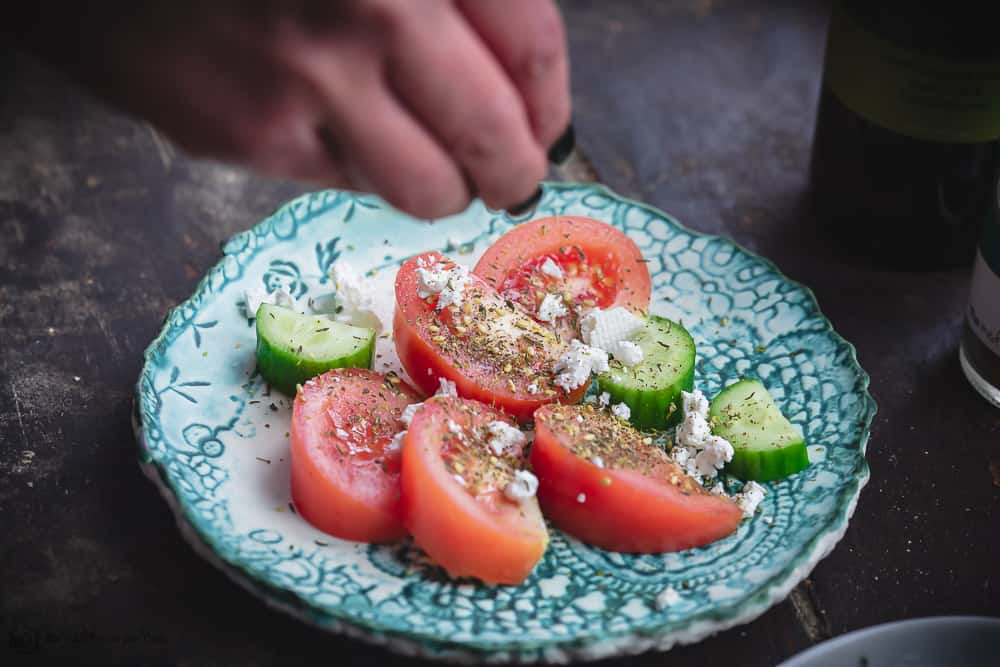
- Sprinkle over tomatoes, cucumbers, or avocado. Add a drizzle of olive oil, then the za’atar. Taste before adding salt, especially if your blend already contains it.
- Add to breakfast eggs. Sprinkle a little over cooked eggs, or use it to season the vegetables underneath baked eggs.
- Finish a creamy dip. A sprinkle over hummus or labneh, a thick strained yogurt, adds herbs, tang, and sesame crunch. Finish with a little olive oil and serve with vegetables or bread.
- Stir into salad dressing. Combine it with olive oil, lemon juice, and garlic, as I do in my avocado salad below. The sumac adds another layer of tartness alongside the lemon.
- Use in a cooked dish. Add it to pasta, season chicken before roasting, or divide it between fish and vegetables for a sheet pan dinner.
For a finishing sprinkle, start with a little and taste as you go. For baking or roasting, follow the amounts and placement in the linked dishes below: za’atar mixed into a bread topping behaves differently from a dry sprinkle added at the table.
What Can I Substitute for Za’atar?
The best substitute depends on what you’re making. Dried oregano works in my breakfast pita pizza and avocado salad when you want an herbaceous seasoning, though it won’t provide za’atar’s sumac tang or sesame crunch.
For dishes where za’atar is the main flavor, such as manaqish or za’atar bread rolls, I recommend using the blend. Replacing it with a single dried herb would change much of what makes those breads distinctive.
Sumac alone isn’t a direct substitute either. It supplies tartness, but you’d still be missing the herbs and sesame seeds.

11 Za’atar Recipes to Try
For a simple place to start, choose the breakfast pita pizza or avocado salad. When you have time to bake, manaqish and soft za’atar rolls let the seasoning take center stage. And for dinner, try it with garlicky spinach pasta, roasted chicken, or salmon and vegetables.
Breads and Breakfast
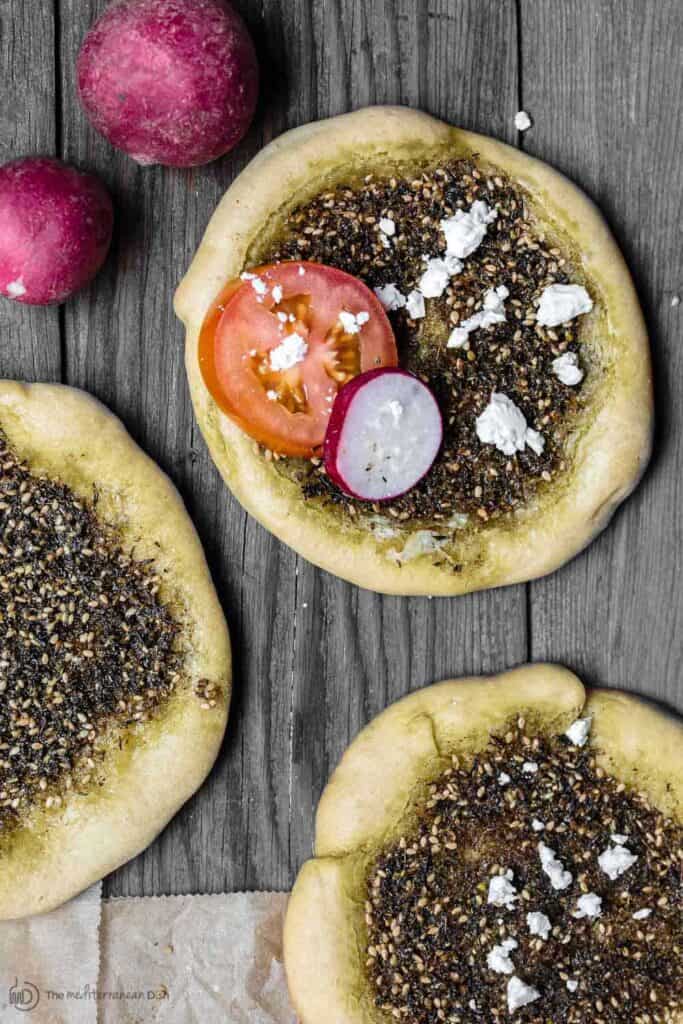
1. Za’atar Manaqish
My mother-in-law first introduced me to making these savory Levantine flatbreads. A mixture of za’atar and olive oil settles into little fingertip indentations in the dough as it bakes. Serve them warm with labneh or feta, olives, and sliced vegetables. Allow time for the two dough rises before baking.
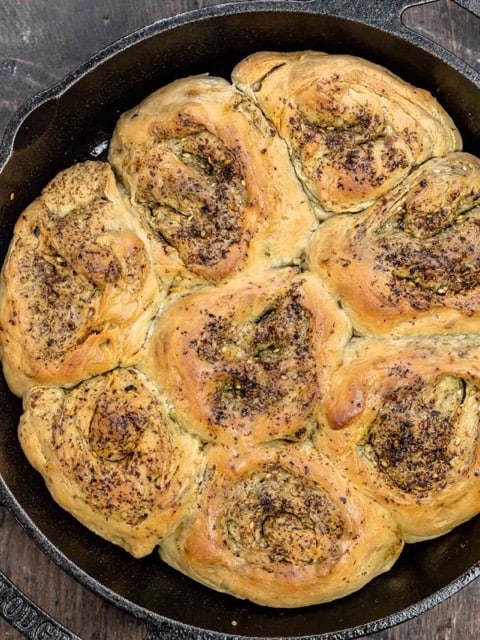
2. Za’atar Bread Rolls
These soft, spiraled rolls come from my friend Georgina Hayden’s cookbook, Nistisima. Za’atar fills the layers, along with a little Aleppo pepper, a gently spicy pepper with a fruity flavor. Baked together in a skillet, they’re lovely with soup or as a savory breakfast. Save them for a day when you have time for the dough to rise twice.

3. Breakfast Pita Pizza with Za’atar
Store-bought pita makes a crisp base for melted mozzarella, za’atar, shallot, tomato, and grated hard-boiled egg. This is a useful choice when you already have cooked eggs in the fridge and want a savory breakfast or quick lunch without making dough.

4. Sheet Pan Eggs and Vegetables
Bell peppers and red onion roast with za’atar, cumin, and Aleppo pepper before the eggs join them on the pan. Finish with fresh tomatoes, parsley, and feta, and bring bread to the table for scooping everything up. It’s an easy way to cook several eggs together without standing over a skillet.
Salads and Sides
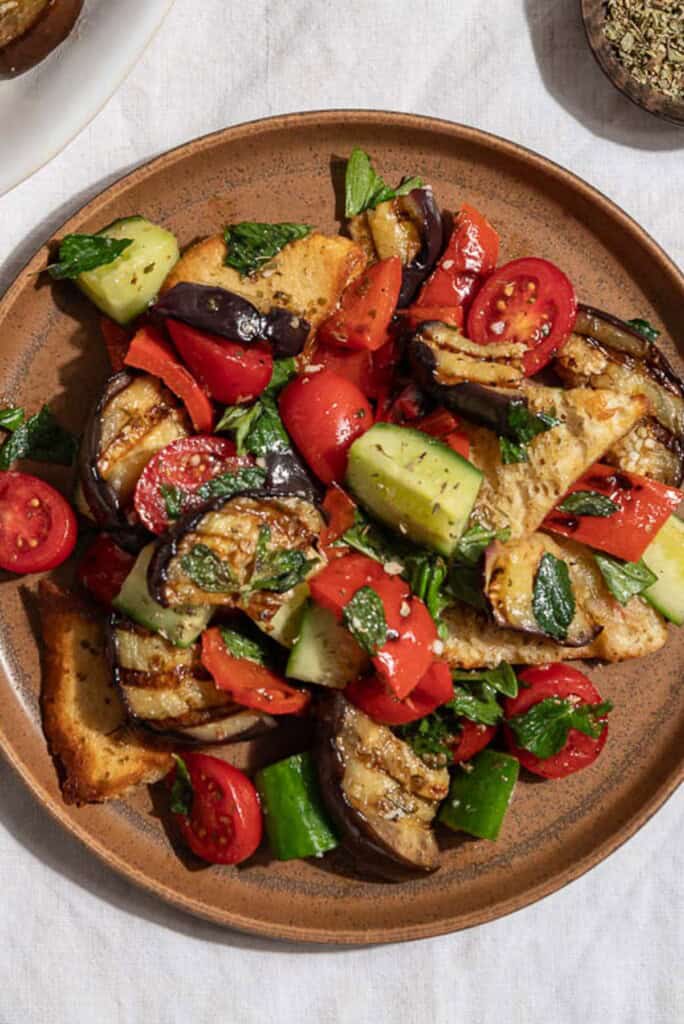
5. Grilled Eggplant Salad with Za’atar Pita Crisps
Tender grilled eggplant and red peppers meet fresh tomatoes, cucumbers, herbs, and a lemon dressing. The za’atar pita crisps add a savory crunch alongside the soft vegetables. Serve as a vegetable-filled main or a side for a grilled dinner.
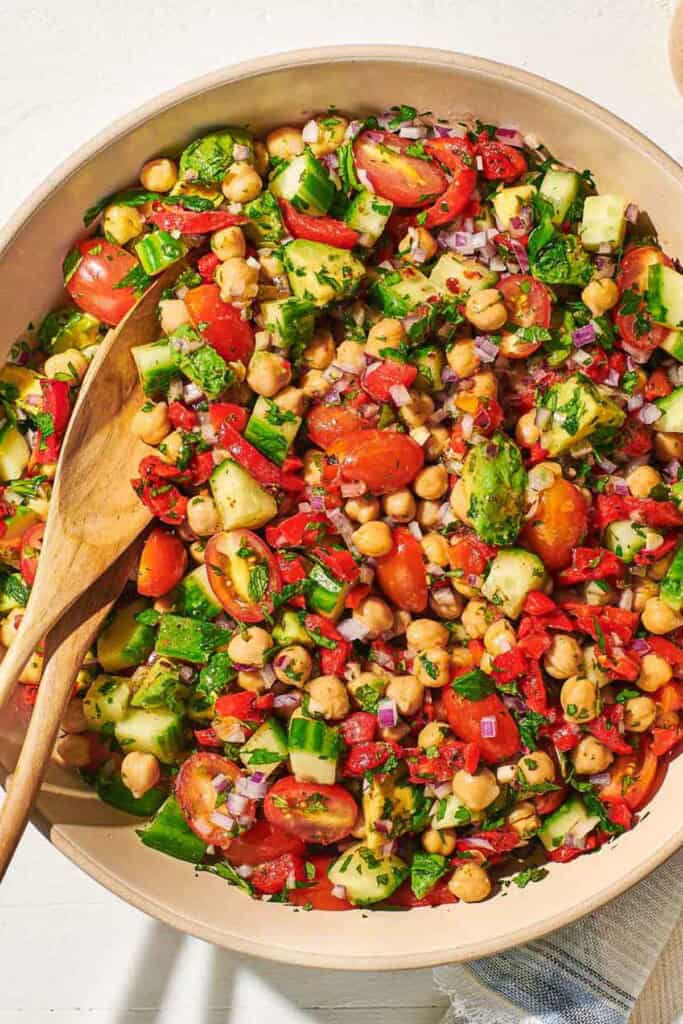
6. Mediterranean Chickpea Salad with Za’atar and Eggplant
Chickpeas, tomatoes, cucumbers, dill, and parsley get a tangy garlic-lime dressing and a sprinkle of za’atar. Add fried or roasted eggplant for creamy texture and browned edges, or leave it out when you want a simpler chickpea salad. The eggplant is optional; there’s plenty of flavor either way.
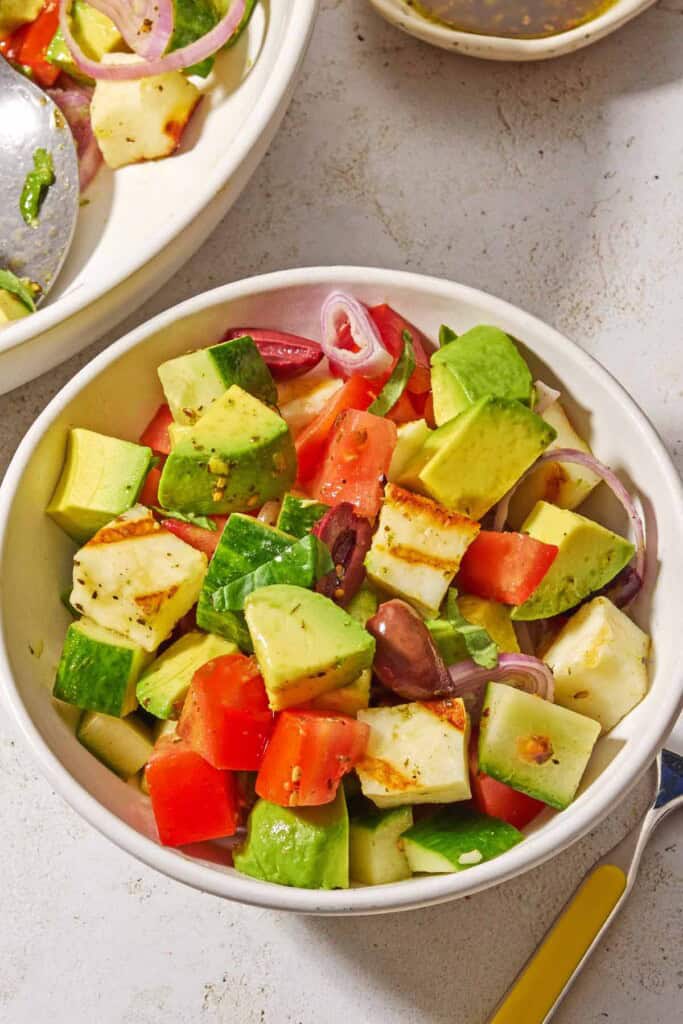
7. Mediterranean Avocado Salad
Za’atar goes into the lemon-garlic dressing, seasoning the creamy avocado, tomatoes, and cucumber throughout. Add golden grilled halloumi, a firm cheese that holds its shape when heated, for a salty contrast. Or use feta when you’d rather skip cooking the cheese.
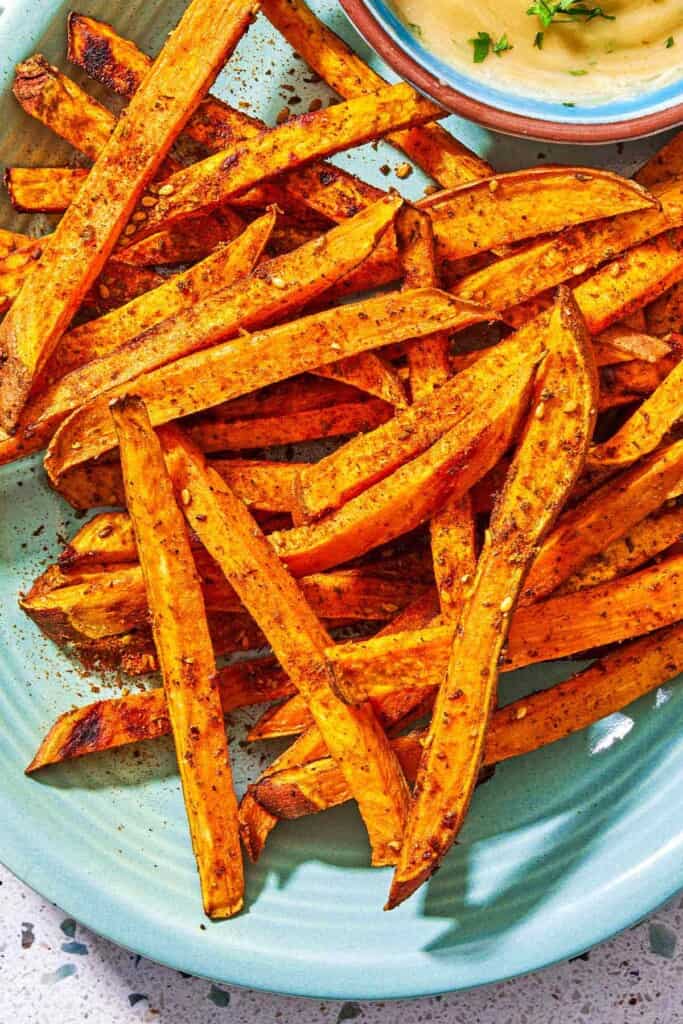
8. Baked Sweet Potato Fries with Za’atar
Za’atar, sweet paprika, and a little cayenne balance the sweet potatoes’ natural sweetness. These oven-baked fries are especially good with creamy tahini sauce for dipping. Give the potatoes room on the baking sheets so they roast rather than steam.
Pasta, Chicken, and Fish
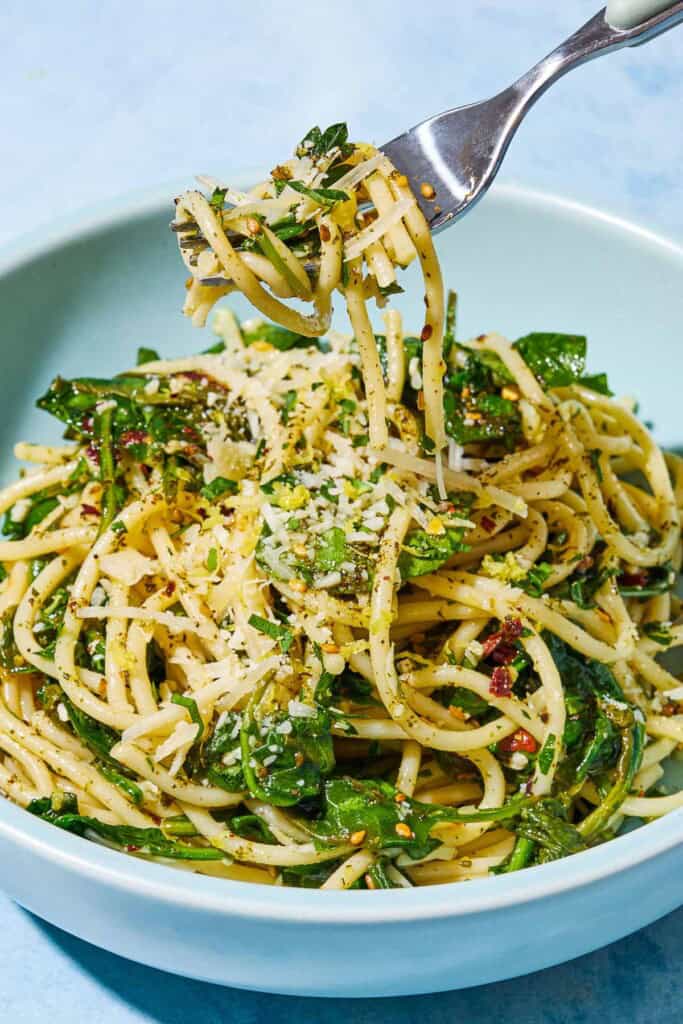
9. Spinach Pasta with Za’atar, Lemon, and Parsley
Spaghetti and baby spinach are tossed with garlic, olive oil, and starchy pasta water to make a silky sauce. Za’atar adds earthy, tangy flavor, while Parmesan, lemon, and parsley finish the dish. It’s a delicious way to use the blend beyond bread and roasted meats.
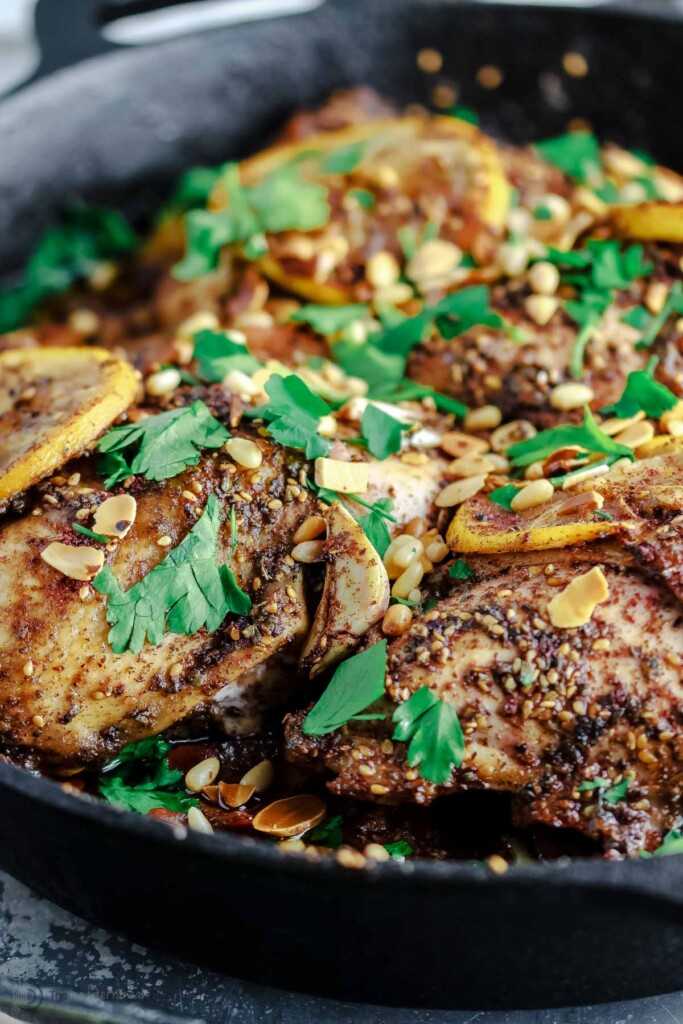
10. Za’atar Roasted Chicken Breast
Bone-in, skin-on chicken breasts marinate with lemon, garlic, sumac, cinnamon, and allspice before roasting. Za’atar seasons the chicken before cooking and again at the end, with toasted almonds, pine nuts, and parsley. Plan for the required four-hour marinade; this is a dinner to start ahead.
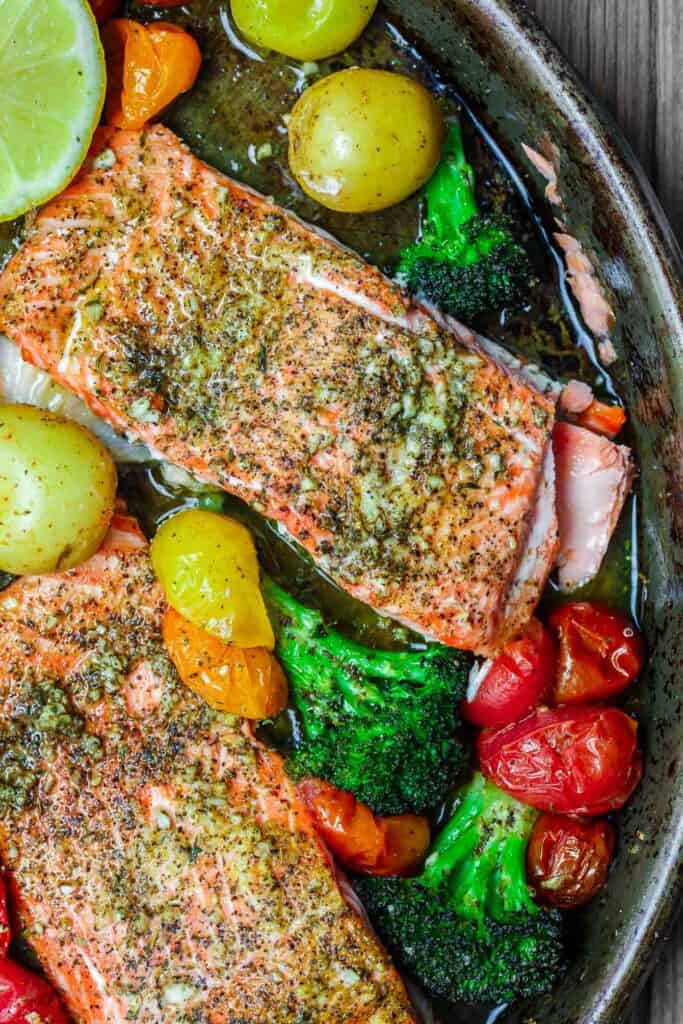
11. Za’atar Garlic Salmon and Vegetables
Salmon, baby potatoes, broccoli, and tomatoes share a sheet pan, with garlic, za’atar, and coriander seasoning both the fish and vegetables. Lemon juice and another sprinkle of za’atar finish the dish. Use very small potatoes as directed, or give larger pieces a head start so they’re tender when the salmon is ready.
More Mediterranean Spices and Seasonings to Explore
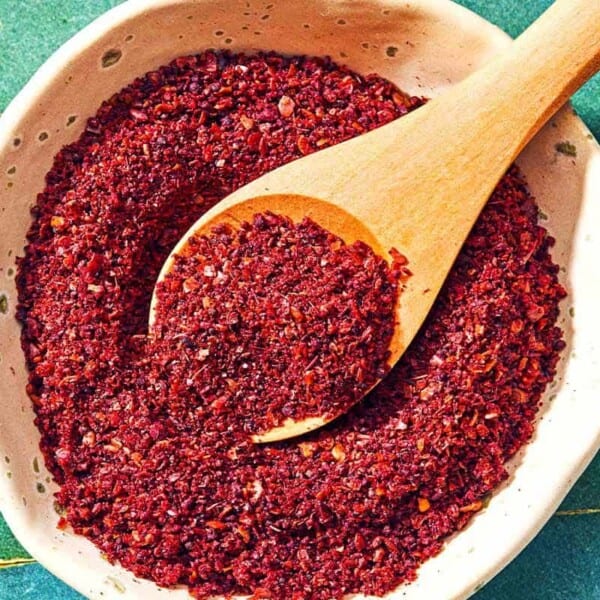
Try Our Favorite Za’atar!
Jazz up your dinner with this aromatic, tart, and savory spice blend.











I love the taste and fragrance 👍
When I found you a number of years ago you had just started creating your dishes online. You’ve enhanced my dishes and made me a better more adventurous cook. My family love coming to dinner and taking away any leftovers {actually had to make extra for this;) as not much DIDN’T get eaten! Sadly I can’t shop as I’m in Scotland but nowadays it’s easier to find some ingredients xx
What a sweet message, Helen! Thank you!
I also wanted to say, in addition to the wonderful taste, I love how our house smells when I cook with za’atar.
Hi Suzy, thanks for the information on Za’atar. I love za’atar but haven’t had any in a long time. We recently went to a large International Market and picked up some. za’atar from Jenin. All good ingredients: thyme, sesame seeds, sumac, salt, and also olive oil. Is added oil usual, or is it it uniquely Palestinian?
Hi, Suzy
Have you got a recipe for Baharat?
Thanks,
Leslie
Hi, Leslie. We don’t quite yet, but appreciate the feedback!!
Morning tell me is this zaatar food cooked before consumption?
And tell you can put it in bread for eat it?
Or you can mix it with food .
Inform me because for it is my first time to is it.I am in Africa.
Hi, Moussa. Za’atar is a flavorful mixture of dried seeds, herbs and spices. It has many uses. You can mix with with foods, and it’s also great for sprinkling on top as a finish. Hope you give it a try!!
Absolutely LOVE your philosophy!
Can one ad za’atar to the gravy along with Italian seasonings to make Italian beef sandwiches awesome or put in the Giardinera relish to marinate beforehand
Wheres the recipe?
Hi, Adeel. If you scroll towards the end of the article, you’ll find a section called “How to use Za’atar: 11 BEST Za’atar Recipes” with the links to our favorite Za’atar recipes. Hope you give them all a try!
I’m excited to add new spices to my cooking , and new recipes to expand my
Cooking prowess! My family has always enjoyed Mediterranean leaning recipes, but your website has now opened a whole new avenue of cooking for me. Have added Z’Atar to my spice drawer and next up is Sumac. The sheet pan salmon was a big hit. Thank you, look forward to more great recipes!
All the spices I have used with Suzy’s recipes are great. Even my husband likes the food I have made so far, because of the spices.
Thanks for teaching me about Mediterranean cooking.
You are very welcome, Anna! So honored to have you as part of our community!! Thank you for your support!
Hellie Josha
Thursday 18-01-2024
Can you share your zaatar recipe’s.
I’m from Papua New Guinea and where do I buy this zaatar.
Hello! There are many great za’atar recipes linked right in this post. You can also search for them and more by typing za’atar in the search bar on the site.
Are you able to buy these herbs in England because I haven’t heard of them
Hi Jean, Devin here from the Mediterranean Dish team. We’re still growing our shop – we don’t offer international shipping quite yet but we’re working on it! In the meantime, you may be able to order za’atar online or find it in Middle Eastern markets or specialty grocers in England (depending on where you live). Hope this helps!